
 EN
EN
 English
 Español
 عربى
عربى

What Are the Benefits of Using a Thermal Mat for Outdoor Activities?
Feb 10,2026
Venturing into the great outdoors, whether for a serene camping trip, an exhilarating hike, or a day of winter fishing, brings us closer to nature. However, it also exposes us to the elements, particularly the cold ground which can rapidly sap body heat, leading to discomfort and even risk. This is where a simple yet transformative piece of gear comes into play: the thermal mat. More than just a pad to sit on, a high-quality thermal mat is an essential barrier that provides insulation, comfort, and protection. In this comprehensive guide, we will delve into the multifaceted benefits of using a thermal mat, exploring how it enhances safety, comfort, and enjoyment across various outdoor pursuits. We'll also address key considerations, from material technology to specific use-case applications, ensuring you can make an informed decision for your next adventure.
Content
- 1 Core Advantages: Why a Thermal Mat is Non-Negotiable
- 2 Addressing User Queries: Top Thermal Mat Considerations
- 3 FAQs on Thermal Mats
- 3.1 What is the ideal R-value for a thermal mat in freezing conditions?
- 3.2 Can I use a thermal mat for activities other than sleeping, like hiking breaks or outdoor sports?
- 3.3
- 3.4 How do I care for and maintain my thermal mat to ensure longevity?
- 3.5 Are more expensive thermal mats with reflective technology worth it?
Core Advantages: Why a Thermal Mat is Non-Negotiable
At its essence, a thermal mat serves as a critical insulating layer between you and the ground. The ground is a massive heat sink; without proper insulation, conductive heat loss can occur swiftly, making you feel chilled even if the air temperature is mild. Modern thermal mats are engineered using advanced materials like closed-cell foam (CCF) or inflatable designs with reflective internal layers (like Thermal Radiant Barrier or TRB technology) that trap body heat. The primary benefit is thermal efficiency, measured by an R-value—a standard rating for insulating power. A higher R-value indicates better insulation, crucial for cold-weather camping. Beyond warmth, these mats provide vital comfort by cushioning against rough, uneven terrain, reducing pressure points on hips and shoulders for a restful sleep. They also offer a dry, clean surface, acting as a moisture barrier from damp grass, snow, or mud, protecting your gear and clothing. This combination of insulation, comfort, and protection fundamentally elevates any outdoor experience, from a brief picnic to a multi-day expedition.
- Superior Insulation: High R-value materials prevent conductive heat loss to cold ground, keeping you warm in low temperatures.
- Enhanced Comfort: Cushioning layers alleviate pressure on joints and bones, significantly improving sleep quality while camping.
- Moisture and Dirt Barrier: Creates a mandatory protective layer against dampness, mud, and debris, keeping you and your gear dry.
- Versatility: Useful for a wide range of activities including sitting, sleeping, or as a protective layer for gear.
- Portability and Durability: Modern mats are designed to be lightweight, packable, and resistant to punctures and abrasions.
Addressing User Queries: Top Thermal Mat Considerations
When selecting a thermal mat, users often have specific concerns based on their intended activity, budget, and personal comfort needs. Understanding key differentiators like R-value, weight, packed size, and durability is crucial. For instance, a backpacker prioritizing weight might choose an ultra-lightweight inflatable mat with a moderate R-value, while a car camper focused on maximum comfort in winter might opt for a thick, high-R-value self-inflating mat. Durability is another major factor; mats used for rugged activities like thermal mat for winter camping need to withstand rough, frozen ground. Noise is a lesser-known but important consideration—some materials can be crinkly and disruptive. By breaking down these attributes, users can match the mat's specifications to their specific outdoor scenarios, ensuring they invest in gear that delivers optimal performance where it matters most.
- R-Value for Climate: Choose an R-value of 3+ for summer, 3-5 for three-season, and 5+ for thermal mat for winter camping.
- Weight vs. Comfort Trade-off: Inflatable mats offer high comfort/weight ratio; closed-cell foam mats are lighter, cheaper, and more durable.
- Packed Size: Inflatable mats pack smaller; foam mats are bulky but can be strapped externally.
- Material and Durability: 30D-75D nylon fabrics and robust TPU coatings increase longevity for rough use.
- Ease of Use: Self-inflating mats offer convenience; manual inflation requires a pump or lung power.
Comparing Thermal Mat Types for Different Activities
Not all thermal mats are created equal, and the "best" choice is entirely dependent on the primary activity. The needs of an alpine mountaineer differ vastly from those of a family enjoying a sports game. For sleeping applications, like best sleeping pad for cold weather, the insulation (R-value) and comfort thickness are paramount. For dynamic or seated activities, factors like portability, set-up speed, and abrasion resistance take precedence. A portable heat insulating seat pad, for example, is typically a simple, foldable closed-cell foam pad that can be whipped out in seconds. The following table breaks down the ideal mat characteristics for four common outdoor use cases, helping you align your purchase with your most frequent adventures.
| Activity | Recommended Mat Type | Key Features to Prioritize | Ideal R-Value Range |
| Backpacking & Hiking | Ultralight Inflatable or Thin CCF | Lightweight, Small Packed Size, Balance of R-value & Weight | 2.5 - 4.5 |
| Winter Camping / Mountaineering | High-R Inflatable or CCF Stack | Maximum Insulation (High R-value), Durability, Reliability | 5.0+ |
| Car Camping & Basecamp | Thick Self-Inflating or Air Mat | Superior Comfort (Thickness), High R-value, Less concern for weight/size | 4.0 - 7.0+ |
| Day Trips, Sports, Fishing (portable heat insulating seat pad) | Foldable CCF Pad or Inflatable Seat | Portability, Quick Deployment, Water Resistance, Abrasion Resistance | 1.0 - 2.5 (Primarily for ground dampness) |
Material Technology: From Basic Foam to Advanced Barriers
The evolution of thermal mat materials is a story of balancing insulation, weight, and comfort. The most basic and reliable material is Closed-Cell Foam (CCF), like EvaZote or Volara. It's lightweight, inexpensive, virtually indestructible, and provides consistent insulation because it cannot absorb water. Its main drawbacks are bulk and limited cushioning. On the other end are Inflatable Air Mats, which use lightweight nylon or polyester shells. Their true performance lies internally: many incorporate thermal reflective material for camping mats, such as metallicized film (often called a Thermal Radiant Barrier), which reflects body heat back to the sleeper. Some even use synthetic insulation like PrimaLoft® layered inside the air chambers. Self-Inflating Mats cleverly combine an open-cell foam core inside an airtight shell; when the valve is opened, the foam expands and draws in air, offering an excellent balance of comfort, insulation, and convenience. Understanding these technologies demystifies product specifications and highlights why a camping mat with high R-value often commands a higher price.
- Closed-Cell Foam (CCF): Offers reliable, fail-safe insulation that is water-resistant and durable. Best for lightweight thermal insulation pad needs where bulk is not an issue.
- Inflatable Air Mats: Provide superior comfort and packability. Their insulating power is boosted by internal thermal reflective material for camping mats.
- Self-Inflating Mats: Merge foam insulation with air comfort. They offer good R-values and comfort but are heavier and bulkier than pure air mats.
- Hybrid Designs: Some mats combine a CCF base with an inflatable top layer, aiming to maximize both insulation and comfort for camping mat with high R-value scenarios.
- Fabric and Coating: Ripstop nylon with polyurethane (PU) or thermoplastic polyurethane (TPU) coatings determine durability, weight, and water resistance.
FAQs on Thermal Mats
What is the ideal R-value for a thermal mat in freezing conditions?
For freezing conditions (32°F / 0°C and below), a minimum R-value of 5.0 is generally recommended. For truly cold winter camping or alpine conditions, experienced users and experts often advise using a mat with an R-value of 6.0 or higher. It's critical to understand that R-values are additive. Many seasoned winter campers use a system: they pair a high-R inflatable mat (R-value 4-5) with a closed-cell foam pad (R-value 2) underneath. This strategy not only boosts the total insulation (R-value 6-7) to combat the intense cold sink of snow and frozen ground but also provides a vital backup for puncture protection. The best sleeping pad for cold weather is often a combination, ensuring that conductive heat loss is minimized for a safe and warm night's sleep.
Can I use a thermal mat for activities other than sleeping, like hiking breaks or outdoor sports?
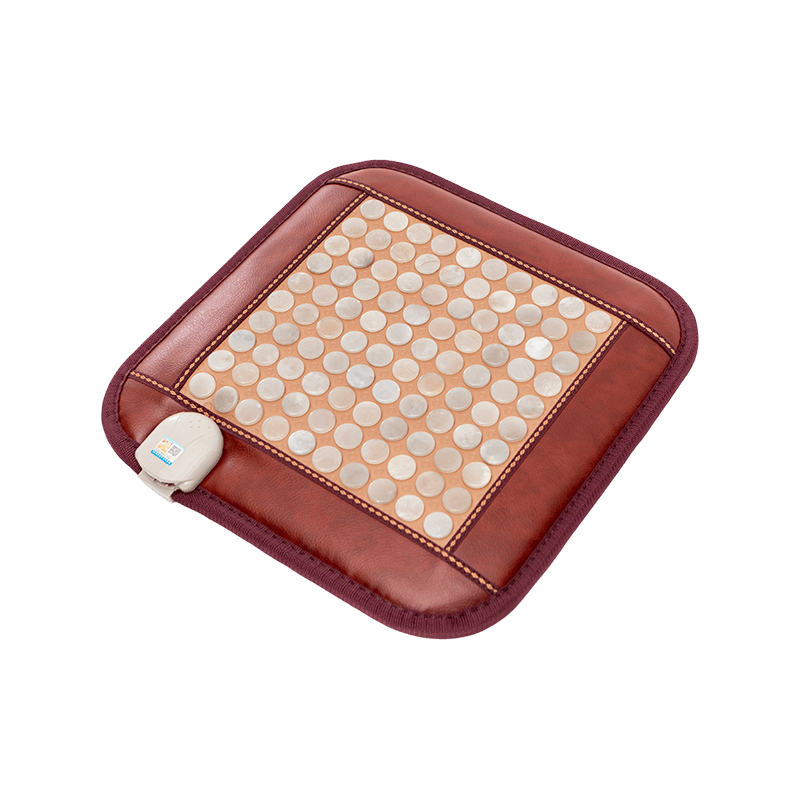
Absolutely. This is one of the most versatile uses for a thermal mat, particularly a simple lightweight thermal insulation pad made of closed-cell foam. Often marketed as a sit pad or portable heat insulating seat pad, these are invaluable for day hikes, fishing, soccer games, or picnics. They provide an instant dry, insulated seat on damp logs, cold rocks, or snowy surfaces. Their benefits are immediate: they prevent moisture from seeping into your clothing, provide a clean surface, and most importantly, stop the rapid heat loss that occurs when sitting directly on cold ground. Their lightweight and compact design (often folding or rolling into a small square) makes them an easy addition to any daypack, extending comfort far beyond the campsite.
How do I care for and maintain my thermal mat to ensure longevity?
Proper care significantly extends the life of your investment. For inflatable mats, always store them loosely rolled or flat in a cool, dry place, not tightly stuffed in their sack long-term, as this can stress the internal materials. Before storage, ensure they are completely dry and aired out to prevent mold. Clean the surface with a damp cloth and mild soap; never use harsh detergents or machine wash. For repairs, always carry the manufacturer's repair kit. Punctures in inflatable mats are common but easily fixed with adhesive patches. For foam mats, simply wipe them down. Avoid prolonged direct sunlight (UV degradation) and keep them away from open flames or hot embers. A well-maintained thermal mat, especially one used for demanding activities like thermal mat for winter camping, will provide reliable service for many seasons.
Are more expensive thermal mats with reflective technology worth it?
If you regularly camp in cool to cold conditions, the investment in a mat with integrated thermal reflective material for camping mats is often justified. This technology, which typically involves a thin, metallic layer bonded to the interior fabric, works by reflecting your radiant body heat back towards you rather than letting it dissipate into the ground. This can significantly boost the mat's effective warmth without adding substantial weight or thickness. In practical terms, a reflective mat with an R-value of 3 might perform as warmly as a non-reflective mat with an R-value of 4. This efficiency makes it a cornerstone of the best sleeping pad for cold weather designs. For summer or casual three-season use, the benefit may be less critical, but for anyone seeking a camping mat with high R-value and optimized weight, reflective technology is a key performance feature.
 View More
- +86 188 5837 6736
- [email protected]
- 576 Yunsi West Road, Dayun Town, Jiashan County, Jiaxing City, Zhejiang Province
- Temperature Control Energy Pad
- Temperature-Controlled Energy Cushion
- Temperature Control Energy Belt
- Temperature Control Energy Abdominal Pad
- Temperature-Controlled Energy-Saving Cervical Pillow
- Temperature-Controlled Energy-Saving Lumbar Pillow
- Temperature Control Energy Spinal Pillow
- Electric Cloak (Shoulder And Neck Vest)
- Temperature-Controlled Energy Knee Pads
- Temperature-Controlled Energy-Saving Foot Warmer
- Temperature Control Energy Mattress
- Temperature Control Mattress
Copyright © Jiaxing Fuqiduo Thermal Bed Co., Ltd. All rights reserved.
Wholesale Therapeutic Mattresses Company
 The information provided on this website is intended for use only in countries and jurisdictions outside of the People's Republic of China.