
 EN
EN
 English
 Español
 عربى
عربى
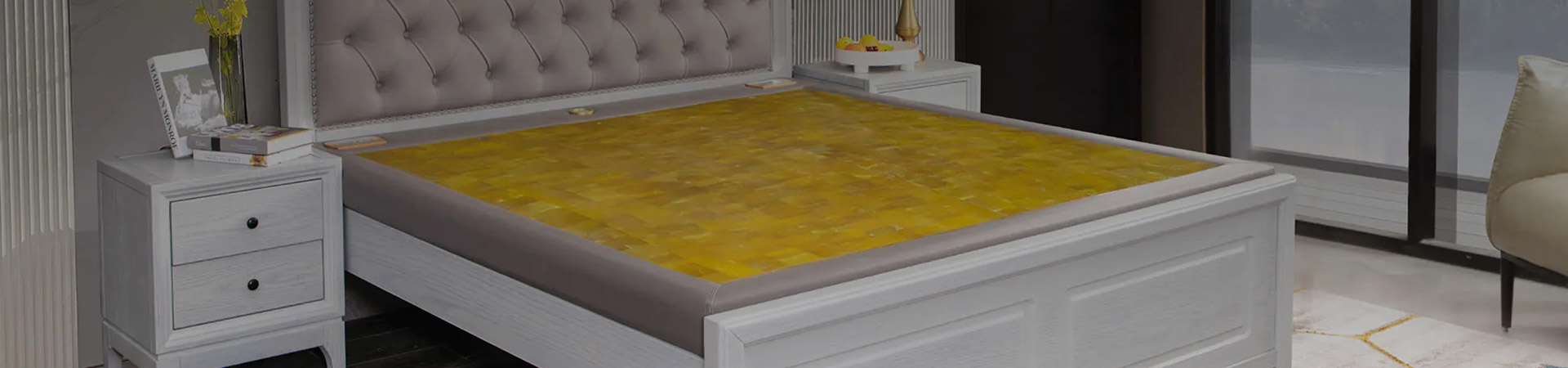
- Temperature Control Energy Pad
- Temperature-Controlled Energy Cushion
- Temperature Control Energy Belt
- Temperature Control Energy Abdominal Pad
- Temperature-Controlled Energy-Saving Cervical Pillow
- Temperature-Controlled Energy-Saving Lumbar Pillow
- Temperature Control Energy Spinal Pillow
- Electric Cloak (Shoulder And Neck Vest)
- Temperature-Controlled Energy Knee Pads
- Temperature-Controlled Energy-Saving Foot Warmer
- Temperature Control Energy Mattress
- Temperature Control Mattress
- Temperature Control Bead Mattress
- Thermal Vest
- Graphene Far-infrared Neck Guard
- Shubeibao
- Jade Board Bed Mattress
- Jade Bead Bed Mattress


Custom Temperature-Controlled Energy-Saving Cervical Pillow Manufacturers
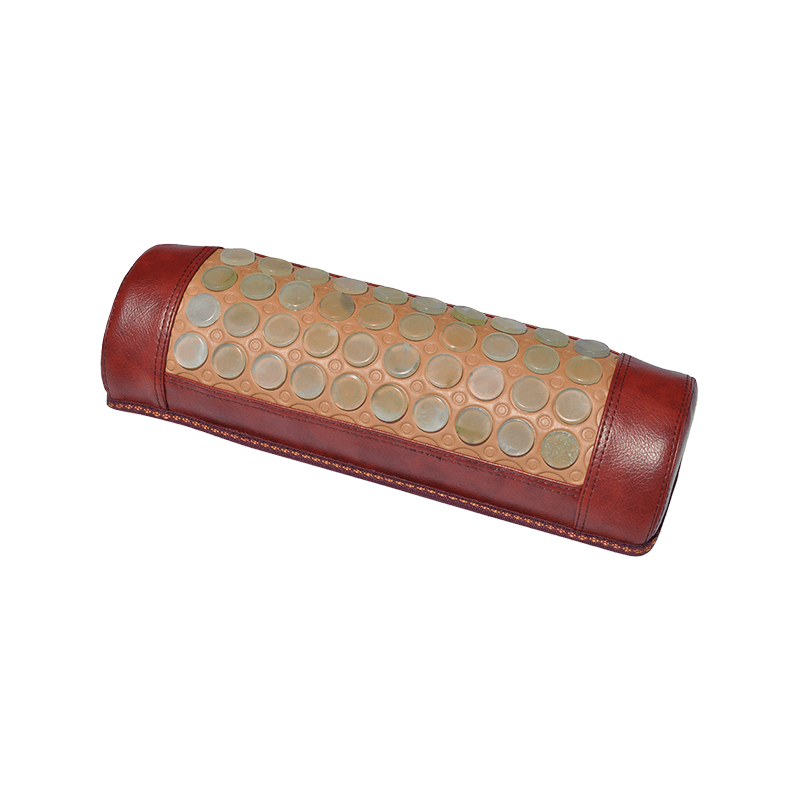
![Heated Tourmaline Therapy Nursing Pillow [Spare]](/fuqiduothermalcare/2025/06/26/_mg_5997_1-2.png "Heated Tourmaline Therapy Nursing Pillow [Spare]")
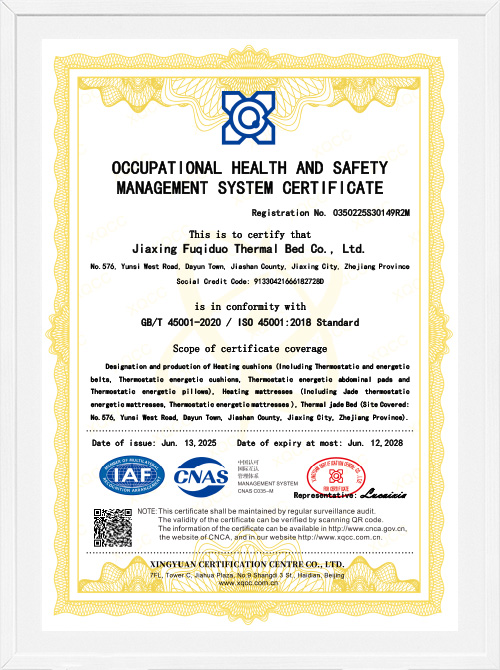
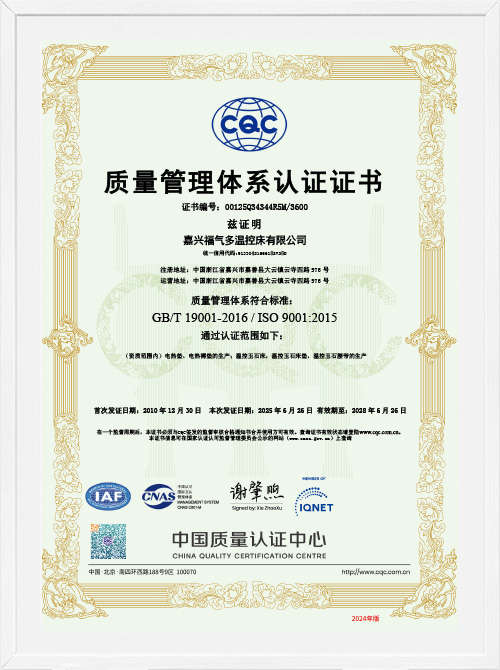
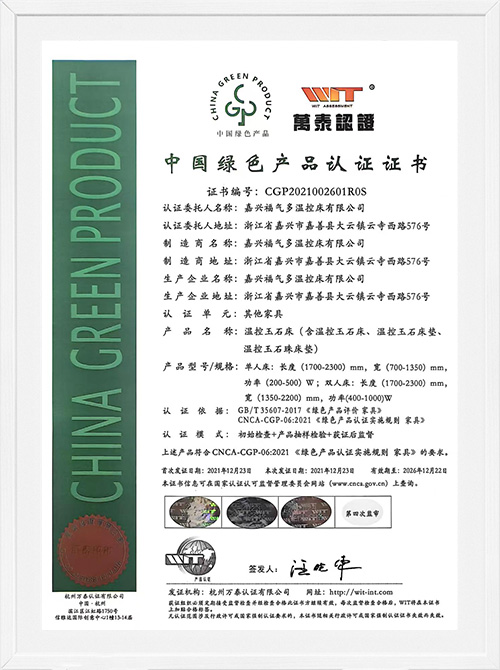
A Zhejiang-based national high-tech enterprise specializing in health bedding solutions. Certified with ISO 9001, China Compulsory Certification, and Zhejiang's "PinZ" Standard for quality excellence. We offer wholesale Heated Cervical Pillow for sale.
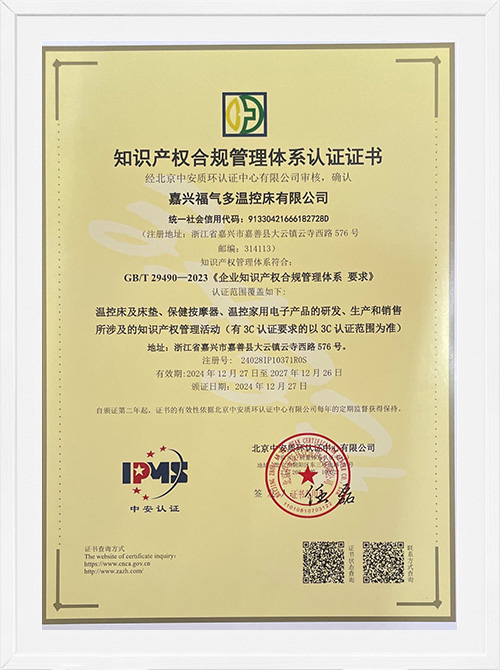
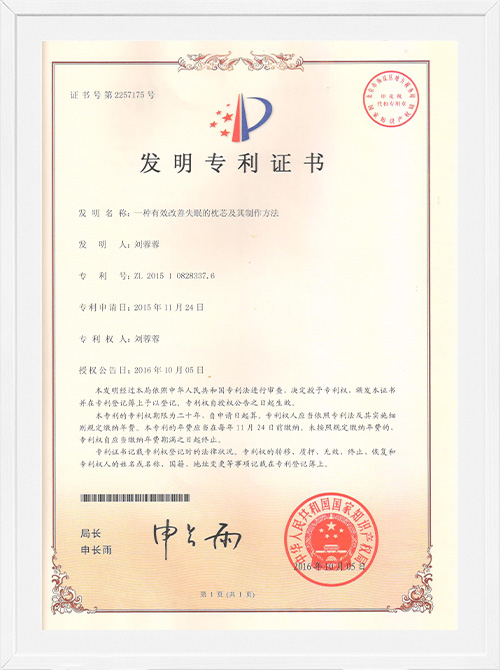
Fuqiduo specializes in thermo-regulated jade mattresses and beaded mats combining premium Xiuyan Jade with smart technology. With over 80 patents including ZL202020088312.3, we're recognized as a Zhejiang Tech SME and AAA Credit Enterprise.
Our social commitment includes the Fuqiduo Love School in Xiuyan County, reflecting our dedication to innovating wellness solutions through quality craftsmanship.
We not only pioneer innovative wellness products but also actively contributes to social welfare. Our philanthropic initiative - the "Fuqiduo Love School" in Xiuyan County has been honored by local education authorities for its meaningful impact on community development.


-
Jul 28,2026
Jade Heating Mattress: How Infrared Heat Therapy Mattresses Work
Jade & Infrared Heat Therapy How Jade Heating Mattresses and Infrared Heating Mattresses Work Jade heating mattresses combine natural jade stones with far infrared heating elements and a temperature controller, and knowing how each part works makes it much easier to judge w...
-
Jul 21,2026
Heated Massage Mats: How They Work & How to Choose One
Heat Therapy & Massage How Heated Massage Mats Work and How to Choose One for Back Pain or Muscle Relaxation A heated massage mat combines localized heat with mechanical or vibration massage, and understanding how each component works makes it much easier to pick a mat suit...
-
Jul 14,2026
How Heated Massage Devices Work: Benefits, Types & Buying Guide
How Does a Heated Massage Device Work A heated massage device combines two separate mechanisms working together: a heating element that raises the temperature of the skin and underlying tissue, and a massage mechanism — kneading nodes, vibration motors, or air compression cells...
How does the temperature-controlled energy-saving cervical pillow achieve its energy-saving feature?
In the pursuit of restorative sleep and effective pain relief, innovative products continually emerge to address common issues like neck pain and poor sleep quality. Among these, the temperature-controlled energy-saving cervical pillow represents a significant advancement, merging therapeutic benefits with modern efficiency. A common question among discerning consumers is how such a device, which provides consistent heating or cooling, can also claim to be energy-saving.
The core function of any cervical pillow is to provide ergonomic support to the neck and head, promoting proper spinal alignment and alleviating pressure points. The integration of temperature control—often found in a heated massage neck pillow—adds a layer of therapeutic relief by soothing tense muscles and improving local circulation. However, the addition of electronic components naturally leads to concerns about energy consumption. The innovation lies not in removing these features, but in optimizing their operation through intelligent design, high-quality materials, and smart technology. This efficiency is a hallmark of products developed by specialized manufacturers, such as a Zhejiang-based national high-tech enterprise specializing in health bedding solutions. This company, certified with ISO 9001, China Compulsory Certification, and Zhejiang’s “PinZ” Standard for quality excellence, embodies the commitment to innovating wellness solutions through quality craftsmanship. With a portfolio of over 80 patents and a dedication to social responsibility, their approach to product development illustrates the technical excellence behind such energy-efficient designs.
The fundamental technology behind temperature regulation
To understand how energy is saved, one must first understand how temperature is managed. A modern heated cervical pillow does not simply generate heat indiscriminately. Instead, it employs precise temperature control systems. These systems typically use a low-voltage direct current (DC) power supply, often through a USB connection or a safe, adapted power source. The heating elements themselves are advanced; they are not simple resistive wires but are often made from carbon fiber materials or other thin-film technologies that heat up quickly and evenly across a wide surface area. This rapid heat-up time is the first key to efficiency. Rather than requiring a long pre-heating period that consumes sustained power, these elements reach the desired therapeutic temperature within minutes.
The true intelligence, however, lies in the feedback loop created by thermostats and microcontrollers. Once the user sets a preferred temperature, the pillow’s internal sensors continuously monitor the heat level. When the target is reached, the system does not simply turn off and on abruptly, which would cause uncomfortable temperature fluctuations and use more power. Instead, it modulates the power input, providing just enough energy to maintain a consistent temperature. This process, known as Proportional-Integral-Derivative (PID) control, minimizes energy waste by preventing constant, full-power cycling. This precise regulation ensures that the energy consumed is used almost exclusively for maintaining comfort, not for overcoming large swings in temperature.
Core strategies for energy conservation
The energy-saving feature is not the result of a single innovation but a combination of several strategic design choices.
1. Advanced Material Science: The Role of Phase-Change and Insulating Materials
A primary method for conserving energy is through the use of advanced materials that either store thermal energy or prevent its loss. Some pillows incorporate phase-change materials (PCMs) in their design. These materials absorb and release thermal energy as they change state (e.g., from solid to liquid and back). In a temperature-controlled energy-saving cervical pillow, a PCM can be engineered to melt at a specific temperature relevant to therapeutic heat. As the heating element warms the PCM, it absorbs a large amount of heat without a significant change in temperature. Once the heating element cycles off, the PCM slowly solidifies, releasing that stored heat over an extended period. This allows the main heating system to remain off for longer durations, drastically reducing overall energy consumption while providing a steady, consistent warmth for the user.
Furthermore, the physical construction of the pillow is crucial. High-quality memory foam or other supportive fillings often have natural insulating properties. The outer covers, while breathable, are designed to trap the therapeutic warmth close to the body, preventing it from dissipating into the cooler room air. This reduces the workload on the heating system, as less energy is required to combat heat loss.
2. Low-Voltage Operation and Efficient Power Conversion
Unlike household appliances that plug directly into a high-voltage wall outlet, these pillows are designed to operate at very low voltages, typically 5V or 12V DC. This is inherently safer and more efficient. The power adapters provided are themselves energy-efficient models that convert AC household current to DC with minimal loss. The combination of low-voltage operation and highly efficient power conversion means that a significant portion of the drawn electricity is used for its intended purpose—generating heat—rather than being lost as waste heat in the conversion process.
3. Smart Automation and Timers
A significant source of energy waste in any device is unnecessary operation. A high-quality heated massage neck pillow addresses this through built-in smart features. The most common and effective is an automatic shut-off timer. Most models are programmed to turn off after a predetermined period, typically ranging from 30 minutes to 2 hours. This aligns perfectly with therapeutic use; a user typically only requires heat therapy to fall asleep or to soothe muscles during a short rest period. There is no need for the pillow to operate all night long. By automatically powering down, the device prevents energy from being wasted on an unconscious user who no longer requires active heating, thereby achieving its energy-saving objective.
Some advanced models may include motion sensors or proximity sensors that can detect when a user has left the pillow, triggering a standby or shut-off mode. This further refines the energy consumption profile, ensuring power is only used when needed.
Integration with ergonomic design and user benefits
The energy-saving aspect is seamlessly woven into the overall user experience. The ergonomic design of the pillow ensures that the heating elements are positioned to target key muscle groups in the cervical region. When combined with the consistent, controlled warmth, this design promotes muscle relaxation and blood flow more effectively than a non-heated pillow. The efficiency of the system means a user can enjoy these benefits without concern for high electricity bills or the environmental impact of excessive energy use. The quiet operation of the modern low-power systems also ensures that the therapeutic experience is not disrupted by noisy fans or clicking thermostats, which is a feature sometimes associated with a basic heated cervical pillow of older designs.
The following table summarizes the key energy-saving strategies and their benefits:
| Energy-Saving Strategy | How It Works | Benefit to User |
|---|---|---|
| Precise PID Temperature Control | Microcontrollers and sensors modulate power to maintain a exact temperature, avoiding wasteful full-power cycles. | Consistent, comfortable warmth without hot spots or cold streaks. |
| Phase-Change Materials (PCMs) | Materials store thermal energy when heated and release it slowly over time. | Allows the heating system to turn off for long periods, extending therapy beyond active power use. |
| High-Efficiency Insulation | Pillow materials and covers are designed to retain therapeutic heat. | Reduces heat loss to the environment, requiring less energy to maintain temperature. |
| Low-Voltage DC Operation | Uses safe, low-voltage power (e.g., 5V USB) with an efficient AC/DC converter. | Safer to use and minimizes energy lost during power conversion. |
| Automatic Shut-Off Timer | The system turns off automatically after a set duration (e.g., 2 hours). | Prevents all-night operation, saving energy and aligning with therapeutic best practices. |
The energy-saving feature of the temperature-controlled energy-saving cervical pillow is a testament to sophisticated, user-centric engineering. It is not a marketing gimmick but a tangible outcome of integrating advanced material science like phase-change materials, implementing intelligent electronic control systems, and adopting low-voltage, high-efficiency power designs. These features work in concert to ensure that every watt of energy consumed is used effectively to provide therapeutic comfort. This focus on efficiency reflects a broader philosophy of creating sustainable wellness products that deliver maximum benefit with minimal waste. For the consumer, this translates into a reliable, effective, and economical solution for managing neck pain and improving sleep quality, making the choice of an advanced cervical pillow both a personal health decision and a smart, efficient one.
- +86 188 5837 6736
- [email protected]
- 576 Yunsi West Road, Dayun Town, Jiashan County, Jiaxing City, Zhejiang Province
- Temperature Control Energy Pad
- Temperature-Controlled Energy Cushion
- Temperature Control Energy Belt
- Temperature Control Energy Abdominal Pad
- Temperature-Controlled Energy-Saving Cervical Pillow
- Temperature-Controlled Energy-Saving Lumbar Pillow
- Temperature Control Energy Spinal Pillow
- Electric Cloak (Shoulder And Neck Vest)
- Temperature-Controlled Energy Knee Pads
- Temperature-Controlled Energy-Saving Foot Warmer
- Temperature Control Energy Mattress
- Temperature Control Mattress
Copyright © Jiaxing Fuqiduo Thermal Bed Co., Ltd. All rights reserved.
Custom
Heated Cervical Pillow Factory
 The information provided on this website is intended for use only in countries and jurisdictions outside of the People's Republic of China.