
 EN
EN
 English
 Español
 عربى
عربى

How Heated Massage Devices Work: Benefits, Types & Buying Guide
Jul 14,2026
Content
How Does a Heated Massage Device Work
A heated massage device combines two separate mechanisms working together: a heating element that raises the temperature of the skin and underlying tissue, and a massage mechanism — kneading nodes, vibration motors, or air compression cells — that applies mechanical pressure to the muscle. The heat isn't just for comfort; it actively changes how the tissue responds to the massage motion, which is why most devices run both functions simultaneously rather than offering heat as a separate afterthought feature.
Most consumer devices use one of three heating methods. Resistive heating pads use an embedded wire or carbon-fiber element that warms up when current passes through it, similar to an electric blanket. Ceramic heating plates heat more evenly and hold temperature more consistently, common in higher-end shoulder and back massagers. Infrared heated massage device models use infrared emitters that penetrate deeper into tissue than surface conduction heating, warming muscle below the skin rather than just the skin surface itself.
The massage mechanism layered on top of the heat varies by device type — rotating nodes for shiatsu-style kneading, vibration motors for a lighter surface massage, or air bladders that inflate and deflate in sequence for compression-style massage. The heating element is typically positioned directly against the contact surface so warmth transfers to the skin at the same points the massage mechanism is applying pressure, which is what makes the combined effect feel different from using a heating pad and a massager separately.
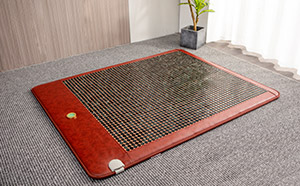
Benefits of Heated Massage Therapy
Combining heat with mechanical massage produces effects that neither one achieves as effectively alone. The heat component causes local blood vessels to dilate, increasing blood flow to the area being treated. This matters because increased circulation delivers more oxygen and nutrients to muscle tissue while helping carry away metabolic waste products that accumulate in muscles after exertion or prolonged static posture.
Heat also has a direct effect on muscle fiber itself — warmed muscle tissue becomes more pliable and less resistant to stretching, which is why the mechanical kneading or compression from the massage mechanism can work more effectively on tissue that's already been warmed than on cold, tight muscle. This combination is part of why heat therapy massage benefits are frequently cited specifically for chronic tension and stiffness rather than acute injuries, where cold therapy is typically recommended instead to reduce inflammation rather than relax tissue.
There's also a nervous system component: heat applied to the skin activates thermoreceptors that can help dampen pain signal transmission, a mechanism sometimes referred to as gate control theory. This is one reason heated massage often produces a stronger subjective sense of relief for tension-type discomfort than massage or heat alone, even when the physiological changes to the muscle tissue itself are similar.
Heated Massage for Muscle Recovery
Post-exercise recovery is one of the most common use cases driving interest in heated massage for muscle recovery, and the timing of when heat is applied matters. Heat is generally more useful in the recovery window after the initial post-exercise inflammation has settled — typically a day or more after intense activity — when the goal shifts from limiting inflammation to relaxing tight muscle and restoring range of motion. Applying heat too soon after an acute strain or in the first 24-48 hours following an intense workout can, in some cases, increase swelling rather than help.
For general muscle soreness and tightness following normal training loads rather than injury, heated massage devices are commonly used as a lower-effort alternative to foam rolling or manual massage, particularly for muscle groups that are difficult to reach or work on unassisted, such as the upper back and shoulders.
Common Heated Massager Types by Body Area
Device design changes significantly depending on which body area it's built for, since the shape needs to match the contours of that area to maintain consistent contact pressure and heat delivery:
| Device Type | Typical Design | Best For |
|---|---|---|
| Heated neck and shoulder massager | Wraparound or U-shaped design with rotating kneading nodes | Desk-related tension, trapezius and upper neck tightness |
| Heated back massager | Chair-mounted, cushion-style, or handheld with wider coverage | Lower and mid-back stiffness, prolonged sitting discomfort |
| Handheld percussion with heat | Compact motor head, targeted application | Localized muscle knots, post-workout spot treatment |
Heated Massage Device Buying Guide
With so many devices marketed similarly, a few specifications make a bigger practical difference than the marketing copy usually suggests when deciding how to choose a heated massage device:
- Adjustable heat settings — a device with only one fixed temperature limits its usefulness across different sessions and users; look for multiple heat levels rather than a single on/off heating function.
- Auto shut-off timer — a safety feature that prevents extended heat exposure if the device is left running, particularly important for devices used while seated or reclined where a user might fall asleep.
- Adjustable pressure or intensity — separate from heat level, this controls how firm the kneading or compression feels, and should be adjustable independently of temperature.
- Power source and portability — corded devices generally offer more consistent power for stronger motors, while battery-powered or car-adapter-compatible models trade some power for use away from a wall outlet.
- Washable or removable covers — a practical consideration often overlooked, since fabric covers in direct skin contact need regular cleaning over the device's lifespan.
A heated massage device with adjustable heat is generally worth prioritizing over a fixed-temperature model even at a modest price premium, since comfortable heat tolerance varies significantly between individuals and even between sessions for the same person depending on how tense the muscle already is.
 View More
- +86 188 5837 6736
- [email protected]
- 576 Yunsi West Road, Dayun Town, Jiashan County, Jiaxing City, Zhejiang Province
- Temperature Control Energy Pad
- Temperature-Controlled Energy Cushion
- Temperature Control Energy Belt
- Temperature Control Energy Abdominal Pad
- Temperature-Controlled Energy-Saving Cervical Pillow
- Temperature-Controlled Energy-Saving Lumbar Pillow
- Temperature Control Energy Spinal Pillow
- Electric Cloak (Shoulder And Neck Vest)
- Temperature-Controlled Energy Knee Pads
- Temperature-Controlled Energy-Saving Foot Warmer
- Temperature Control Energy Mattress
- Temperature Control Mattress
Copyright © Jiaxing Fuqiduo Thermal Bed Co., Ltd. All rights reserved.
Wholesale Therapeutic Mattresses Company
 The information provided on this website is intended for use only in countries and jurisdictions outside of the People's Republic of China.