
 EN
EN
 English
 Español
 عربى
عربى

How does a temperature control mattress differ from a standard cooling gel mattress topper?
Sep 11,2025
Content
I. Introduction: The Quest for a Cooler Night’s Sleep
Imagine this: it is the middle of the night, and you are pulled from a deep sleep not by a sound, but by a sensation. You are tangled in damp sheets, your body overheated and uncomfortable. This nightly struggle with thermal discomfort is a common reality for countless individuals, disrupting the restorative sleep essential for health and well-being. The search for a solution often leads sleepers to two prominent categories of products: the advanced temperature control mattress and the widely available cooling gel mattress topper. While both aim to address the same fundamental issue, they represent vastly different approaches, technologies, and investment levels.
What is the real difference between these two solutions, and more importantly, which one is right for you? Our goal is not to advocate for one over the other, but to objectively break down the technology, benefits, and drawbacks of each. We will explore how a simple, passive topper functions compared to an active, integrated sleep system, such as a jade thermal mattress. By understanding these fundamental differences—from the core principles of conductive versus active cooling to the long-term considerations of cost and maintenance—you will be equipped to make a fully informed purchasing decision that aligns with your specific needs, budget, and desired level of control over your sleep environment.
II. Deep Dive: What is a Standard Cooling Gel Mattress Topper?
For many seeking relief from sleeping hot, the first and most accessible step is often the purchase of a standard cooling gel mattress topper. This product is defined by its simplicity: it is a separate, supplemental layer designed to be placed directly on top of an existing mattress, underneath a fitted sheet. Its core function is to provide a cooler sleeping surface through passive means, fundamentally altering the microclimate directly around the sleeper without changing the ambient room temperature.
The technology behind these toppers is primarily based on the principle of conductive cooling. Most models utilize one of two methods to achieve this effect. The first involves gel-infused memory foam. In this design, tiny gel beads or a gel suspension is integrated into the viscoelastic foam. As the foam conforms to the body, these gel particles absorb and dissipate body heat, preventing it from building up around the sleeper. The second common technology employs Phase Change Materials (PCMs). These are advanced substances that absorb, store, and release large amounts of thermal energy as they change from a solid to a liquid state and back again. When you lie on a PCM topper, the material absorbs your excess body heat to melt, effectively pulling heat away from your body and maintaining a consistent, cool surface temperature for an extended period.
A critical characteristic to understand is that this is a passive system. It contains no moving parts, requires no power source, and features no active components. Its efficacy is entirely dependent on its material properties and, importantly, is influenced by the ambient temperature of the room. Its cooling effect is not infinite; it must eventually dissipate the absorbed heat into the surrounding air. This is a key differentiator from an active temperature control mattress.
The advantages of cooling gel toppers are significant and drive their popularity. They are notably affordable, representing a low-cost entry point into temperature-regulated sleep. Their installation is incredibly simple—unroll, place on the bed, and cover with a sheet—making them a hassle-free, non-permanent solution ideal for renters or those not ready to commit to a new mattress. They require virtually no maintenance beyond regular cleaning of the topper itself and are widely available from numerous retailers.
However, these benefits come with inherent limitations. The most notable con is that the cooling effect is passive and can diminish over time. As the material saturates with body heat throughout the night, its ability to draw away additional heat can lessen, potentially leading to warming in the early hours of the morning. The temperature range is limited; you cannot set a specific degree. Furthermore, its performance is reliant on room temperature; a hot room will hamper its ability to dissipate heat effectively. Some users also note that certain models can feel distinctly “cold” to the initial touch, which may be unpleasant for some, and this sensation often fades as the material acclimates. For those seeking a more robust and programmable solution, technologies like an electric jade thermal mattress represent the next echelon of climate control, which we will explore in the next section.
III. Deep Dive: What is a Temperature Control Mattress (or Sleep System)?
At the other end of the technological spectrum lies the temperature control mattress, a comprehensive sleep system designed for those for whom precise thermal regulation is a non-negotiable priority. Unlike a simple add-on topper, this solution is typically an integrated system comprising two main components: a specialized mattress (or a mattress pad that houses the core technology) and a separate control unit. This represents a shift from passive reaction to active management of the sleep surface’s climate.
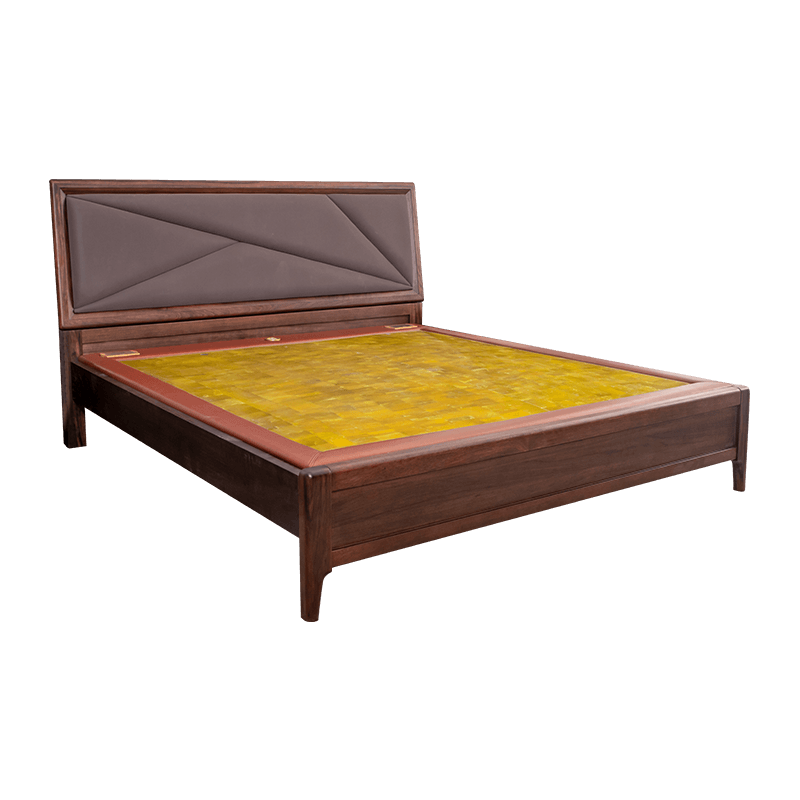
The core technology operates on the principle of active temperature regulation. The most common and effective method involves a hydro-powered system. A network of ultra-thin, flexible tubing is woven into a pad that sits on top of the mattress or is integrated within its comfort layers. This tubing is connected by hoses to a compact control unit, which houses a reservoir, a quiet pump, and a thermoelectric device (TED). The system is filled with water. The user sets their desired temperature on the control unit or a smartphone app. The pump then circulates water through the tubing. The TED either heats or chills this water to the exact set temperature, and the circulating water actively and consistently adds or removes heat from the bed surface throughout the entire night. This process is what defines a system like a jade thermal mattress, which focuses on maintaining a precise and stable temperature.
This is, unequivocally, an active system. It requires a power connection, is fully programmable, and offers a level of precision that passive products cannot match. Users can typically select a specific temperature within a wide range, often between 55°F and 115°F (13°C and 46°C), allowing for personalized cooling or warming. This functionality is a hallmark of an advanced electric jade thermal mattress.
The key characteristics of these systems highlight their premium nature. The primary advantage is precise temperature control that offers both cooling and heating capabilities, making it a year-round solution. It provides consistent all-night performance; because the water is constantly being tempered by the control unit, the surface temperature does not diminish or change as the night progresses. A major benefit for couples is independent dual-zone controls, allowing each side of the bed to be set to a different temperature, perfectly accommodating partners with different sleep preferences.
However, these advanced features come with commensurate considerations. The most significant barrier for many is the high initial cost, representing a substantial investment in sleep health. The installation is more complex, involving placing the mattress pad, positioning the control unit, and connecting the hoses. These systems also require minor maintenance, such as periodically adding distilled water to the reservoir and ensuring the unit is kept in a well-ventilated space. Finally, while engineered for quiet operation, the control unit does produce a low operational noise from its pump, which is a factor absent in completely silent passive toppers.
IV. Side-by-Side Comparison: A Detailed Breakdown
To truly understand the distinction between these two categories of sleep products, a direct, feature-by-feature comparison is essential. The following table delineates the core differences between a standard cooling gel mattress topper and an advanced temperature control mattress system, providing a clear, at-a-glance overview of what each option offers.
| Feature | Cooling Gel Mattress Topper | Temperature Control Mattress System |
|---|---|---|
| Core Technology | Passive Conductive Cooling (Gel/PCM) | Active Water-Based Circulation |
| Temperature Control | Limited, surface-level only | Precise, adjustable control (e.g., 55-110°F) |
| All-Night Consistency | Effect may diminish over time | Consistent temperature maintenance |
| Heating Function | Typically cooling only | Full-range heating and cooling |
| Dual-Zone Control | No | Yes (on most models) |
| Initial Investment | Low ($50 - $300) | High ($1,500 - $3,000+) |
| Operating Cost | $0 (no electricity) | Low (minimal electricity use) |
| Maintenance | Minimal (spot cleaning) | Periodic (adding distilled water) |
| Installation | Simple (unroll and place) | Complex (connect hoses, place unit) |
| Noise Level | Silent | Low hum from pump unit |
This comparison underscores the fundamental trade-off at play: simplicity and affordability versus precision and performance. The passive topper is a single product designed for immediate, albeit limited, relief. In contrast, a system like a jade thermal mattress is a comprehensive climate control solution for the bed, comprising multiple components working in concert to deliver a programmable sleep experience. The electric jade thermal mattress system represents a significant technological leap, moving from merely influencing the sleep surface to actively governing its temperature with accuracy.
V. Which One is Right for You? A Buyer’s Guide
Armed with a clear understanding of how these technologies differ, the decision ultimately comes down to aligning a product’s capabilities with your individual circumstances, needs, and expectations. There is no universally “best” option; the right choice is entirely dependent on the user’s specific profile.
Choose a Cooling Gel Mattress Topper if:
Your budget is a primary concern. If you are seeking relief from sleeping hot without a significant financial outlay, a cooling topper offers the most accessible entry point. You value simplicity and convenience above advanced features. The idea of a product that requires no setup, no electricity, and no maintenance is highly appealing. Your needs are relatively mild. You experience occasional night warmth and are looking for a general improvement in sleep comfort rather than a targeted solution for a severe problem. Your living situation is temporary or you are a renter. The non-permanent, portable nature of a topper makes it an ideal solution that can move with you. You prefer a passive, “set it and forget it” approach. You are not interested in programming settings or managing a device and simply want a product that works from the moment you place it on your bed.
Invest in a Temperature Control Mattress if:
You suffer from severe night sweats, hot flashes, or a medical condition that is exacerbated by temperature dysregulation. The precise and active cooling of a system like a jade thermal mattress is designed to effectively manage these more intense symptoms throughout the entire night. You and your sleep partner have drastically different temperature preferences. The ability to set two different temperatures on each side of the bed with independent dual-zone control is a unique and compelling feature that passive toppers cannot offer. You want absolute, year-round control over your sleep climate. The capability to not only cool but also to warm the bed to an exact temperature makes this a versatile solution for all seasons. You are making a long-term investment in your sleep health and are comfortable with the higher initial cost. Viewing the purchase as an investment in long-term wellness and consistent sleep quality justifies the premium price point for many consumers. The electric jade thermal mattress system is for those who have identified precise temperature control as a critical factor for their rest and are ready to invest in a technologically advanced solution to achieve it.
VI. Conclusion: Making an Informed Choice
The journey to a cooler, more comfortable night’s sleep requires navigating a landscape of increasingly sophisticated products. Through this analysis, the fundamental distinction has been made clear: the choice is between a passive, affordable solution and an active, premium investment. The standard cooling gel mattress topper serves as an effective surface-level intervention, offering accessible relief through conductive materials that absorb body heat. Its strengths lie in its simplicity, low cost, and ease of use, making it an excellent option for those with mild needs or budget constraints.
In contrast, a comprehensive temperature control mattress system, such as a jade thermal mattress, represents the pinnacle of personalized sleep technology. By actively circulating temperature-regulated water through a network of tubes, it functions as a true climate control system for the bed. This active technology delivers precise, programmable, and consistent temperature management that operates independently of room conditions. The capabilities of an electric jade thermal mattress—including dual-zone functionality and all-night consistency—cater to those with serious temperature regulation needs, making it a definitive solution for partners with different preferences or individuals managing night sweats and other related conditions.
Ultimately, the best choice is not determined by which product is technologically superior in a vacuum, but by which solution best aligns with your specific circumstances. Your individual sleep challenges, budget parameters, desired level of control, and long-term goals should guide this important decision. Both paths lead toward the same destination of improved sleep comfort, but they offer profoundly different journeys. By understanding the core principles, benefits, and limitations of each option, you are now equipped to make a confident, informed decision that will pave the way for more restful and rejuvenating nights.
 View More
- +86 188 5837 6736
- [email protected]
- 576 Yunsi West Road, Dayun Town, Jiashan County, Jiaxing City, Zhejiang Province
- Temperature Control Energy Pad
- Temperature-Controlled Energy Cushion
- Temperature Control Energy Belt
- Temperature Control Energy Abdominal Pad
- Temperature-Controlled Energy-Saving Cervical Pillow
- Temperature-Controlled Energy-Saving Lumbar Pillow
- Temperature Control Energy Spinal Pillow
- Electric Cloak (Shoulder And Neck Vest)
- Temperature-Controlled Energy Knee Pads
- Temperature-Controlled Energy-Saving Foot Warmer
- Temperature Control Energy Mattress
- Temperature Control Mattress
Copyright © Jiaxing Fuqiduo Thermal Bed Co., Ltd. All rights reserved.
Wholesale Therapeutic Mattresses Company
 The information provided on this website is intended for use only in countries and jurisdictions outside of the People's Republic of China.