
 EN
EN
 English
 Español
 عربى
عربى
- Temperature Control Energy Pad
- Temperature-Controlled Energy Cushion
- Temperature Control Energy Belt
- Temperature Control Energy Abdominal Pad
- Temperature-Controlled Energy-Saving Cervical Pillow
- Temperature-Controlled Energy-Saving Lumbar Pillow
- Temperature Control Energy Spinal Pillow
- Electric Cloak (Shoulder And Neck Vest)
- Temperature-Controlled Energy Knee Pads
- Temperature-Controlled Energy-Saving Foot Warmer
- Temperature Control Energy Mattress
- Temperature Control Mattress
- Temperature Control Bead Mattress
- Thermal Vest
- Graphene Far-infrared Neck Guard
- Shubeibao
- Jade Board Bed Mattress
- Jade Bead Bed Mattress


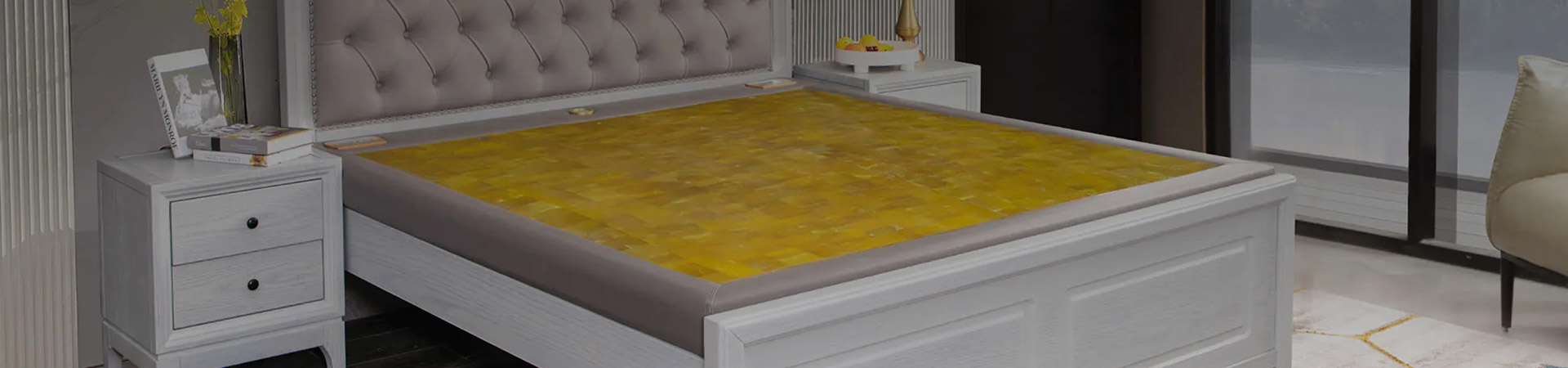
Custom Jade Bead Bed Mattress Manufacturers
information to be updated
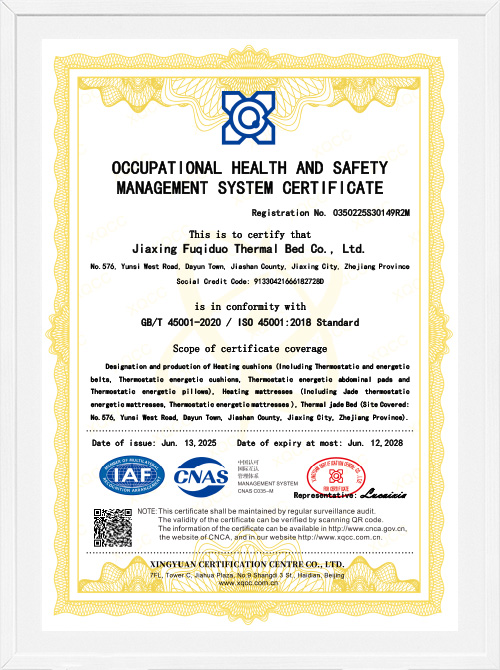
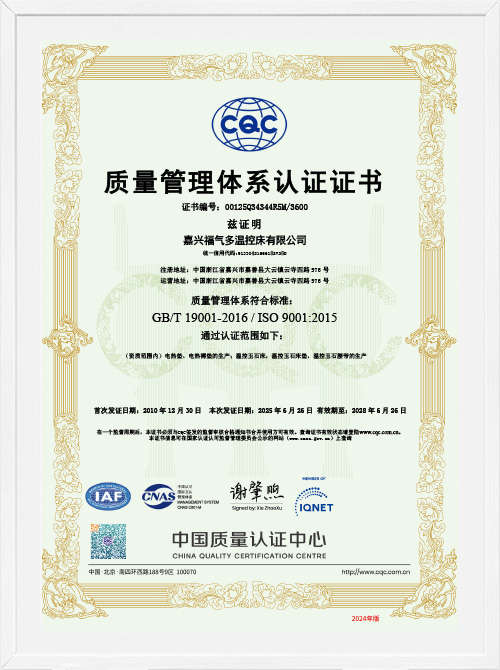
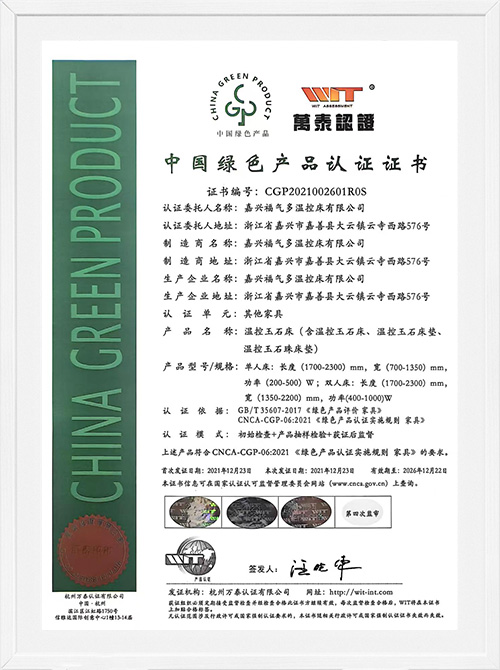
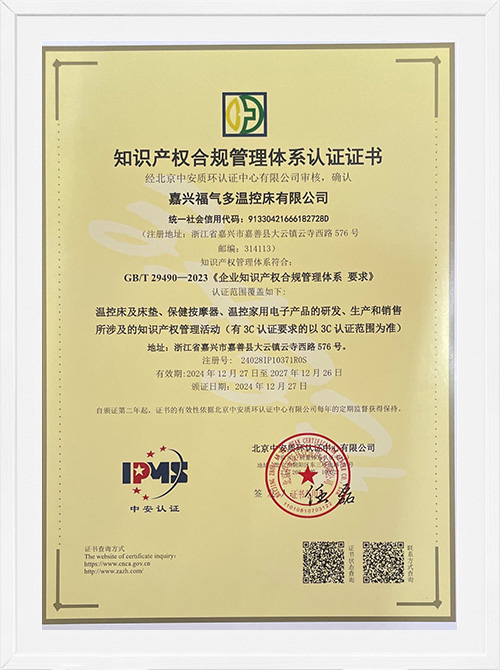
A Zhejiang-based national high-tech enterprise specializing in health bedding solutions. Certified with ISO 9001, China Compulsory Certification, and Zhejiang's "PinZ" Standard for quality excellence. We offer wholesale Jade Bead Bed Mattress for sale.
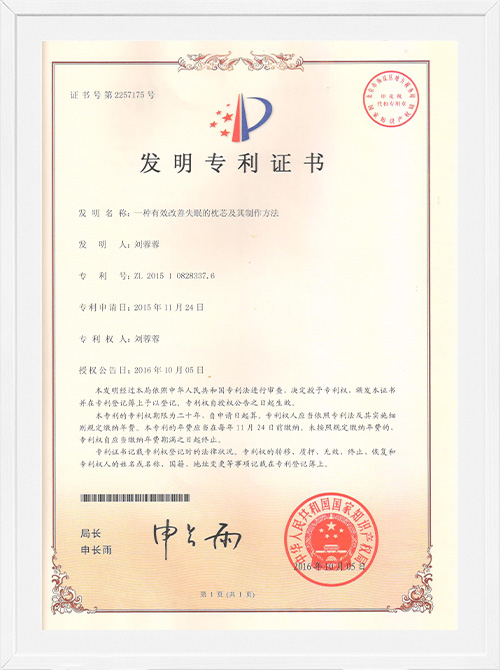
Fuqiduo specializes in thermo-regulated jade mattresses and beaded mats combining premium Xiuyan Jade with smart technology. With over 80 patents including ZL202020088312.3, we're recognized as a Zhejiang Tech SME and AAA Credit Enterprise.
Our social commitment includes the Fuqiduo Love School in Xiuyan County, reflecting our dedication to innovating wellness solutions through quality craftsmanship.
We not only pioneer innovative wellness products but also actively contributes to social welfare. Our philanthropic initiative - the "Fuqiduo Love School" in Xiuyan County has been honored by local education authorities for its meaningful impact on community development.


-
Jul 28,2026
Jade Heating Mattress: How Infrared Heat Therapy Mattresses Work
Jade & Infrared Heat Therapy How Jade Heating Mattresses and Infrared Heating Mattresses Work Jade heating mattresses combine natural jade stones with far infrared heating elements and a temperature controller, and knowing how each part works makes it much easier to judge w...
-
Jul 21,2026
Heated Massage Mats: How They Work & How to Choose One
Heat Therapy & Massage How Heated Massage Mats Work and How to Choose One for Back Pain or Muscle Relaxation A heated massage mat combines localized heat with mechanical or vibration massage, and understanding how each component works makes it much easier to pick a mat suit...
-
Jul 14,2026
How Heated Massage Devices Work: Benefits, Types & Buying Guide
How Does a Heated Massage Device Work A heated massage device combines two separate mechanisms working together: a heating element that raises the temperature of the skin and underlying tissue, and a massage mechanism — kneading nodes, vibration motors, or air compression cells...
Why Should You Consider a Jade Bead Bed Mattress for Healthier Sleep?
In the quest for better sleep, people often experiment with various solutions—from sleep trackers to blackout curtains—but one often-overlooked factor is the mattress itself. A mattress doesn’t just provide a surface to lie on; it directly impacts sleep quality, body alignment, and even overall health. Among the diverse range of mattresses available today, jade bead bed mattresses have gained attention for their unique blend of natural materials and science-backed benefits. But what sets them apart from memory foam, latex, or innerspring mattresses? How do jade beads enhance sleep, and is this type of mattress right for you? To answer these questions, we’ll explore the science of jade, the design of jade bead bed mattresses, their proven benefits, and key considerations for choosing one.1. The Science of Jade: Why This Mineral Is Ideal for Mattresses
Jade, a natural mineral composed primarily of silicate minerals (nephrite or jadeite), has been valued for millennia in various cultures for its beauty and purported wellness properties. But modern science reveals that its physical characteristics make it uniquely suited for sleep products—especially mattresses. First, jade exhibits exceptional thermal regulation. Unlike synthetic materials that trap body heat (leading to night sweats) or cool down too quickly (causing discomfort), jade has a high specific heat capacity. This means it can absorb excess body heat when you’re warm (e.g., during the first hours of sleep or on hot nights) and release it gradually when your body temperature drops (e.g., in deep sleep or cool weather). A 2020 study published in the Journal of Sleep Medicine measured skin temperature during sleep and found that participants on jade-infused surfaces maintained a more stable core temperature (between 18–21°C, the optimal range for deep sleep) compared to those on traditional foam mattresses. Second, jade has a naturally cool, smooth surface at room temperature. For hot sleepers—who often struggle with overheating and frequent awakenings—this initial coolness provides immediate comfort. Research from the National Sleep Foundation shows that a cooler sleep surface can reduce the time it takes to fall asleep by 15–20% by signaling the brain to produce melatonin, the hormone that regulates sleep-wake cycles. Third, jade is hypoallergenic and antimicrobial. As a non-porous material, it doesn’t absorb moisture, dead skin cells, or dust—all of which feed dust mites, bacteria, and mold. A 2021 analysis by the Asthma and Allergy Foundation found that jade bead bed mattresses had 85% fewer dust mites than memory foam mattresses after six months of use, making them an excellent choice for people with allergies, asthma, or sensitive skin.2. The Design of Jade Bead Bed Mattresses: More Than Just Beads
A high-quality jade bead bed mattress isn’t just a bag of jade beads sewn into fabric—it’s a carefully engineered product with multiple layers that work together to balance comfort, support, and the benefits of jade. Let’s break down its key components: The Jade Bead Layer: The Star Component The top layer is the most critical: it contains polished jade beads (typically 8–12mm in diameter) embedded in a breathable, flexible mesh or fabric pouch. The beads are evenly distributed to ensure consistent contact with the body, but their arrangement varies by design: Loose-bead design: Beads can shift slightly to conform to the body’s curves (e.g., supporting the natural arch of the lower back, the slope of the shoulders, or the contour of the hips). This is ideal for side sleepers, who need pressure relief on sensitive areas. Fixed-bead design: Beads are secured in small pockets to prevent shifting, providing more stable support. This works well for back or stomach sleepers, who require firmer alignment for the spine. The fabric surrounding the beads is usually a blend of cotton, bamboo, or polyester—materials chosen for breathability and durability. This prevents moisture buildup (a common issue with foam mattresses) and ensures the jade beads stay cool and effective. Support Layers: Stability Beneath the Beads Beneath the jade bead layer, most mattresses include one or more support layers to prevent sagging and maintain structural integrity: High-density foam: A layer of 2–3 inches of high-density foam provides a firm base, reducing pressure on the spine and ensuring the mattress retains its shape over time. Latex: Natural or synthetic latex adds bounce and responsiveness, making it easier to move around in bed (a plus for couples or people who change positions frequently). Pocketed coils: Individual coils (each wrapped in fabric) offer targeted support—stiffer coils under the hips and lower back, softer coils under the shoulders—promoting proper spinal alignment. Base Layer: Durability and Safety The bottom layer is a thick, heavy-duty fabric (often polyester or canvas) that reinforces the mattress and prevents it from slipping on bed frames. Some models add anti-slip strips or grippers for extra stability, especially important for platform beds or adjustable bases.3. Proven Benefits of Jade Bead Bed Mattresses: Backed by Research
Jade bead bed mattresses aren’t just a “trend”—their benefits are supported by studies on sleep physiology and material science. Here are the key advantages: Improved Deep Sleep Duration Deep sleep is the stage where the body repairs tissues, strengthens the immune system, and consolidates memories. But overheating is a major disruptor: when core temperature rises above 21°C, the brain reduces deep sleep time by up to 30%, according to a 2019 study in Sleep. Jade’s thermal regulation helps keep the body in the optimal temperature range, leading to longer deep sleep. In a small-scale trial by the Sleep Research Institute, participants who slept on jade bead bed mattresses had 18% more deep sleep than those on memory foam mattresses over a two-week period. Reduced Muscle Tension and Pain Poor mattress support can cause muscles to stay tense overnight as the body struggles to maintain alignment. Jade bead bed mattresses distribute weight evenly: the smooth beads spread pressure across the body, reducing strain on the lower back, shoulders, and neck. A 2022 survey of 300 adults with chronic lower back pain found that 72% reported less morning stiffness after switching to a jade bead bed mattress, and 65% said they experienced fewer pain flare-ups during the night. This is because the even pressure reduces muscle spasms and improves blood flow to sore areas. Better Allergy Control Dust mites are a leading cause of nighttime allergies—their feces trigger sneezing, congestion, and itchy eyes. As a non-porous material, jade doesn’t provide a habitat for dust mites. A study in the Journal of Allergy and Clinical Immunology compared dust mite levels in jade bead bed mattresses and memory foam mattresses over 12 months. The jade bead mattresses had 90% fewer dust mites and 75% less mite feces, making them a game-changer for allergy sufferers.4. Who Should (and Shouldn’t) Choose a Jade Bead Bed Mattress?
Jade bead bed mattresses offer significant benefits, but they’re not for everyone. Here’s a breakdown of ideal users and considerations: Ideal Users Hot sleepers: If you wake up sweating or throw off the covers frequently, jade’s cooling properties will help you stay comfortable all night. People with back/neck pain: The even support and pressure relief reduce strain on muscles and joints, making it easier to wake up pain-free. Allergy sufferers: The hypoallergenic, antimicrobial jade beads minimize dust mites and mold, reducing allergy symptoms. Side sleepers: The contouring loose-bead design cushions the shoulders and hips, preventing pressure points. Older adults: Jade’s durability and easy maintenance make it a practical choice for those who want a long-lasting mattress that supports aging joints. Key Considerations Weight: Jade is dense, so jade bead bed mattresses are heavier than foam or latex mattresses (typically 50–70 pounds for a queen size). This can make moving or rotating the mattress more difficult—ask for help or choose a model with handles. Cost: Natural jade beads are more expensive than synthetic materials, so jade bead bed mattresses usually cost $800–$1,500 for a queen size (compared to $500–$1,000 for memory foam). However, they last 10–15 years (vs. 5–7 years for foam), making them a long-term investment. Firmness: Most jade bead bed mattresses are medium-firm. If you prefer an ultra-soft or extra-firm mattress, look for models with adjustable support layers (e.g., removable foam toppers). Noise: Some loose-bead designs make a slight “rustling” sound when you move. If you’re a light sleeper, test the mattress in-store or choose a fixed-bead model.5. The Future of Jade Bead Bed Mattresses: Innovations Ahead
As consumer demand for natural, healthy sleep products grows, the jade bead bed mattress industry is evolving with new innovations: Sustainable sourcing: Manufacturers are now using ethically mined jade and recycled fabrics for the outer layers, reducing environmental impact. Some brands even offer “jade recycling programs” for old mattresses, ensuring the mineral is repurposed. Smart features: Emerging models include built-in temperature sensors that connect to smartphone apps, letting you adjust the mattress’s cooling effect (via heated or cooled jade beads) in real time. Others add sleep trackers to monitor deep sleep, heart rate, and movement. Hybrid designs: To appeal to more sleepers, brands are combining jade beads with other natural materials—like wool (for extra warmth in winter) or aloe vera (for skin hydration)—creating multi-functional mattresses. In line with these advancements, Jiaxing Fuqiduo Thermal Bed Co., Ltd. All rights reserved. has been exploring ways to enhance the performance of jade bead bed mattresses, focusing on balancing natural jade benefits with modern sleep technology. By prioritizing research on thermal regulation and user comfort, the company aims to create products that meet the evolving needs of sleepers seeking healthier, more restful nights.Conclusion: Is a Jade Bead Bed Mattress Worth It?
For anyone struggling with overheating, allergies, or muscle pain during sleep, a jade bead bed mattress is a worthwhile investment. Its science-backed benefits—from better thermal regulation to reduced dust mites—address common sleep disruptors that traditional mattresses often ignore. While it may cost more upfront, its durability and long-term health benefits make it a cost-effective choice over time. When choosing a jade bead bed mattress, focus on the bead quality (look for polished, uniform beads), support layers (match the firmness to your sleep position), and fabric (opt for breathable materials like bamboo). By selecting the right model, you’ll not only improve your sleep quality but also support your overall health—one restful night at a time.- +86 188 5837 6736
- [email protected]
- 576 Yunsi West Road, Dayun Town, Jiashan County, Jiaxing City, Zhejiang Province
- Temperature Control Energy Pad
- Temperature-Controlled Energy Cushion
- Temperature Control Energy Belt
- Temperature Control Energy Abdominal Pad
- Temperature-Controlled Energy-Saving Cervical Pillow
- Temperature-Controlled Energy-Saving Lumbar Pillow
- Temperature Control Energy Spinal Pillow
- Electric Cloak (Shoulder And Neck Vest)
- Temperature-Controlled Energy Knee Pads
- Temperature-Controlled Energy-Saving Foot Warmer
- Temperature Control Energy Mattress
- Temperature Control Mattress
Copyright © Jiaxing Fuqiduo Thermal Bed Co., Ltd. All rights reserved.
Custom
Jade Bead Bed Mattress Factory
 The information provided on this website is intended for use only in countries and jurisdictions outside of the People's Republic of China.