
 EN
EN
 English
 Español
 عربى
عربى

Heated Massage Mats: How They Work & How to Choose One
Jul 21,2026
Heat Therapy & Massage
Content
- 1 How Heated Massage Mats Work and How to Choose One for Back Pain or Muscle Relaxation
- 2
- 3 How Does a Heated Massage Mat Work?
- 4 Heating Pad for Back Pain vs. Muscle Relaxation
- 5 Far Infrared Heating Pad Benefits
- 6 Full Body Heating Pad vs. Targeted Heating Mat
- 7 Electric Heating Massage Mats: What to Check Before Buying
How Heated Massage Mats Work and How to Choose One for Back Pain or Muscle Relaxation
A heated massage mat combines localized heat with mechanical or vibration massage, and understanding how each component works makes it much easier to pick a mat suited to your actual goal — whether that's easing tight muscles after a workout or general relaxation at the end of the day.
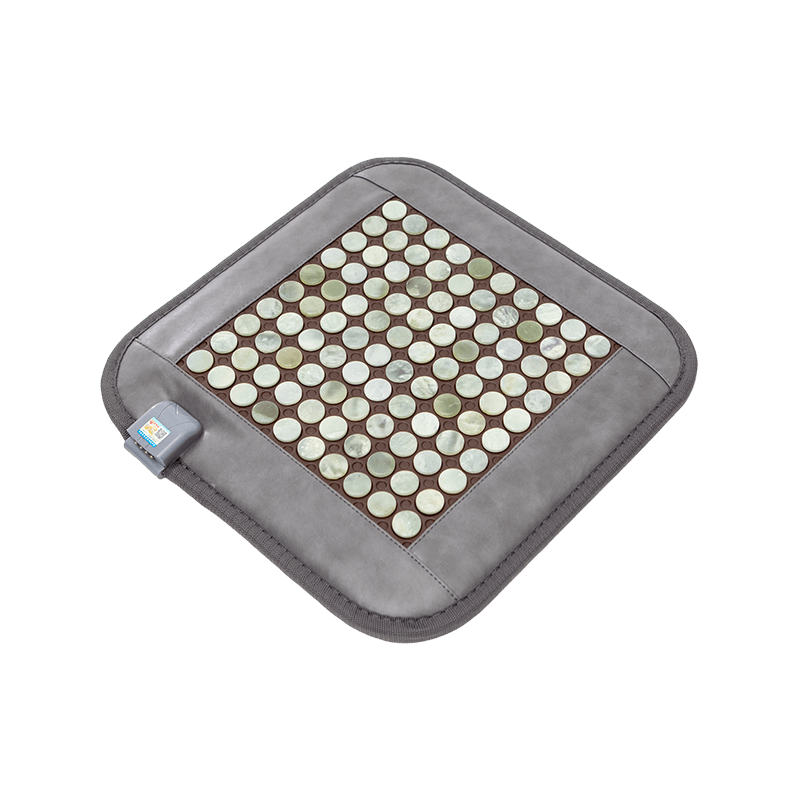
How Does a Heated Massage Mat Work?
A heated massage mat layers two functions into one pad: a heating element (resistive wire or far infrared panels) that warms the skin and underlying tissue, and a massage mechanism — usually vibrating motors or rolling nodes — that applies mechanical pressure. Used together, the heat helps relax surface muscle tension while the massage function targets deeper pressure points along the back, shoulders, or legs.
Heating Element
Resistive coils or far infrared panels distributed across the mat generate consistent surface warmth, typically adjustable across several temperature settings.
Massage Mechanism
Vibration motors or rolling nodes positioned along the spine and shoulder zones deliver mechanical pressure alongside the heat.
Zone Control
Multi-zone mats let heat and massage intensity be adjusted independently for the neck, back, and leg areas.
Heating Pad for Back Pain vs. Muscle Relaxation
Heating pads are often marketed broadly, but the ideal settings differ depending on the goal. A heating pad for back pain is generally used at moderate, sustained heat over a longer session to help ease general stiffness and improve comfort during rest. A heating pad for muscle relaxation after exercise is often used at slightly lower heat for shorter sessions, sometimes paired with vibration to help reduce post-workout tightness.
- Chronic stiffness or lower back discomfort — favors sustained, even heat over a larger surface area
- Post-exercise muscle tightness — favors shorter heat sessions combined with vibration massage
- General end-of-day relaxation — favors full-body coverage with lower, steady heat
Far Infrared Heating Pad Benefits
Far infrared (FIR) heating pads generate heat using infrared wavelengths that penetrate the skin's surface more deeply than standard resistive heating elements, which some users find produces a warmer, more penetrating sensation at a lower surface temperature. Commonly reported benefits of far infrared heating pads include:
Deeper warmth sensation
Infrared wavelengths are associated with a warming sensation that feels deeper than surface-only heat at the same temperature setting.
Even heat distribution
FIR panels tend to spread heat more evenly across the mat surface compared to single-coil resistive designs.
Lower surface temperature operation
Some FIR mats can produce a comparable warming effect at a lower surface temperature, which may feel gentler for sensitive skin.
Full Body Heating Pad vs. Targeted Heating Mat
| Type | Coverage | Best Suited For |
|---|---|---|
| Full body heating pad | Entire torso, back, and legs | General relaxation, cold-weather comfort, whole-body warmth |
| Back-focused massage mat | Neck to lower back | Back pain relief and spine-adjacent muscle tension |
| Seat/targeted pad | Single zone (seat, shoulders, legs) | Desk use or travel where portability matters more than full coverage |
Coverage type by heating pad and massage mat format
Electric Heating Massage Mats: What to Check Before Buying
- Adjustable heat levels — multiple temperature settings allow the mat to suit different seasons and sensitivity levels
- Independent zone control — separate heat and massage controls for different body areas add flexibility for shared household use
- Auto shut-off timer — a safety feature worth prioritizing for pads used during rest or sleep
- Material and washability — a removable, washable cover matters for a mat used daily
- Cord length and portability — matters most for mats intended to move between a sofa, bed, or office chair
 View More

- +86 188 5837 6736
- [email protected]
- 576 Yunsi West Road, Dayun Town, Jiashan County, Jiaxing City, Zhejiang Province
- Temperature Control Energy Pad
- Temperature-Controlled Energy Cushion
- Temperature Control Energy Belt
- Temperature Control Energy Abdominal Pad
- Temperature-Controlled Energy-Saving Cervical Pillow
- Temperature-Controlled Energy-Saving Lumbar Pillow
- Temperature Control Energy Spinal Pillow
- Electric Cloak (Shoulder And Neck Vest)
- Temperature-Controlled Energy Knee Pads
- Temperature-Controlled Energy-Saving Foot Warmer
- Temperature Control Energy Mattress
- Temperature Control Mattress
Copyright © Jiaxing Fuqiduo Thermal Bed Co., Ltd. All rights reserved.
Wholesale Therapeutic Mattresses Company
 The information provided on this website is intended for use only in countries and jurisdictions outside of the People's Republic of China.