
 EN
EN
 English
 Español
 عربى
عربى

The Engineering and Therapeutic Science Behind the Temperature-Controlled Jade Energy Cushion
Feb 17,2026
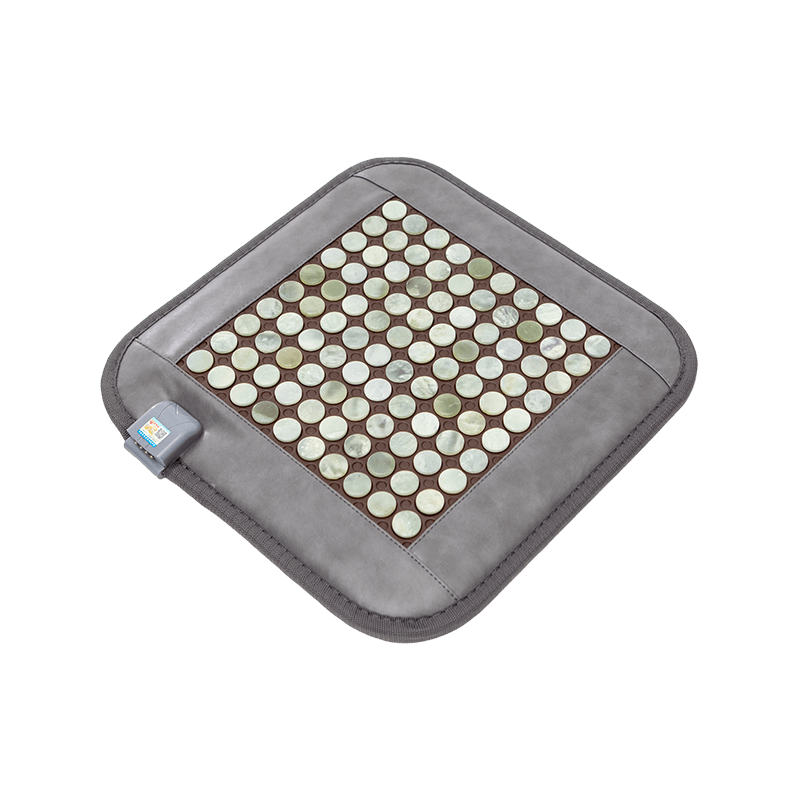
In the evolving landscape of wellness technology, the integration of ancient lithotherapy with modern thermal engineering has led to the development of high-performance recovery tools. The Temperature-Controlled Jade Energy Cushion stands as a premier example of this fusion. By utilizing the natural high thermal conductivity of nephrite and jadeite, combined with precision-calibrated heating elements, these devices offer localized thermotherapy that penetrates deeper than standard resistive heating pads. Understanding the thermodynamic properties and the biological impact of far-infrared emission is essential for engineers and health professionals alike when evaluating a Temperature-Controlled Jade Energy Cushion for chronic pain management or microcirculation enhancement.
Content
- 1 1. Thermodynamic Properties: Why Natural Jade is the Optimal Conductor
- 2 2. Advanced Far-Infrared (FIR) Technology and Biological Resonance
- 3 3. Intelligent Temperature Regulation and Safety Engineering
- 4 4. Ergonomic Integration for Daily Wellness
- 5 5. Optimizing Recovery: Best Practices for Use
- 6 Frequently Asked Questions (FAQ)
- 6.1 1. How long does it take for the Temperature-Controlled Jade Energy Cushion to heat up?
- 6.2 2. Can I use the Temperature-Controlled Jade Energy Cushion overnight?
- 6.3 3. What is the difference between jade and tourmaline for heat therapy?
- 6.4 4. Are there any jade energy cushion side effects and contraindications?
- 6.5 5. How to clean a jade energy cushion safely?
- 7 Industry References
1. Thermodynamic Properties: Why Natural Jade is the Optimal Conductor
From a materials science perspective, jade is not merely an aesthetic choice but a functional ceramic. Natural jade possesses a high specific heat capacity and exceptional infrared emissivity. When a Temperature-Controlled Jade Energy Cushion is activated, the internal carbon fiber heating elements transfer thermal energy to the jade stones. Unlike synthetic materials that may create "hot spots," jade ensures a uniform heat distribution across the surface. This is a primary reason why the benefits of jade heating pads for back pain are superior to traditional electric blankets; the jade acts as a thermal reservoir, emitting constant far-infrared (FIR) waves between 6 and 14 microns, which matches the human body's own absorption frequency.
Comparison: Jade vs. Synthetic Heating Elements
While synthetic pads provide rapid surface heat, natural stone-based cushions offer deeper penetration and better heat retention over time.
| Material Type | Heat Distribution | Deep Tissue Penetration | Safety / EM Shielding |
| Synthetic Polyester Pad | Uneven (Resistive wires) | Superficial (Skin level) | Variable (Low shielding) |
| Natural Jade Stone | Uniform (Thermal mass) | Deep (FIR Emission) | High (Silicon-coated wires) |
2. Advanced Far-Infrared (FIR) Technology and Biological Resonance
The core efficacy of the Temperature-Controlled Jade Energy Cushion lies in its ability to facilitate "Resonance Absorption."" When the jade is heated, it releases FIR rays that penetrate up to 3 inches into the muscle tissue and skeletal system. This deep-seated thermal energy promotes vasodilation, which significantly increases blood flow. Many users often ask, "How does far-infrared heat work with jade?"" The answer lies in the atomic vibrations of the stone's silicate structure, which, when excited by electricity, radiates energy that vibrates at the same frequency as human water molecules, generating internal heat through friction. This process is highly effective for improving blood circulation with jade cushions, aiding in the rapid removal of metabolic waste like lactic acid.
3. Intelligent Temperature Regulation and Safety Engineering
A professional-grade Temperature-Controlled Jade Energy Cushion must utilize a sophisticated NTC (Negative Temperature Coefficient) sensor system. This ensures that the surface temperature remains constant to within ±1 degree of the user's setting, preventing thermal injury while maximizing therapeutic windows. In a jade vs tourmaline for heat therapy comparison, it is often noted that while tourmaline emits more negative ions, jade provides a more stable and "gentle" thermal release, making it the preferred choice for long-duration sessions. Engineers prioritize electromagnetic field (EMF) shielding in these cushions to ensure that the user is not exposed to harmful radiation while seeking recovery.
Comparison: Temperature Precision and Material Stability
Jade offers a more balanced therapeutic profile for users sensitive to rapid temperature fluctuations compared to high-intensity crystals like tourmaline.
| Feature | Jade Thermal Profile | Tourmaline Thermal Profile |
| Heating Speed | Stable/Moderate | Rapid/Intense |
| Ionic Discharge | Moderate | High |
| Thermal Stability | Excellent (Long-term retention) | Moderate (Quick cool down) |
4. Ergonomic Integration for Daily Wellness
Beyond the molecular science, the physical design of the Temperature-Controlled Jade Energy Cushion must account for lumbar and cervical ergonomics. High-density padding protects the heating layers while allowing the jade stones to contour slightly to the body. This is a critical advantage of using an energy cushion for office chairs; it provides passive therapy during sedentary work hours. Furthermore, understanding how to clean a jade energy cushion without damaging the internal sensors—typically using a damp cloth and mild pH-neutral cleansers—is vital for maintaining the longevity of the medical-grade leather or specialized fabric covers used in construction.
Technical Design Requirements:
- Multi-Layer Shielding: To prevent EMF interference and provide fire-retardant barriers.
- Carbon Fiber Heating: For durable, flexible, and efficient energy conversion.
- Auto-Shutoff Timers: Essential for the safety features of electric jade cushions to prevent prolonged exposure during sleep.
- Non-Toxic Bonding: Ensuring that no VOCs (Volatile Organic Compounds) are released during the heating process.
5. Optimizing Recovery: Best Practices for Use
To maximize the Temperature-Controlled Jade Energy Cushion's potential, users should begin with a "priming" phase at 40°C to allow the jade stones to reach thermal equilibrium. For chronic conditions, using jade energy cushions for sciatica relief has shown promise due to the combination of negative ions and heat. However, practitioners should be aware of the jade energy cushion side effects and contraindications, such as avoiding high-heat settings for individuals with acute inflammation or specific metallic implants. For most users, a 30-minute session at a moderate 50°C provides the optimal balance of muscle relaxation and cellular rejuvenation.
Frequently Asked Questions (FAQ)
1. How long does it take for the Temperature-Controlled Jade Energy Cushion to heat up?
Most professional models take between 5 and 10 minutes to reach the desired temperature. However, the jade stones continue to absorb and stabilize the heat for another 5 minutes to ensure a consistent far-infrared emission.
2. Can I use the Temperature-Controlled Jade Energy Cushion overnight?
It is generally recommended to use the cushion for 30-60 minute intervals. If the device has an auto-shutoff safety feature of electric jade cushions and is set to a low, maintenance temperature (under 40°C), it can be used for longer periods, but consult the user manual for specific thermal safety ratings.
3. What is the difference between jade and tourmaline for heat therapy?
Jade is better for deep, consistent thermal retention and soothing pain. Tourmaline is often added for its higher negative ion production, which is thought to assist more with mood and respiratory wellness. Many premium cushions use a mix of both.
4. Are there any jade energy cushion side effects and contraindications?
Heat therapy should be avoided on open wounds, during pregnancy (on the abdominal area), or by individuals with decreased skin sensitivity (peripheral neuropathy). Always start with the lowest heat setting to test skin tolerance.
5. How to clean a jade energy cushion safely?
Always unplug the device first. Use a slightly damp cloth to wipe the stones and the surface. Never submerge the cushion in water, as this will destroy the internal carbon fiber heating elements and NTC sensors.
Industry References
- Journal of Medical Engineering & Technology: "Evaluation of Far-Infrared Radiation in Hyperthermia.""
- International Journal of Biometeorology: "Thermal properties of natural gemstones in therapeutic applications.""
- Standard IEC 60335-2-17: Safety of household and similar electrical appliances — Flexible heating elements.
- The American Journal of Chinese Medicine: ""hermal and ionic effects of nephrite on localized microcirculation.""
 View More
- +86 188 5837 6736
- [email protected]
- 576 Yunsi West Road, Dayun Town, Jiashan County, Jiaxing City, Zhejiang Province
- Temperature Control Energy Pad
- Temperature-Controlled Energy Cushion
- Temperature Control Energy Belt
- Temperature Control Energy Abdominal Pad
- Temperature-Controlled Energy-Saving Cervical Pillow
- Temperature-Controlled Energy-Saving Lumbar Pillow
- Temperature Control Energy Spinal Pillow
- Electric Cloak (Shoulder And Neck Vest)
- Temperature-Controlled Energy Knee Pads
- Temperature-Controlled Energy-Saving Foot Warmer
- Temperature Control Energy Mattress
- Temperature Control Mattress
Copyright © Jiaxing Fuqiduo Thermal Bed Co., Ltd. All rights reserved.
Wholesale Therapeutic Mattresses Company
 The information provided on this website is intended for use only in countries and jurisdictions outside of the People's Republic of China.