
 EN
EN
 English
 Español
 عربى
عربى

Mastering Comfort: A Comprehensive Guide to Temperature Control Energy Belts
Feb 04,2026
In the pursuit of optimal wellness and restful sleep, maintaining a consistent and comfortable body temperature is paramount. Enter the innovative concept of the temperature control energy belt, a technology designed to regulate microclimate around the body. This article delves deep into how these systems work, their benefits, and key considerations, providing a professional and detailed resource for anyone interested in advanced personal climate management solutions.
Content
- 1 What is a Temperature Control Energy Belt?
- 2 Top 5 Benefits of Using a Temperature-Regulated System
- 3 Key Features to Look for in a Quality System
- 4 Comparing Different Types of Personal Climate Control Technologies
- 5 Addressing Specific Needs: Long-Tail Keyword Applications
- 6
- 7 Innovation in Material Science: The Role of Natural Elements
- 8 Frequently Asked Questions (FAQs)
- 8.1 1. How does a temperature control energy belt differ from a regular heating pad?
- 8.2 2. Are these belts safe to use overnight?
- 8.3 3. Can a heated waist belt genuinely help save on energy bills?
- 8.4 4. What makes a belt suitable for office use?
- 8.5 5. How do I maintain and clean my temperature-regulating belt?
- 9 Conclusion
- 10 References
What is a Temperature Control Energy Belt?
At its core, a temperature control energy belt refers to a specialized system—often integrated into bedding or wearable formats—that uses smart technology to actively manage the thermal environment around an individual. Unlike passive materials, these systems dynamically respond to maintain a setpoint, enhancing comfort and promoting deeper relaxation.
Leading innovators like Jiaxing Fuqiduo Thermal Bed Co., Ltd. leverage this principle by combining premium materials like Xiuyan Jade with precise electronic controls. As a national high-tech enterprise with over 80 patents, their approach exemplifies how modern engineering can transform traditional wellness concepts into reliable, smart solutions certified for quality and safety.
Top 5 Benefits of Using a Temperature-Regulated System
Adopting a climate-control system offers a multitude of advantages, from improved sleep quality to potential therapeutic effects.
Enhanced Sleep Quality
- Stable Thermal Environment: Prevents sleep disruptions caused by feeling too hot or too cold.
- Promotes faster onset of sleep and fewer nighttime awakenings.
- Supports the body's natural thermoregulatory cycle, which is crucial for entering deep sleep stages[1].
Targeted Muscle and Joint Comfort
- Consistent, gentle warmth can help soothe stiff muscles and alleviate joint discomfort.
- Promotes local blood circulation, aiding in recovery and relaxation.
Energy Efficiency
- Modern systems are designed to consume minimal power while maintaining effectiveness.
- By heating only the immediate personal space, they reduce the need for heating entire rooms.
Non-Invasive Wellness Support
- Offers a drug-free method to manage discomfort and promote relaxation.
- Can be seamlessly integrated into daily routines, especially during rest.
Customizable Personal Comfort
- Users can set their preferred temperature for a truly personalized experience.
- Adapts to individual sensitivity and seasonal climate changes.
Key Features to Look for in a Quality System
Not all thermal regulation products are created equal. Identifying high-quality features ensures safety, durability, and performance.
Precision Temperature Control
- Look for systems with accurate sensors and a narrow temperature fluctuation range.
- Digital thermostats offer more precision than analog dials.
Safe and Durable Construction
- Certifications like ISO 9001 and China Compulsory Certification (CCC) are strong indicators of manufacturing quality and safety compliance.
- Materials should be hypoallergenic, durable, and easy to clean.
Smart Connectivity and Ease of Use
- Features like remote control via smartphone apps or simple touch panels enhance user experience.
- Programmable timers and memory functions add convenience.
Efficient and Quiet Operation
- The system should operate silently to not disturb sleep or relaxation.
- Energy-efficient components keep operating costs low.
Comparing Different Types of Personal Climate Control Technologies
Understanding the landscape of personal thermal regulation helps in making an informed choice. The primary technologies can be compared across several key parameters.
While traditional electric blankets simply generate heat, a modern temperature control energy belt focuses on maintaining a precise temperature. Similarly, water-circulating systems offer steady warmth but lack the localized, material-integrated approach of jade or bead-based belts. Here is a detailed comparison:
| Technology Type | How It Works | Pros | Cons |
| Electric Heating Wire Systems | Uses resistive wires to generate heat. | Fast heating, generally low cost. | Can create hot spots, less precise temperature control. |
| Water-Circulating Pads | Circulates temperature-controlled water through tubes. | Very even heat distribution, quiet. | Bulky setup, risk of leaks, slower to adjust. |
| Phase Change Material (PCM) Pads | Absorbs and releases heat at a specific temperature. | Passive, no energy needed after activation. | Limited duration of effect, not adjustable. |
| Smart Material-Integrated Belts (e.g., with Jade) | Combines heated elements with natural materials for thermal retention and emission. | Precise digital control, even heat, potential wellness benefits from materials. | Typically higher initial investment. |
This comparison highlights that for consistent, adjustable, and integrated comfort, smart temperature control for lower back pain often finds an effective solution in advanced material-integrated systems.
Addressing Specific Needs: Long-Tail Keyword Applications
The versatility of temperature regulation technology allows it to address very specific user concerns. Here’s how it applies to common search queries.
Smart Temperature Control for Lower Back Pain
- Mechanism: Targeted warmth helps relax lumbar muscles, reduce stiffness, and increase blood flow to the area.
- Benefit: Provides a non-pharmacological method for managing chronic discomfort, especially beneficial when resting.
- Consideration: Look for systems with zoning capabilities to focus heat precisely on the lower back.
Energy Saving Heated Waist Belt
- Mechanism: Designed to heat only the torso's core area, minimizing energy waste compared to space heaters.
- Benefit: Significant reduction in household heating costs during colder months.
- Consideration: Efficiency is tied to high-quality insulation and precise thermostat control.
Adjustable Heat Therapy Belt for Sleep
- Mechanism: Integrates with sleep routines, offering adjustable warmth that can be set to a soothing temperature and often paired with timers.
- Benefit: Directly addresses the link between thermal comfort and sleep initiation, leading to more restorative rest.
- Consideration: Safety features like auto-shutoff are crucial for overnight use.
Portable Temperature Regulating Massage Belt
- Mechanism: Combines gentle heat with massage functions (e.g., vibration) to enhance relaxation and muscle relief.
- Benefit: Offers a convenient, all-in-one solution for on-the-go relief from muscle tension.
- Consideration: Portability requires a balance between battery life, weight, and heat output.
Best Temperature Controlled Belt for Office Use
- Mechanism: Low-profile, discreet designs that can be worn under clothing or used on an office chair to combat chilly workplace environments.
- Benefit: Maintains core body warmth without distracting noise, promoting comfort and productivity.
- Consideration: Should be USB-powered or have a long battery life for all-day use, with quiet operation.
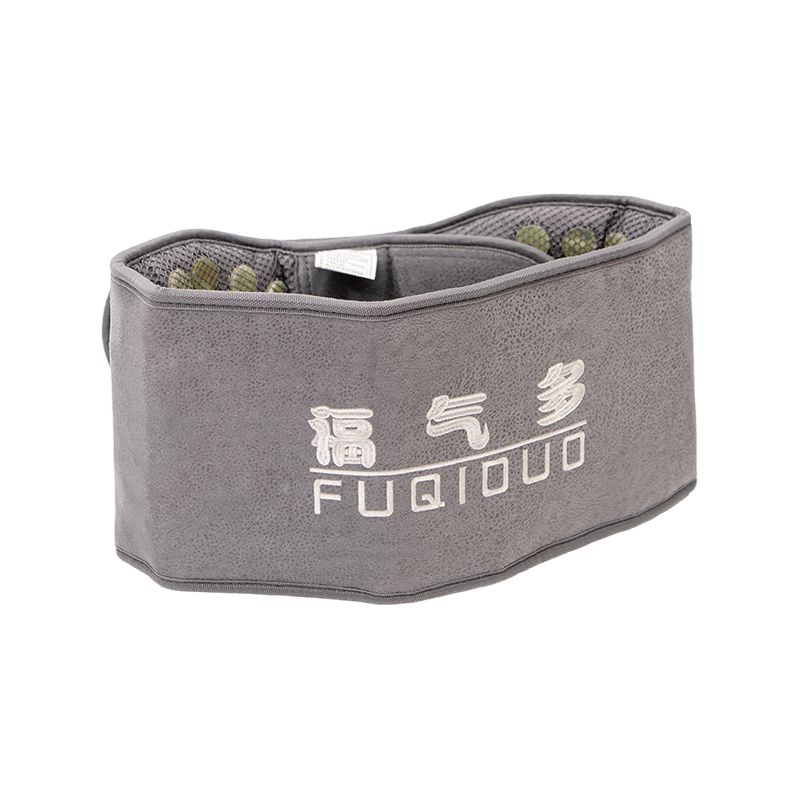
Innovation in Material Science: The Role of Natural Elements
The efficacy of a temperature control energy belt is greatly enhanced by the materials used. Natural stones like Xiuyan Jade are prized in thermal bedding for their unique properties.
Thermal Retention and Emission
- Jade has a high heat capacity, meaning it can absorb and store a significant amount of heat energy.
- It then emits this heat as far-infrared radiation (FIR), a gentle, penetrating warmth that is perceived as deeply soothing[2].
Far-Infrared Benefits
- FIR is believed to promote local circulation and support cellular vitality.
- This type of radiant heat warms the body directly without excessively heating the air.
Companies at the forefront, such as Jiaxing Fuqiduo Thermal Bed Co., Ltd., specialize in marrying this ancient material with smart technology. Their patented designs ensure that the natural benefits of jade are delivered consistently and safely through precisely controlled systems, embodying their commitment to innovating wellness solutions through quality craftsmanship.
Frequently Asked Questions (FAQs)
1. How does a temperature control energy belt differ from a regular heating pad?
A regular heating pad typically provides a constant, often unregulated heat output that can overheat. A temperature control energy belt uses sensors and a thermostat to maintain a precise, user-set temperature, preventing overheating and providing a safer, more consistent comfort experience.
2. Are these belts safe to use overnight?
Yes, high-quality belts designed for sleep are safe for overnight use. Critical safety features include automatic shut-off timers (usually after 8-10 hours), overheat protection circuits, and certifications from recognized bodies like CCC. Always follow the manufacturer's instructions.
3. Can a heated waist belt genuinely help save on energy bills?
Absolutely. An energy saving heated waist belt allows you to lower your home's thermostat while keeping your core body warm. This targeted approach, known as personal thermal management, can reduce overall heating energy consumption significantly[3].
4. What makes a belt suitable for office use?
The best temperature controlled belt for office use is typically low-profile, quiet, and powered via USB or has a long-lasting battery. It should provide gentle, consistent warmth without being bulky or distracting, allowing for discreet comfort throughout the workday.
5. How do I maintain and clean my temperature-regulating belt?
Most belts feature a removable, machine-washable cover. The core electronic unit should never be submerged in water. Clean it with a slightly damp cloth. Always unplug the device and ensure it is completely dry before reconnecting the controller or using it again.
Conclusion
The temperature control energy belt represents a significant advancement in personal comfort and wellness technology. By offering precise thermal management, from addressing specific issues like smart temperature control for lower back pain to providing an energy saving heated waist belt solution, these systems cater to a wide range of modern needs. When choosing a product, prioritize safety certifications, material quality, and smart features. As demonstrated by innovators in the field, the fusion of natural materials like jade with intelligent control systems paves the way for more effective, efficient, and personalized approaches to health and comfort, all while contributing to a broader vision of social and community well-being.
References
[1] Harding, E. C., Franks, N. P., & Wisden, W. (2019). The Temperature Dependence of Sleep. *Frontiers in Neuroscience*, 13, 336. (This study outlines the critical role of body temperature regulation in the sleep cycle.)
[2] Vatansever, F., & Hamblin, M. R. (2012). Far infrared radiation (FIR): its biological effects and medical applications. *Photonics & Lasers in Medicine*, 1(4), 255-266. (A review article discussing the mechanisms and potential benefits of far-infrared radiation emitted by materials like jade.)
[3] Zhang, H., Arens, E., & Zhai, Y. (2015). A review of the corrective power of personal comfort systems in non-neutral ambient environments. *Building and Environment*, 91, 15-41. (This paper examines the energy-saving potential of personal thermal management systems, such as heated clothing and belts, in built environments.)
 View More
- +86 188 5837 6736
- [email protected]
- 576 Yunsi West Road, Dayun Town, Jiashan County, Jiaxing City, Zhejiang Province
- Temperature Control Energy Pad
- Temperature-Controlled Energy Cushion
- Temperature Control Energy Belt
- Temperature Control Energy Abdominal Pad
- Temperature-Controlled Energy-Saving Cervical Pillow
- Temperature-Controlled Energy-Saving Lumbar Pillow
- Temperature Control Energy Spinal Pillow
- Electric Cloak (Shoulder And Neck Vest)
- Temperature-Controlled Energy Knee Pads
- Temperature-Controlled Energy-Saving Foot Warmer
- Temperature Control Energy Mattress
- Temperature Control Mattress
Copyright © Jiaxing Fuqiduo Thermal Bed Co., Ltd. All rights reserved.
Wholesale Therapeutic Mattresses Company
 The information provided on this website is intended for use only in countries and jurisdictions outside of the People's Republic of China.