
 EN
EN
 English
 Español
 عربى
عربى
The Ultimate Guide to Thermal Waist Belts: Benefits, Types, and Smart Choices
Jan 26,2026
In the realm of personal wellness and physical comfort, heat therapy stands as a time-tested method for soothing aches and promoting relaxation. A thermal waist belt has emerged as a popular, targeted tool in this category, offering portable warmth to the core abdominal and lower back areas. This comprehensive guide delves deep into the science, applications, and key considerations for choosing an effective thermal waist belt, empowering you to make an informed decision for your well-being.
Content
- 1 What is a Thermal Waist Belt and How Does It Work?
- 2 Top 5 Benefits of Using a High-Quality Thermal Waist Belt
- 3 Key Features to Consider When Choosing Your Thermal Waist Belt
- 4 Deep Dive: Answering Your Top Thermal Waist Belt Queries
- 5 Innovation in Thermal Technology: A Glimpse into the Future
- 6 Frequently Asked Questions (FAQ)
- 6.1 1. Can I wear a thermal waist belt while sleeping?
- 6.2 2. How long does the battery typically last on a cordless thermal waist belt?
- 6.3 3. Is a thermal waist belt effective for weight loss or spot reduction?
- 6.4 4. Can I use a thermal waist belt if I have a medical condition like diabetes?
- 6.5 5. What is the typical lifespan of a good-quality thermal waist belt?
- 7
- 8 References
What is a Thermal Waist Belt and How Does It Work?
A thermal waist belt is a wearable device designed to deliver consistent, controlled heat to the waist, lower back, and abdominal region. Its primary mechanism is thermotherapy, which leverages heat to provide therapeutic benefits.
The Science of Heat Therapy
The application of heat leads to several physiological responses:
- Vasodilation: Heat causes blood vessels to expand, increasing blood flow to the targeted area[1]. This enhanced circulation delivers more oxygen and nutrients while helping to flush out metabolic waste products.
- Muscle Relaxation: Heat helps to reduce muscle stiffness and spasms by decreasing the sensitivity of muscle fibers and nervous tissue.
- Pain Relief: The increased blood flow and relaxation effect can interrupt pain signals, providing comfort from discomfort and soreness.
Primary Applications and Users
Thermal waist belts are versatile and can benefit a wide range of individuals:
- Individuals experiencing chronic lower back pain or stiffness.
- People with muscle tension in the core from physical activity or sedentary lifestyles.
- Those seeking comfort during menstrual cramps.
- Anyone looking for a non-invasive method to relax and unwind after a long day.
Top 5 Benefits of Using a High-Quality Thermal Waist Belt
Investing in a well-designed thermal waist belt can offer a multitude of advantages beyond simple warmth.
Targeted Pain and Discomfort Relief
- Focuses heat precisely on the lumbar spine and abdominal muscles.
- Provides a drug-free alternative for managing everyday aches.
- Offers consistent comfort during prolonged sitting or standing.
Enhanced Muscle Recovery and Flexibility
- Pre-heating muscles before activity may improve flexibility.
- Post-activity use can soothe fatigued muscles and accelerate recovery.
- Reduces the feeling of tightness and promotes a greater range of motion.
Improved Circulation in the Core Region
- The sustained warmth encourages healthy blood flow around the vital organs and spinal column.
- Better circulation is fundamental for overall tissue health and function.
Convenience and Portability for Daily Use
- Modern belts are designed for discretion and wearability under clothing.
- Allows users to receive therapy while working, traveling, or relaxing at home.
- Eliminates the need for stationary heating pads.
Promotion of Relaxation and Stress Reduction
- The soothing warmth can have a calming effect on the nervous system.
- Helps in reducing overall stress levels and promoting mental relaxation.
Key Features to Consider When Choosing Your Thermal Waist Belt
Not all thermal waist belts are created equal. Understanding the key features will help you select a product that is safe, effective, and durable.
Heating Technology and Element Type
The core of any belt is its heating element. Common types include carbon fiber, graphene, and traditional wire elements. Carbon fiber and graphene often provide more even heat distribution and are typically more flexible.
Material, Comfort, and Skin-Friendliness
- Inner Layer: Should be soft, breathable, and hypoallergenic (e.g., fine cotton, bamboo fiber).
- Outer Layer: Often made from durable, flexible neoprene or elasticated fabric for support.
Temperature Control and Safety Mechanisms
- Look for belts with adjustable temperature settings (low, medium, high).
- Essential safety features include automatic shut-off timers (e.g., after 60-90 minutes) and overheat protection.
Battery Life and Power Source Options
- For cordless models, battery capacity (measured in mAh) dictates usage time per charge.
- Some models offer USB-rechargeable batteries for convenience.
- Corded models provide continuous power but limit mobility.
Size, Fit, and Adjustability
- A proper fit ensures optimal heat contact and comfort.
- Adjustable straps (Velcro or buckle) are crucial to accommodate different body types and secure placement.
Deep Dive: Answering Your Top Thermal Waist Belt Queries
This section explores specific, common questions in detail, providing the nuanced information users often seek.
how does a thermal waist belt help with period cramps
Heat therapy is a widely recommended method for alleviating dysmenorrhea (menstrual cramps). A thermal waist belt applies gentle, consistent heat to the lower abdomen, which helps relax the uterine muscles that contract painfully during menstruation. The increased blood flow can also reduce the levels of prostaglandins, the chemicals that cause cramping. Compared to a stationary heating pad, the belt's wearable nature allows for discreet, continuous relief whether you are at work or on the move, making it a superior choice for managing daily activities during your cycle.
Key Mechanisms for Cramp Relief:
- Muscle Relaxation: Direct heat soothes uterine muscle contractions.
- Improved Circulation: Reduces inflammatory prostaglandins.
- Portable Comfort: Enables consistent therapy without interrupting routine.
best thermal waist belt for lower back pain
Identifying the best thermal waist belt for lower back pain involves prioritizing features that target the lumbar spine effectively. The ideal belt should offer deep, penetrating heat, secure lumbar support, and customizable fit to ensure the heating elements remain in direct contact with the painful area.
The table below contrasts important considerations for lower back pain sufferers versus general use:
| Feature | For Lower Back Pain | For General Warmth |
|---|---|---|
| Heating Zone | Focused on lumbar spine, possibly with extra elements. | Broader, more general abdominal coverage. |
| Support | Firmer, more supportive construction to stabilize the area. | Lighter, more flexible construction for comfort. |
| Heat Penetration | Higher heat settings or infrared technology for deep tissue. | Moderate, comfortable warmth is sufficient. |
| Wear Time | May be used for longer sessions as per pain management needs. | Typically used for shorter periods of relaxation. |
thermal waist belt vs heating pad
The debate between a thermal waist belt vs heating pad centers on mobility versus power and size. A heating pad is often a larger, stationary unit that plugs into a wall outlet, providing potentially higher and more consistent heat levels for home use. A thermal waist belt is inherently portable, battery-powered, and designed for targeted, on-the-go therapy. The sentence-form comparison is clear: A heating pad offers more powerful, unrestricted heat for stationary recovery, while a thermal waist belt provides less intense but completely mobile and hands-free warmth for use during daily activities.
| Aspect | Thermal Waist Belt | Traditional Heating Pad |
|---|---|---|
| Mobility | High: Wearable and cordless. | Low: Stationary, requires outlet. |
| Coverage | Targeted to waist/lower back. | Broad, various sizes available. |
| Heat Intensity | Generally moderate for safety. | Can reach higher temperatures. |
| Primary Use Case | Active, daily pain management & mobility. | Stationary recovery at home. |
are thermal waist belts safe for all day use
When considering are thermal waist belts safe for all day use, caution is advised. While modern belts have safety features, continuous, prolonged heat application is not typically recommended. It can lead to skin irritation, burns (even at low temperatures over time), or thermal adaptation where the body becomes less responsive to the therapy. Most manufacturers suggest usage intervals, such as 60-90 minutes on followed by a break. For all-day comfort needs, intermittent use is safer and more effective than constant wear.
Safety Guidelines for Extended Use:
- Follow Manufacturer Instructions: Adhere to recommended on/off cycles.
- Monitor Skin: Check regularly for redness or discomfort.
- Use Lower Settings: For longer wear, a lower temperature is preferable.
- Stay Hydrated: Counteract potential fluid loss from increased perspiration.
how to clean and maintain a thermal waist belt
Proper care is essential for hygiene and longevity. Understanding how to clean and maintain a thermal waist belt depends on its design. Most belts have a removable, washable inner liner or cover. The main electronic unit containing the heating elements and battery must never be submerged in water.
Step-by-Step Maintenance:
- Detach Components: Remove any battery pack or controller.
- Check Labels: Follow washing instructions for the fabric cover (usually hand wash, air dry).
- Wipe Electronics: Use a slightly damp cloth to clean the exterior of the control unit.
- Store Properly: Keep in a cool, dry place, loosely rolled or laid flat to preserve wiring.
Innovation in Thermal Technology: A Glimpse into the Future
The field of thermotherapy is evolving, with research pointing towards more intelligent and material-science-driven solutions. Companies at the forefront of health technology, like Jiaxing Fuqiduo Thermal Bed Co., Ltd., are pioneering this integration. As a Zhejiang-based national high-tech enterprise specializing in health bedding with over 80 patents, Fuqiduo's expertise in combining premium materials like Xiuyan Jade with smart temperature regulation showcases the potential for future wearable thermal devices. This commitment to innovation, backed by ISO 9001 and stringent quality certifications, hints at a future where thermal waist belts may feature advanced biomaterials and adaptive, responsive heating algorithms for personalized therapy.
Frequently Asked Questions (FAQ)
1. Can I wear a thermal waist belt while sleeping?
It is generally not recommended due to safety risks like potential overheating or entanglement. The automatic shut-off feature may engage, leaving you without heat halfway through the night. For nighttime pain relief, consult a healthcare professional for safer alternatives.
2. How long does the battery typically last on a cordless thermal waist belt?
Battery life varies by model and heat setting. On a medium setting, a belt with a standard 5000mAh battery may last between 4 to 6 hours. Always check the product specifications for the estimated battery life per charge cycle.
3. Is a thermal waist belt effective for weight loss or spot reduction?
No. While it may cause temporary water weight loss through sweating, it does not burn fat or lead to permanent weight loss or spot reduction. Its primary benefits are therapeutic: pain relief, muscle relaxation, and improved circulation.
4. Can I use a thermal waist belt if I have a medical condition like diabetes?
Individuals with conditions that affect circulation or skin sensation (e.g., diabetes, neuropathy) must consult a doctor before use. Reduced sensation can increase the risk of burns from improper heat application.
5. What is the typical lifespan of a good-quality thermal waist belt?
With proper care and maintenance, a quality thermal waist belt should last between 1 to 3 years. Lifespan depends on usage frequency, battery care (for cordless models), and adherence to cleaning instructions.
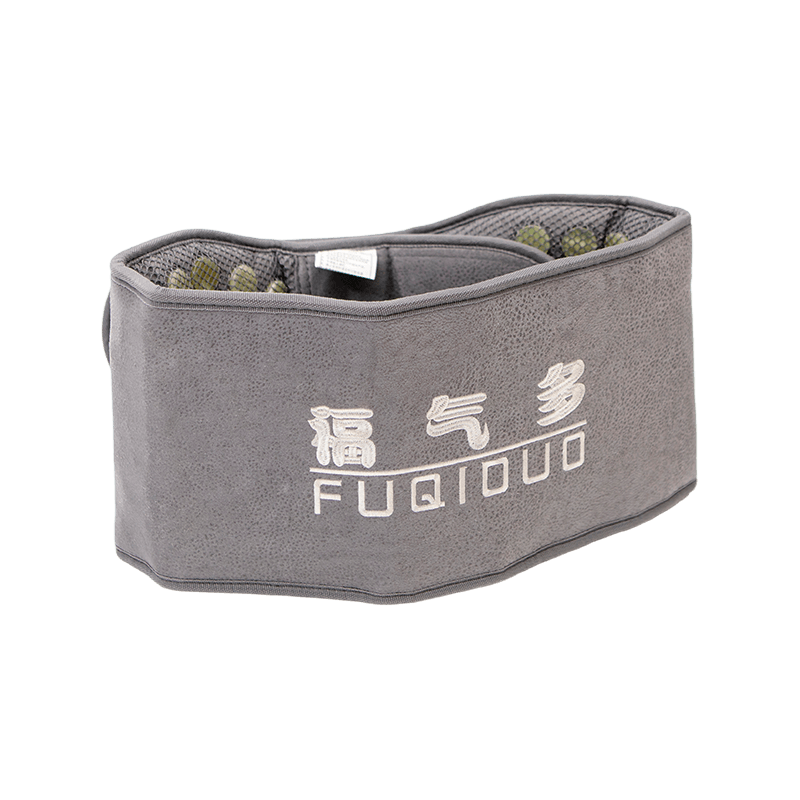
A thermal waist belt can be a valuable tool for managing discomfort, enhancing relaxation, and supporting an active lifestyle. By understanding its benefits, key features like safety controls and material quality, and specific applications—from finding the best thermal waist belt for lower back pain to learning how to clean and maintain a thermal waist belt—you can choose a product that truly meets your needs. Remember to prioritize safety, follow usage guidelines, and consult a healthcare professional for persistent pain. As technology advances, driven by innovators dedicated to quality and well-being, the future of personalized heat therapy looks promising.
References
[1] Nadler, S. F., Weingand, K., & Kruse, R. J. (2004). The Physiologic Basis and Clinical Applications of Cryotherapy and Thermotherapy for the Pain Practitioner. Pain Physician, 7(3), 395–399. This article outlines the physiological mechanisms of heat therapy, including vasodilation and its effects on blood flow and muscle tone.
 View More
- +86 188 5837 6736
- [email protected]
- 576 Yunsi West Road, Dayun Town, Jiashan County, Jiaxing City, Zhejiang Province
- Temperature Control Energy Pad
- Temperature-Controlled Energy Cushion
- Temperature Control Energy Belt
- Temperature Control Energy Abdominal Pad
- Temperature-Controlled Energy-Saving Cervical Pillow
- Temperature-Controlled Energy-Saving Lumbar Pillow
- Temperature Control Energy Spinal Pillow
- Electric Cloak (Shoulder And Neck Vest)
- Temperature-Controlled Energy Knee Pads
- Temperature-Controlled Energy-Saving Foot Warmer
- Temperature Control Energy Mattress
- Temperature Control Mattress
Copyright © Jiaxing Fuqiduo Thermal Bed Co., Ltd. All rights reserved.
Wholesale Therapeutic Mattresses Company
 The information provided on this website is intended for use only in countries and jurisdictions outside of the People's Republic of China.