
 EN
EN
 English
 Español
 عربى
عربى

How Does a Heated Massage Apparatus Improve Muscle Relaxation Compared to Non-Heated Models?
Jan 20,2026
Content
The Foundational Role of Heat in Therapeutic Massage
For centuries, heat has been a cornerstone of therapeutic practices aimed at relieving pain and inducing relaxation. The integration of heat into modern massage technology represents a significant evolution from traditional methods. A heated massage apparatus is not merely a massager that gets warm; it is a sophisticated device designed to deliver consistent, penetrating heat concurrently with mechanical manipulation. This combination targets the human body's physiological responses in a way that non-heated models cannot replicate. The core principle lies in the body's reaction to thermal energy: heat causes blood vessels to dilate, a process known as vasodilation. This expansion increases blood flow to the targeted muscles, delivering a surge of oxygen and essential nutrients while accelerating the removal of metabolic waste products like lactic acid. This process is crucial for preparing tight, stiff, or fatigued muscles for deeper therapeutic work, making the subsequent mechanical massage more effective and comfortable. In contrast, a non-heated model begins its work on muscles that may still be in a state of tension and reduced circulation, which can sometimes lead to initial discomfort or a longer period required to achieve a state of relaxation. The pre-warming effect of a heated device essentially "primes" the muscle tissue, transforming the massage experience from a primarily surface-level manipulation to a profound, tissue-deep therapeutic intervention. This foundational benefit is why many users report a more immediate and noticeable sense of relief when using a device that incorporates heat, as it addresses both the symptoms of muscle tightness and some of the underlying circulatory causes.
Key Mechanisms: How Heat and Vibration Synergize
The superiority of a heated massage apparatus emerges from the powerful synergy between thermal and mechanical energy. Understanding this synergy requires examining the separate and combined effects on muscle physiology.
Physiological Effects of Penetrating Heat
The heat generated by these devices is typically regulated to a safe, therapeutic range, designed to penetrate several layers of soft tissue. Its primary effects are multifold:
- Increased Tissue Elasticity: Heat reduces the viscosity of collagen, the primary protein in connective tissues like fascia, tendons, and ligaments. This makes these tissues more pliable and less resistant to stretching, allowing the massage nodes to work more effectively and reducing the risk of strain from the mechanical pressure.
- Pain Gate Theory Activation: The sensation of heat stimulates sensory receptors in the skin, which can help to "close the gate" on the transmission of pain signals to the brain. This mild sensory distraction can reduce the perception of deep muscle soreness during a vigorous massage.
- Metabolic Rate Increase: The localized warming of muscle tissue elevates its metabolic rate, enhancing the biochemical processes necessary for repair and recovery.
Amplification of Mechanical Massage Benefits
When mechanical kneading, percussion, or rolling is applied to pre-warmed and more elastic tissue, the benefits are amplified. The massage components can reach deeper muscle layers with less perceived intensity, breaking up adhesions and knots more efficiently. The combined effect ensures that the increased blood flow from the heat is actively circulated by the massaging action, creating a potent cycle of relief. This is particularly evident when considering benefits of heated percussion therapy for deep tissue. Percussion, a rapid, tapping-style massage, is highly effective for deep muscle stimulation but can be intense on cold, tight muscles. The pre-application of heat allows the rapid pulses to penetrate more comfortably and deeply, making the therapy more accessible and effective for chronic back tension or large muscle groups like the quadriceps and glutes.
Direct Comparative Analysis: Heated vs. Non-Heated Massage Devices
To clearly illustrate the practical differences, a direct comparison across key performance and experience metrics is essential. The following analysis outlines how heated models typically outperform their non-heated counterparts in several critical areas related to muscle relaxation and recovery.
| Feature | Heated Massage Apparatus | Non-Heated Massage Model |
|---|---|---|
| Initial Muscle Engagement | Rapid relaxation due to vasodilation; muscles are "prepped" for deeper work. | Slower engagement; muscles may initially resist pressure, requiring a longer warm-up period through massage alone. |
| Pain Relief Speed & Quality | Often provides faster relief from aches and stiffness by addressing circulation and tissue elasticity simultaneously. | Pain relief is dependent solely on mechanical manipulation, which may take longer to achieve similar results. |
| Effectiveness on Chronic Stiffness | Superior for chronic conditions like frozen shoulder or arthritis, where heat is crucial for loosening stiff joints and connective tissue. | May be less effective or uncomfortable when used on areas with chronic stiffness or reduced mobility without prior external heating. |
| Post-Exercise Recovery | Ideal for recovery; heat promotes waste removal while massage soothes muscle fibers, reducing Delayed Onset Muscle Soreness (DOMS). | Effective for working out knots but lacks the metabolic boost that aids in the cellular recovery process. |
| Overall Relaxation Depth | Promotes a deeper sense of physical and mental relaxation by engaging the parasympathetic nervous system more comprehensively. | Provides physical relief, but the relaxing effect may not feel as immersive or full-body as with integrated heat. |
From this comparison, it becomes clear that while non-heated devices are capable tools, a heated apparatus offers a more holistic and physiologically targeted approach. For instance, a user seeking relief from lower back pain might find a non-heated massager helpful in kneading the area, but a heated model would additionally soothe the underlying muscle spasms and improve blood flow to the region, potentially leading to longer-lasting relief. This multifaceted approach is what defines the modern heated massage apparatus experience.
Addressing Specific User Needs and Conditions
The advantages of heat integration become particularly pronounced when addressing specific muscular conditions and user scenarios. Different needs call for tailored therapeutic approaches, which heated devices are uniquely equipped to provide.
Relief for Arthritis and Joint Stiffness
For individuals dealing with arthritis or general joint stiffness, the application of moist heat is often a recommended therapy. A heated massage apparatus for arthritis pain relief combines this recommendation with the benefits of massage. The warmth helps to reduce joint stiffness and pain by improving synovial fluid circulation and decreasing muscle guarding around the affected joint. The gentle massage can then work to maintain range of motion without causing the discomfort that might arise from manipulating a cold, inflamed joint. This makes it a valuable tool for managing daily discomfort and maintaining mobility, offering a non-invasive option for temporary symptom alleviation.
Targeting Upper Back and Neck Tension
The upper back and neck are common sites for stress-induced tension, often resulting in knots and trigger points. A heated neck and shoulder massager with adjustable warmth is specifically designed to address this complex area. The adjustable warmth feature is critical, as it allows users to find a temperature that is soothing without being overwhelming for the sensitive skin and muscles of the neck. The combination of heat and focused massage helps to release the trapezius and levator scapulae muscles, which are frequently locked in a state of tension. The heat aids in softening these often-rock-hard knots, allowing the massage nodes to gradually release them, thereby alleviating associated headaches and restoring a freer range of head movement.
Enhancing Athletic Recovery
Athletes and fitness enthusiasts push their muscles to the limit, leading to micro-tears and inflammation as part of the strengthening process. Effective recovery is paramount. This is where understanding the difference between heated and regular massage guns for recovery is key. A regular massage gun (percussive therapy device) is excellent for targeting specific muscle groups to increase blood flow and reduce tightness. However, a heated massage gun adds the crucial element of thermal therapy. The heat penetrates deeper to soothe the inflamed muscle fibers more effectively, potentially speeding up the repair process. It can be particularly beneficial when used on larger leg muscles after intense training, where the dual action of heat and percussion works to minimize DOMS and prepare the muscles for the next workout session. The integrated approach addresses both the muscular soreness and the underlying tissue inflammation.
Practical Considerations and Optimal Usage
To maximize the benefits and ensure safety, understanding how to properly use a heated massage device is essential. Optimal results are achieved through correct application, timing, and an awareness of best practices.
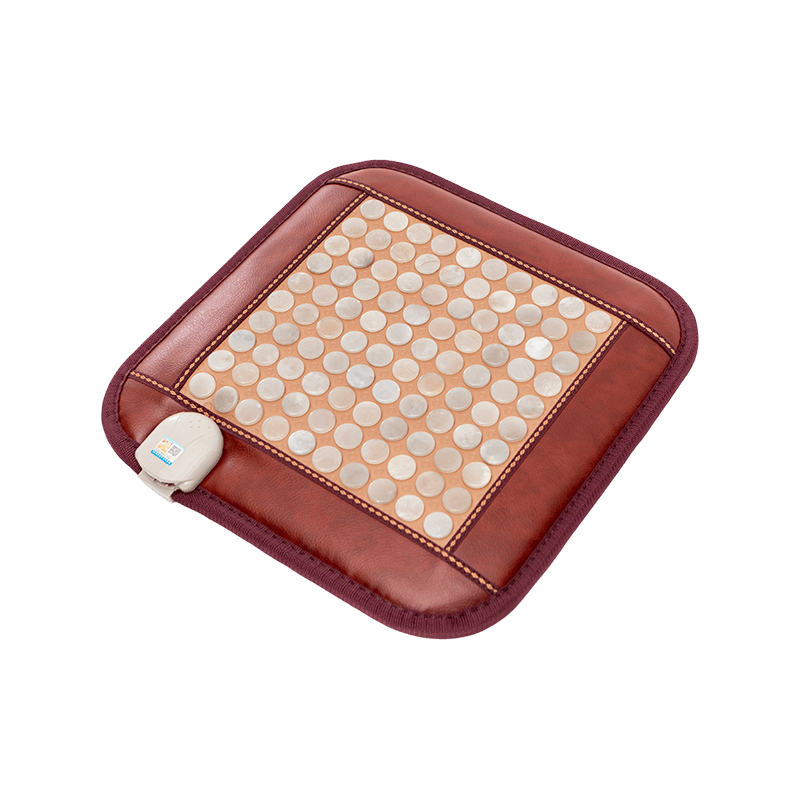
Ideal Session Duration and Temperature Settings
More is not always better. For a portable heated massager for lower back pain, a session of 15 to 20 minutes is typically sufficient. Prolonged exposure to heat on a single area can lead to skin irritation or, paradoxically, increased inflammation. Most devices offer multiple temperature settings. It is advisable to start on a low or medium setting to allow the body to acclimate, especially if new to heat therapy. The goal is to feel a gentle, penetrating warmth, not an intense, burning sensation. The massage function can often be used independently of the heat, allowing for flexibility—using heat to prepare the muscles first, then switching to a combination mode, or using only vibration after an initial warm-up period. Listening to your body's response is the most important guideline.
Safety Protocols and Contraindications
While highly beneficial, heat therapy is not suitable for all situations. Critical safety guidelines must be followed:
- Avoid Acute Injuries: Never use heat on a fresh injury (within the first 48 hours), swelling, or bruises. Heat can increase bleeding and inflammation. For acute injuries, the R.I.C.E. (Rest, Ice, Compression, Elevation) protocol is standard.
- Check Skin Sensitivity: Do not use on areas with broken skin, rashes, or reduced sensation (neuropathy).
- Medical Conditions: Individuals with certain conditions like deep vein thrombosis, diabetes, or vascular diseases should consult a healthcare professional before using a heated massager.
- Hydration: Heat therapy can be dehydrating. Ensure you are well-hydrated before and after use.
By adhering to these practical considerations, users can safely integrate a heated massage apparatus into their wellness routine, harnessing its full potential for muscle relaxation, pain relief, and enhanced recovery, thereby making an informed choice that clearly favors its added benefits over non-heated models for most therapeutic scenarios.
 View More
- +86 188 5837 6736
- [email protected]
- 576 Yunsi West Road, Dayun Town, Jiashan County, Jiaxing City, Zhejiang Province
- Temperature Control Energy Pad
- Temperature-Controlled Energy Cushion
- Temperature Control Energy Belt
- Temperature Control Energy Abdominal Pad
- Temperature-Controlled Energy-Saving Cervical Pillow
- Temperature-Controlled Energy-Saving Lumbar Pillow
- Temperature Control Energy Spinal Pillow
- Electric Cloak (Shoulder And Neck Vest)
- Temperature-Controlled Energy Knee Pads
- Temperature-Controlled Energy-Saving Foot Warmer
- Temperature Control Energy Mattress
- Temperature Control Mattress
Copyright © Jiaxing Fuqiduo Thermal Bed Co., Ltd. All rights reserved.
Wholesale Therapeutic Mattresses Company
 The information provided on this website is intended for use only in countries and jurisdictions outside of the People's Republic of China.