
 EN
EN
 English
 Español
 عربى
عربى

Can a thermal therapy mat Improve Circulation and Muscle Recovery?
Jan 14,2026
In recent years, demand for non-invasive recovery devices such as the thermal therapy mat has accelerated as professionals and end-users seek scientifically grounded solutions for circulation enhancement and muscle recovery. According to the latest report by Market Research Future, the global heat therapy market is projected to grow steadily through 2025, reflecting widening adoption of thermal modalities across clinical, sports, and home care segments.
Source: Market Research Future – Heat Therapy Market Size, Growth, Trends, Report 2035
Content
- 1 Introduction to Thermal Therapy
- 2 Mechanisms: How a Thermal Therapy Mat Works
- 3 Scientific Evidence for Circulation Improvement
- 4 Effects on Muscle Recovery
- 5 Choosing the Right Thermal Therapy Mat for Post Workout Recovery
- 6 Comparison Between At-Home and Clinical Thermal Tools
- 7 Integration with Wellness Programs
- 8
- 9 FAQs
Introduction to Thermal Therapy
Thermal therapy mats utilize controlled heat to improve blood flow, relax muscles, and support recovery after physical exertion. Modern devices combine premium materials such as Xiuyan Jade with smart thermal regulation technology, delivering consistent and deep tissue heat. As a Zhejiang-based high-tech enterprise, Jiaxing Fuqiduo Thermal Bed Co., Ltd. specializes in thermo-regulated jade mattresses and beaded mats, with over 80 patents and certifications including ISO 9001 and China Compulsory Certification.
Mechanisms: How a Thermal Therapy Mat Works
- Heat application increases local tissue temperature, inducing vasodilation and improving capillary blood flow.
- Heat relaxes connective tissue and reduces muscle stiffness, contributing to accelerated recovery.
- Infrared heat penetrates deeper tissue layers than traditional dry heat mats, enhancing cellular metabolism.
Heat Delivery Modalities
| Modality | Primary Effect | Use Case |
| Dry Heat Mats | Surface warming and sustained heat retention | Chronic stiffness, overall comfort |
| Infrared Mats | Deeper tissue penetration up to ~5 cm | Targeted muscle recovery and circulation enhancement |
| Moist Heat Packs | Superficial heating with hydration factor | Soft tissue relaxation |
Scientific Evidence for Circulation Improvement
Controlled thermal exposure stimulates vasodilation, facilitating increased perfusion of oxygen and nutrients to stressed tissues. Infrared thermal therapy mat benefits circulation by promoting microcirculation, which supports faster recovery and reduced muscle fatigue. Studies indicate that passive localized heat protocols can measurably increase blood flow and tissue temperature when applied consistently.
Source: European Journal of Applied Physiology – Thermal Therapy and Neuromuscular Function
Effects on Muscle Recovery
Metabolic and Cellular Responses
- Elevated temperature accelerates enzymatic reactions, supporting metabolic recovery.
- Heat reduces pain perception by modulating neural nociceptive pathways.
Thermal Therapy vs Passive Rest
| Criterion | Thermal Therapy Recovery | Passive Rest |
| Blood Flow | Accelerated through vasodilation | Baseline levels |
| Muscle Temperature | Elevated for sustained periods | Returns to baseline |
| Pain Perception | Reduced via heat-mediated neural modulation | No direct change |
Choosing the Right Thermal Therapy Mat for Post Workout Recovery
Consider factors such as thermal range, construction materials, regulatory compliance, and safety certifications. ISO 13485 standards provide guidance for medical device quality management, ensuring reliability and safety in clinical and home use.
Comparison Between At-Home and Clinical Thermal Tools
| Feature | At-Home Mat | Clinical Thermal Unit |
| Accessibility | Direct home deployment | Requires clinical supervision |
| Customization | User-controlled settings | Protocol-led by professionals |
| Thermal Depth | Moderate to deep (infrared) | Precise and regulated |
Integration with Wellness Programs
According to industry forecasts, the heat therapy segment, including home use thermal therapy mat for blood flow, continues to expand, reflecting rising interest in self-managed wellness solutions and post-exercise recovery. Jiaxing Fuqiduo Thermal Bed Co., Ltd. continues to innovate in this space, combining premium Xiuyan Jade with smart thermal technology for optimal efficacy.
Source: Market Research Future – Heat Therapy Market Size, Growth, Trends, Report 2035
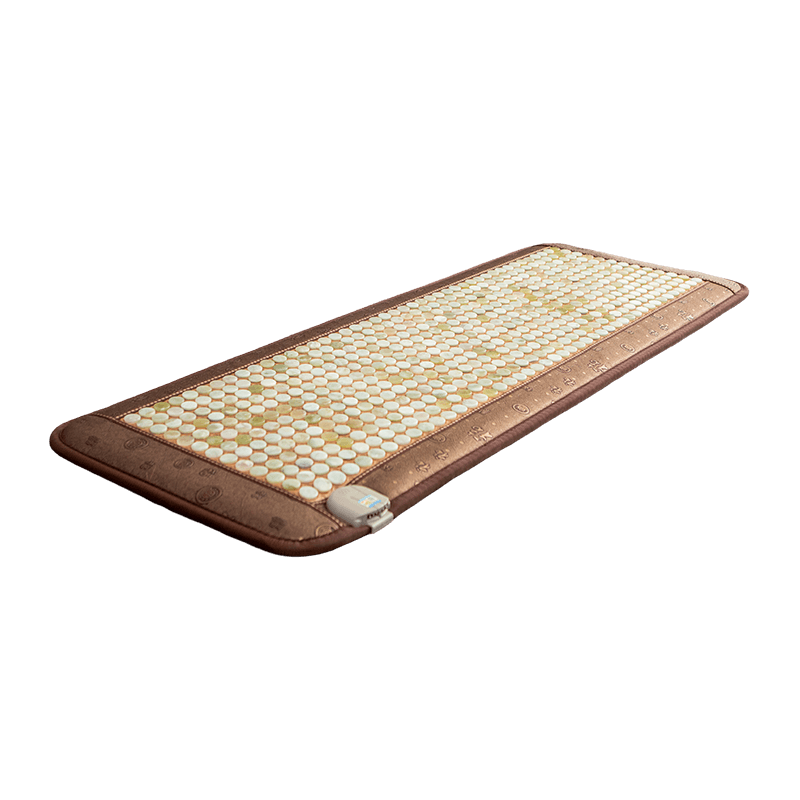
A well-designed thermal therapy mat, including models for deep tissue recovery, provides measurable benefits for circulation enhancement and muscle recovery. Integrating evidence-based usage with regulatory compliance and safety standards ensures reliable performance for both home and professional applications.
FAQs
- What temperature range is recommended for a thermal therapy mat?
The optimal temperature range for a thermal therapy mat is generally between 40°C and 45°C. This range ensures effective vasodilation and improved blood flow while minimizing the risk of burns or discomfort. Users should follow the device manufacturer’s guidelines for safe operation.
- Can a thermal therapy mat be used daily?
Yes, a home use thermal therapy mat for blood flow can be used daily. It is recommended to limit each session to 20-40 minutes and allow sufficient recovery between sessions to prevent overheating and ensure optimal circulation and muscle recovery.
- Is deep tissue recovery better with infrared vs dry heat mats?
Infrared mats, such as thermal therapy mat deep tissue recovery models, penetrate deeper into muscles (up to 3-5 cm) compared to standard dry heat mats. This deeper penetration facilitates enhanced blood flow and accelerates recovery of sore or fatigued muscles, making infrared mats more effective for targeted therapy.
- Do thermal mats help with post-workout muscle soreness?
Yes, best thermal therapy mat for muscle recovery devices can help reduce post-exercise soreness. The applied heat increases local circulation, relaxes muscles, and supports metabolic recovery, which collectively reduces the feeling of stiffness and accelerates the recovery process.
- Are there industry standards for therapeutic thermal devices?
Yes, therapeutic thermal devices like infrared thermal therapy mat benefits circulation models should comply with recognized quality and safety standards, such as ISO 13485 for medical devices. Compliance ensures reliability, consistent performance, and safe use in both home and professional settings.
 View More
- +86 188 5837 6736
- [email protected]
- 576 Yunsi West Road, Dayun Town, Jiashan County, Jiaxing City, Zhejiang Province
- Temperature Control Energy Pad
- Temperature-Controlled Energy Cushion
- Temperature Control Energy Belt
- Temperature Control Energy Abdominal Pad
- Temperature-Controlled Energy-Saving Cervical Pillow
- Temperature-Controlled Energy-Saving Lumbar Pillow
- Temperature Control Energy Spinal Pillow
- Electric Cloak (Shoulder And Neck Vest)
- Temperature-Controlled Energy Knee Pads
- Temperature-Controlled Energy-Saving Foot Warmer
- Temperature Control Energy Mattress
- Temperature Control Mattress
Copyright © Jiaxing Fuqiduo Thermal Bed Co., Ltd. All rights reserved.
Wholesale Therapeutic Mattresses Company
 The information provided on this website is intended for use only in countries and jurisdictions outside of the People's Republic of China.