
 EN
EN
 English
 Español
 عربى
عربى

The Ultimate Guide to Temperature Control Energy Belts and Advanced Thermoregulation
Jan 08,2026
In the pursuit of optimal wellness and comfort, the concept of precise temperature management has moved beyond simple heating and cooling. At the forefront of this innovation is the temperature control energy belt, a technology that promises personalized thermal therapy. This guide delves deep into the mechanics, benefits, and applications of this technology, exploring how it leverages materials like natural jade and smart systems to deliver targeted comfort and potential energy savings.
Content
Understanding Temperature Control Technology
Modern temperature control energy belt systems are sophisticated devices designed to maintain a consistent, user-defined temperature within a specific zone. Unlike traditional heating pads or electric blankets that simply generate warmth, these systems focus on regulation—automatically adjusting output to achieve and hold a set point. This prevents overheating and ensures a stable therapeutic environment.
Core Components of an Energy Belt System
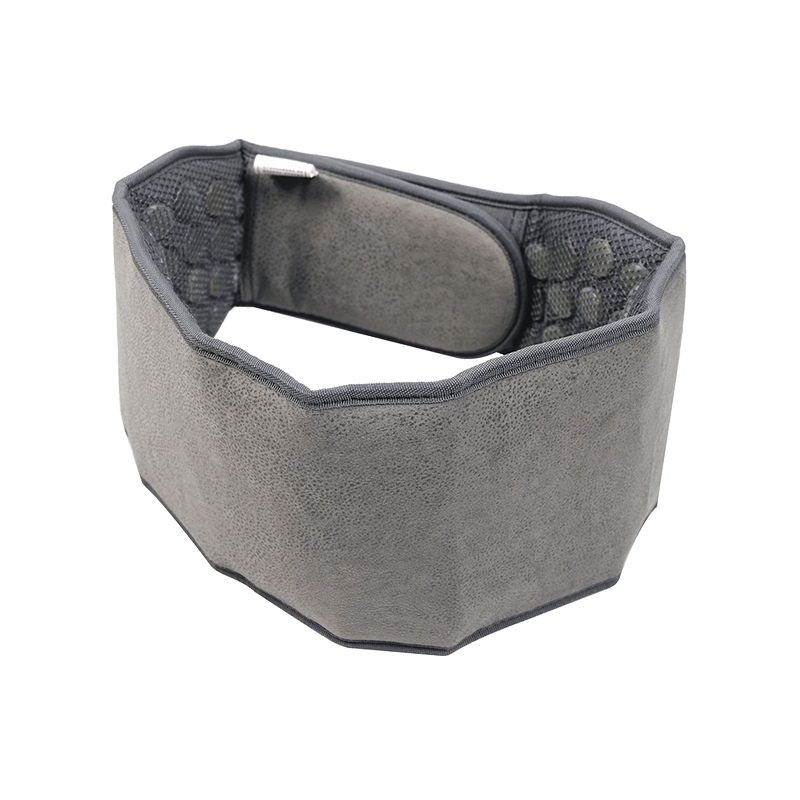
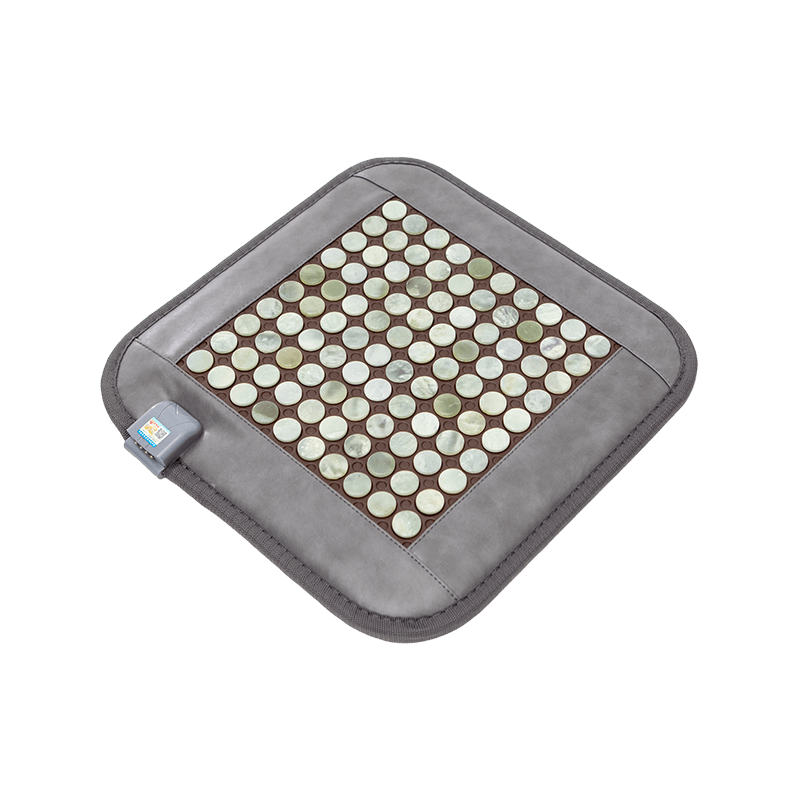
- Thermal Core: Often made of materials with high thermal conductivity and capacity, such as natural jade beads or ceramic elements, which store and distribute heat evenly.
- Smart Controller: A microprocessor that allows users to set precise temperatures and programs, often via digital interfaces.
- Sensor Network: Embedded sensors that continuously monitor surface temperature, providing real-time feedback to the controller.
- Energy-Efficient Heating Elements: Low-voltage, radiant heating systems that convert energy into heat with minimal waste.
- Insulating Layer: Surrounding materials that direct the thermal energy toward the body and improve efficiency.
How It Promotes Energy Efficiency
The "energy" in temperature control energy belt refers not just to perceived vitality but to electrical efficiency. By maintaining a precise temperature rather than cycling on and off at full power, these systems avoid the energy spikes common in conventional heaters. For instance, a belt maintaining a steady 40°C uses significantly less cumulative energy than a simple pad cycling between 30°C and 50°C. This makes understanding the energy-saving benefits of programmable temperature belts crucial for both personal cost savings and environmental consideration.
Key Applications and Health Benefits
The application of localized, controlled heat has been a cornerstone of wellness practices for centuries. Modern energy belts systematize this practice, offering targeted relief and relaxation.
Targeted Muscle and Joint Relief
One of the most sought-after uses is for managing discomfort. Consistent, penetrating warmth helps increase blood flow, reduce muscle stiffness, and soothe aching joints. This targeted approach is often more effective than whole-body heating.
Comparing Application Methods:
While general heat wraps provide warmth, a temperature control energy belt offers superior consistency and safety.
| Feature | General Heat Wrap | Programmable Energy Belt |
| Temperature Consistency | Fluctuates, often gets hotter over time | Remains at a steady, user-set level |
| Safety Controls | Basic, often manual on/off | Auto-shutoff, overheat protection |
| Therapy Duration | Limited (1-2 hours typically) | Can be programmed for extended, safe use |
| Customization | Minimal to none | Precise temperature & timing programs |
Enhancing Relaxation and Sleep Quality
Applying gentle warmth to the core or lower back before sleep can signal the body to relax, easing the transition into rest. This addresses a common need for a low-temperature therapy belt for improved sleep. The key is using a lower, soothing temperature range (typically 35-40°C) that comforts without causing overheating, which can disrupt sleep cycles.
Innovative Materials: The Role of Natural Jade
The efficacy of a thermal system is heavily dependent on its core material. Natural jade, particularly from renowned sources like Xiuyan, has emerged as a premier component in high-quality thermoregulation products.
Why Jade is Superior for Thermotherapy
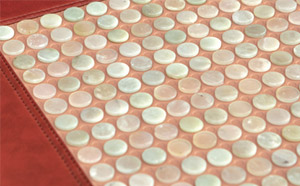
- Excellent Thermal Conductivity: Jade absorbs heat from the heating element efficiently and distributes it evenly across its surface, eliminating hot spots.
- High Heat Capacity: It retains warmth for an extended period, allowing the system to use less active heating power to maintain temperature.
- Natural Composition: As a mineral, it provides a stable, non-toxic, and hypoallergenic thermal medium.
- Traditional Wellness Heritage: Jade has been valued in various cultures for centuries for its perceived soothing and balancing properties.
Companies like Fuqiduo, with over 80 patents and a focus on innovating wellness solutions through quality craftsmanship, integrate this premium Xiuyan Jade with smart technology. This fusion creates products that are not only effective but also embody a commitment to material excellence and innovative design, a principle that extends to their social initiatives like the Fuqiduo Love School.
Material Comparison for Thermal Cores
Choosing the right material impacts performance, safety, and feel. Here’s how common materials compare.
| Material | Thermal Conductivity | Heat Retention | Comfort & Feel |
| Natural Jade | High (Distributes heat evenly) | Excellent (Long-lasting warmth) | Smooth, solid, premium |
| Ceramic | Moderate to High | Good | Hard, can feel brittle |
| Gel Packs | Low (Heat remains close to element) | Poor (Cools quickly) | Squishy, can feel damp |
| Standard Fabric | Very Low | Poor | Soft, but may have hot spots |
Choosing the Right System for Your Needs
With various options available, selecting an effective temperature control energy belt requires careful consideration of several factors beyond basic heating.
Critical Features to Evaluate
- Precision Temperature Range: Look for systems offering a wide range (e.g., 30-50°C) with 1-degree increments for fine-tuned therapy.
- Programmable Timer & Modes: Essential for convenience and safety, allowing you to set therapy duration and automatic shut-off.
- Safety Certifications: Ensure the product has relevant electrical safety certifications (like CE, RoHS) and features like overheat protection.
- Material Quality: Prioritize belts using natural, high-conductivity materials like jade beads for even, lasting warmth.
- Ease of Use & Maintenance: Consider the controller interface and whether the belt cover is removable and washable.
Addressing Specific User Requirements
Different lifestyles and needs call for specialized features. For example, an adjustable heat belt for lower back pain relief at home might prioritize a wider, contoured design and higher maximum temperature. Conversely, someone seeking an ergonomic heated belt for all-day office comfort would need a slim, discreet design that fits under clothing and operates quietly at lower temperatures. For therapeutic use, verifying the safety features of medical-grade heating belts—such as dual temperature sensors and medical equipment listings—is non-negotiable.
Maximizing Benefits and Best Practices
To safely and effectively integrate a temperature control belt into your wellness routine, follow these guidelines.
Optimal Usage Protocols
- Start Low, Go Slow: Begin at a lower temperature setting (35-38°C) for 15-20 minutes to assess comfort.
- Hydrate: Drink water before and after use, as heat therapy can promote sweating and fluid loss.
- Direct Skin Contact? Follow manufacturer instructions. Some belts are designed for use over thin clothing to prevent irritation.
- Post-Therapy Care: Allow the body to cool down naturally after a session; avoid immediate exposure to cold drafts.
Maintenance for Longevity
- Always unplug the unit before cleaning.
- Wipe the thermal core surface with a slightly damp cloth. Do not immerse in water.
- If applicable, remove and machine-wash the fabric cover on a gentle cycle, air drying thoroughly.
- Store the belt loosely coiled in a cool, dry place, avoiding sharp bends in the wiring.
Frequently Asked Questions (FAQs)
1. How does a temperature control energy belt differ from a regular heating pad?
A regular heating pad typically provides a constant, unregulated level of heat that can fluctuate and risk overheating. A temperature control energy belt uses sensors and a microprocessor to maintain a precise, user-selected temperature consistently and safely, offering a more therapeutic and energy-efficient experience.
2. Can I use a temperature control belt while sleeping?
This depends entirely on the specific product's design and safety features. Many belts designed for sleep, like those promoting low-temperature therapy belt for improved sleep, have programmable timers (e.g., 30-90 minutes) and automatic shut-off to ensure safe use. Never use a belt not explicitly designed with sleep-safe features overnight.
3. Are these belts safe for everyone to use?
While generally safe, individuals with certain conditions (e.g., diabetes, neuropathy, circulatory issues, or reduced sensitivity to heat) should consult a healthcare professional before use. Always look for belts with comprehensive safety features of medical-grade heating belts, such as overheat protection and regulated low-voltage operation.
4. What are the real energy-saving benefits?
The energy-saving benefits of programmable temperature belts come from their precision. By avoiding the high-power cycles of simple on/off devices and maintaining a steady temperature with efficient materials like jade, they consume less electricity over time, which can lower utility bills and reduce environmental impact.
5. How do I choose the right belt for lower back pain?
Look for an adjustable heat belt for lower back pain relief at home that is wide enough to cover the affected area, offers a sufficient heat range (up to at least 45-50°C for therapeutic warmth), has multiple heat settings, and includes safety timers. Ergonomic designs that contour to the body can provide better contact and more effective relief.
 View More
- +86 188 5837 6736
- [email protected]
- 576 Yunsi West Road, Dayun Town, Jiashan County, Jiaxing City, Zhejiang Province
- Temperature Control Energy Pad
- Temperature-Controlled Energy Cushion
- Temperature Control Energy Belt
- Temperature Control Energy Abdominal Pad
- Temperature-Controlled Energy-Saving Cervical Pillow
- Temperature-Controlled Energy-Saving Lumbar Pillow
- Temperature Control Energy Spinal Pillow
- Electric Cloak (Shoulder And Neck Vest)
- Temperature-Controlled Energy Knee Pads
- Temperature-Controlled Energy-Saving Foot Warmer
- Temperature Control Energy Mattress
- Temperature Control Mattress
Copyright © Jiaxing Fuqiduo Thermal Bed Co., Ltd. All rights reserved.
Wholesale Therapeutic Mattresses Company
 The information provided on this website is intended for use only in countries and jurisdictions outside of the People's Republic of China.