
 EN
EN
 English
 Español
 عربى
عربى

Mastering Temperature Control for Energy, Wellness, and Sustainable Living
Jan 02,2026
In our pursuit of health, comfort, and efficiency, the concept of temperature control emerges as a fundamental principle. It transcends simple heating and cooling, evolving into a sophisticated energy belt strategy that optimizes energy flow and conservation around living spaces and the human body. This intelligent management of thermal energy is pivotal for enhancing personal wellness, achieving home energy efficiency, and promoting sustainable living. This article delves into the science and application of advanced temperature regulation, exploring its benefits across various domains.
Content
- 1 The Science Behind Intelligent Thermal Regulation
- 2 Core Applications: From Personal Wellness to Home Efficiency
- 3 Addressing Specific Needs: Solutions for Common Challenges
- 4 The Future and Broader Impact
- 5
- 6 Frequently Asked Questions (FAQs)
- 6.1 1. What exactly is meant by "temperature control energy belt" in wellness products?
- 6.2 2. How does a temperature regulating mattress pad differ from a cooling mattress topper?
- 6.3 3. Can using a low energy consumption heated chair really save on electricity bills?
- 6.4 4. Are portable heated seats safe to use?
- 6.5 5. How does thermal zoning contribute to a home energy savings plan?
- 7 References
The Science Behind Intelligent Thermal Regulation
At its core, intelligent temperature control is about maintaining a desired thermal state with minimal energy input. It involves materials and systems that can absorb, store, and release heat in response to environmental changes or user needs. This dynamic process creates a stable "comfort zone," reducing the constant demand on active heating or cooling systems. The principle mimics the body's own homeostasis, where blood flow is regulated to maintain core temperature. Applied externally, it forms a protective and regulating energy belt, crucial for both product innovation and architectural design.
Key Mechanisms of Action
Phase Change Materials (PCMs)
- Substances that absorb or release large amounts of latent heat during phase transitions (e.g., solid to liquid).
- Used in building materials and textiles to buffer against temperature fluctuations.
Thermal Conductivity & Insulation
- High-conductivity materials (like certain minerals) distribute heat evenly.
- Insulative materials create barriers to heat loss or gain, stabilizing the microclimate.
Radiant Heat Management
- Surfaces that reflect or emit infrared radiation to influence perceived warmth.
- Critical in designing energy-efficient homes and therapeutic products.
Core Applications: From Personal Wellness to Home Efficiency
The application of sophisticated temperature control technology spans from the personal scale of wellness products to the broad scale of home environmental management. Each application leverages the core idea of creating an efficient thermal energy belt.
Innovations in Sleep and Wellness Technology
The sleep environment is paramount for recovery. Advanced products now integrate natural materials with smart tech to create a personalized thermal microclimate. For instance, products utilizing premium natural minerals known for their thermal properties can be engineered with micro-ventilation or smart feedback systems. This allows for adaptive cooling or warming throughout the night, addressing issues like night sweats or cold discomfort. This approach directly tackles user queries for a temperature regulating mattress pad for hot sleepers and a cooling weighted blanket for summer use, providing solutions that go beyond standard materials.
Comparing Traditional vs. Advanced Thermo-Regulated Sleep Systems
The following table highlights the evolution in sleep technology, moving from passive solutions to active, intelligent systems.
| Feature | Traditional Systems (e.g., standard mattresses, conventional blankets) | Advanced Thermo-Regulated Systems (e.g., smart mineral-based mats, climate-controlled bedding) |
| Temperature Regulation | Passive; relies on room air temperature and material breathability. | Active & Adaptive; uses natural mineral properties or smart tech to absorb/release heat based on body needs. |
| Energy Efficiency | Low; often requires auxiliary heating/cooling (AC, electric blankets), increasing home energy use. | High; stabilizes the sleep microclimate, reducing reliance on room HVAC systems and saving energy. |
| Targeted Comfort | One-size-fits-all; cannot address individual thermal fluctuations. | Personalized; can cater to specific needs like cooling for hot sleepers or gentle warmth for others. |
Optimizing Home Energy Consumption
On a larger scale, applying the energy belt concept to home design is key to sustainability. This involves creating a thermal envelope that minimizes energy exchange with the outside environment. Effective strategies include high-performance insulation, smart thermostats, and thermal mass materials. A well-executed plan leads to a home energy savings plan with thermal zoning, where different areas of the house are maintained at different temperatures based on use, avoiding wasteful heating or cooling of unoccupied spaces. The initial investment in such systems pays off through significantly reduced utility bills and a lower carbon footprint.
Passive vs. Active Home Temperature Management Strategies
An optimal home energy strategy combines both passive design and active smart systems. The table below contrasts these approaches.
| Aspect | Passive Strategies (Building Envelope Focus) | Active Strategies (System & Tech Focus) |
| Primary Method | Insulation, window glazing, thermal mass, and strategic shading. | Smart thermostats, zoned HVAC systems, and energy recovery ventilators. |
| Upfront Cost | Moderate to High (integrated into construction/renovation). | Variable (can be retrofitted; tech costs are decreasing). |
| Long-term Benefit | Permanent reduction in heating/cooling load, less dependent on systems. | Precise control, adaptability to schedules, and system optimization. |
Addressing Specific Needs: Solutions for Common Challenges
Advanced temperature control is not a luxury but a solution for specific, often uncomfortable, challenges. By focusing on these areas, technology significantly improves quality of life.
Combatting Night Sweats and Overheating
For individuals seeking a temperature regulating mattress pad for hot sleepers, the solution lies in materials with high thermal capacity and moisture-wicking properties. These pads work by drawing excess heat away from the body and dissipating it, maintaining a cool, dry surface throughout the night. This is far more effective than simply lowering the room temperature, which can be inefficient and leave other areas of the body cold.
Maintaining Comfort in Warmer Seasons
The desire for a cooling weighted blanket for summer use presents a unique challenge: combining deep-pressure therapy with thermal regulation. Innovative designs use breathable covers filled with glass beads or other materials that have a naturally cool touch and do not retain heat like traditional polyester fibers. Some integrate phase-change material (PCM) threads that activate upon contact with heat, providing a temporary cooling sensation.
Efficient Heating for Personal Spaces
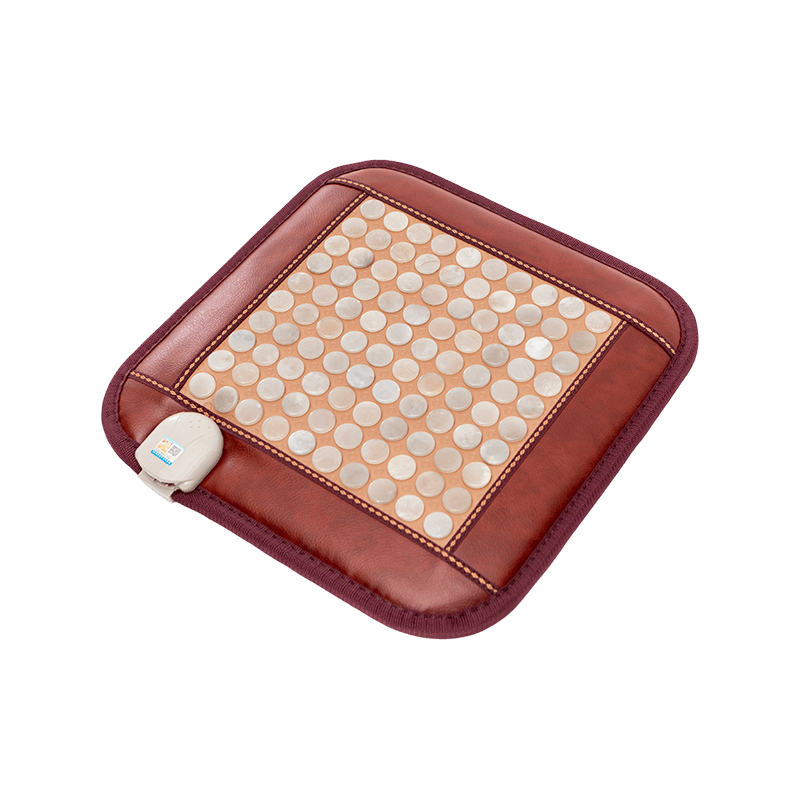
Instead of heating an entire room, targeted solutions like a low energy consumption heated office chair provide warmth exactly where it's needed. These chairs use efficient carbon fiber or graphene heating elements that warm up quickly and distribute heat evenly across the back and seat, consuming a fraction of the energy required by a space heater. This is the epitome of personal thermal zoning and efficient temperature control.
Extending Comfort to Outdoor and Mobile Settings
Technology now allows us to take our comfort zone outdoors. A portable heated stadium seat with adjustable warmth allows enthusiasts to enjoy events in cold weather comfortably. These devices typically use rechargeable batteries and multiple heat settings, providing a personal energy belt of warmth that is both convenient and efficient, eliminating the need for bulky clothing.
The Future and Broader Impact
The integration of smart technology with material science is pushing boundaries. Future trends include AI-driven climate systems that learn occupant behavior and biometric-responsive wearables that adjust temperature in real-time. Companies at the forefront, such as Fuqiduo, which specializes in thermo-regulated products combining premium natural minerals with smart technology and holds numerous patents, exemplify this innovation-driven approach. Their commitment extends beyond products to social welfare, as seen in initiatives like the Fuqiduo Love School, reflecting a holistic dedication to community and wellness [1]. The ultimate goal is a seamless, energy-efficient, and personalized thermal environment that enhances well-being and sustainability simultaneously.
Frequently Asked Questions (FAQs)
1. What exactly is meant by "temperature control energy belt" in wellness products?
It refers to the creation of a stable, personalized microclimate around the body or within a specific space. This "belt" or zone is maintained through materials that actively manage thermal energy—absorbing excess heat, releasing warmth as needed, and minimizing energy exchange with the surrounding environment. This leads to consistent comfort without constant external energy input.
2. How does a temperature regulating mattress pad differ from a cooling mattress topper?
While both aim to cool, a "regulating" pad is often more advanced. A simple cooling topper might use breathable materials for passive air circulation. A regulating pad, however, may incorporate phase-change materials (PCMs) or thermally conductive minerals that actively absorb and store body heat, providing a dynamic response to temperature changes throughout the night for more consistent comfort.
3. Can using a low energy consumption heated chair really save on electricity bills?
Yes, significantly. A typical space heater consumes 1500 watts to heat an entire room. An efficient heated chair uses between 50-100 watts to provide targeted warmth directly to your body. By allowing you to lower the overall room thermostat and using the chair for localized comfort, the energy savings can be substantial over time.
4. Are portable heated seats safe to use?
Modern portable heated seats are designed with multiple safety features, including automatic shut-off timers, overheat protection, and low-voltage operation from power banks. It is crucial to purchase products from reputable manufacturers that comply with relevant safety standards and to follow the user instructions regarding operation and battery care.
5. How does thermal zoning contribute to a home energy savings plan?
Thermal zoning involves dividing your home into areas with independent temperature controls (via dampers in ductwork or separate units). This allows you to heat or cool only occupied spaces (e.g., living room during the day, bedrooms at night) rather than the entire house. This strategic temperature control eliminates energy waste in unused rooms, directly reducing heating and cooling costs, which can account for over 50% of a home's energy use [2].
References
[1] Company profile and social commitment initiatives. Fuqiduo. (Note: This reference is based on the provided company introduction detailing their product specialization, patents, and philanthropic work).
[2] U.S. Department of Energy. "Heating and Cooling." Energy Saver Guide. (This is a representative citation for the common statistic that space heating and cooling is a major component of home energy use, widely cited in energy efficiency literature).
 View More
- +86 188 5837 6736
- [email protected]
- 576 Yunsi West Road, Dayun Town, Jiashan County, Jiaxing City, Zhejiang Province
- Temperature Control Energy Pad
- Temperature-Controlled Energy Cushion
- Temperature Control Energy Belt
- Temperature Control Energy Abdominal Pad
- Temperature-Controlled Energy-Saving Cervical Pillow
- Temperature-Controlled Energy-Saving Lumbar Pillow
- Temperature Control Energy Spinal Pillow
- Electric Cloak (Shoulder And Neck Vest)
- Temperature-Controlled Energy Knee Pads
- Temperature-Controlled Energy-Saving Foot Warmer
- Temperature Control Energy Mattress
- Temperature Control Mattress
Copyright © Jiaxing Fuqiduo Thermal Bed Co., Ltd. All rights reserved.
Wholesale Therapeutic Mattresses Company
 The information provided on this website is intended for use only in countries and jurisdictions outside of the People's Republic of China.