
 EN
EN
 English
 Español
 عربى
عربى

Temperature Control Mattress & Bead Mattress Guide
Mar 16,2026
Temperature control mattresses actively regulate the sleep surface temperature to maintain the optimal thermal environment for deep, restorative sleep — and among the available technologies, temperature control bead mattresses and energy-efficient water-circulation systems stand out as the most effective and practical solutions for home use. Research consistently shows that the ideal sleep surface temperature falls between 18°C and 22°C (64°F to 72°F), and deviations from this range are a leading cause of sleep disruption, nighttime waking, and reduced slow-wave sleep. Whether you are a hot sleeper, a cold sleeper, or sharing a bed with a partner whose thermal preferences differ from yours, a temperature control mattress or mattress topper provides measurable improvements in sleep quality that passive foam or spring mattresses simply cannot deliver.
Content
- 1 Why Sleep Temperature Matters More Than Most People Realize
- 2 Types of Temperature Control Mattresses and How They Work
- 3 Temperature Control Energy Mattress: Understanding Energy Efficiency
- 4 Temperature Control Bead Mattress: Deeper Look at PCM Technology
- 5 Comparing All Major Temperature Control Mattress Types
- 6 Who Benefits Most from a Temperature Control Mattress
- 7 How to Choose the Right Temperature Control Mattress
Why Sleep Temperature Matters More Than Most People Realize
The human body follows a circadian thermal rhythm: core body temperature naturally drops by approximately 1°C to 2°C in the two hours before sleep onset, and this cooling is both a trigger for and a facilitator of deep sleep. When the sleep environment is too warm, the body cannot complete this thermal drop efficiently, resulting in longer sleep onset latency, more frequent awakenings, and less time in slow-wave (N3) and REM sleep stages.
A 2019 study published in Science demonstrated that mild skin warming of just 0.4°C applied via a thermosuit significantly increased slow-wave sleep in older adults. Conversely, studies on heat stress during sleep show that ambient temperatures above 26°C reduce total sleep time by up to 45 minutes per night — a cumulative deficit that impairs cognitive function, metabolic health, and immune response over time. These findings establish a clear scientific basis for active sleep surface temperature management.
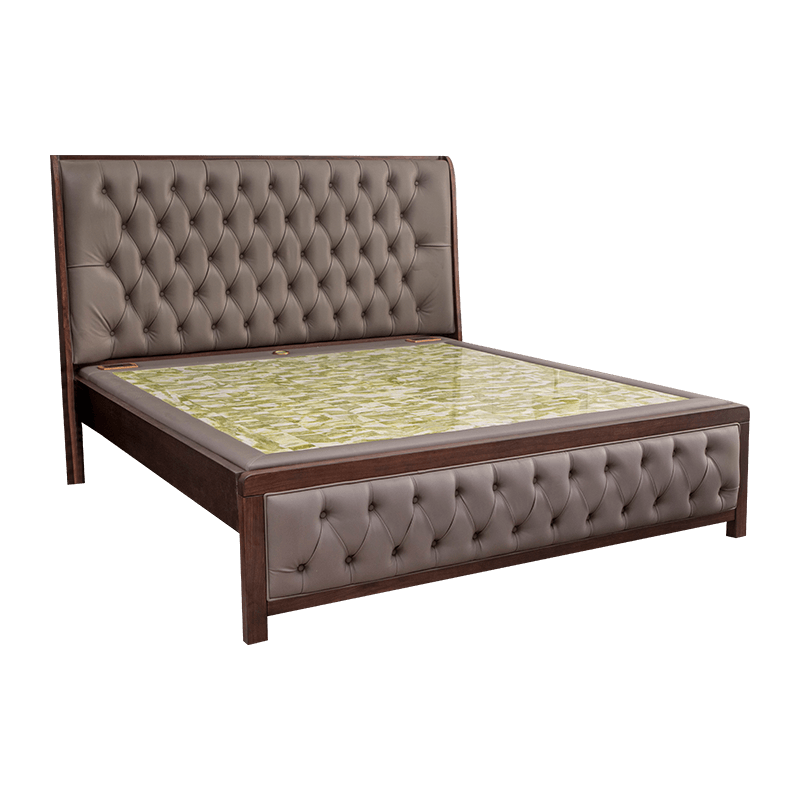
Types of Temperature Control Mattresses and How They Work
Temperature control mattresses and mattress toppers fall into several distinct technology categories, each with different mechanisms, performance characteristics, and energy requirements.
Water Circulation Temperature Control Mattresses
Water-based temperature control systems use a network of micro-tubes or channels embedded in a mattress pad or topper through which temperature-controlled water is continuously circulated by a bedside control unit. The control unit heats or cools the water to the user-set temperature — typically adjustable across a range of 15°C to 46°C (59°F to 115°F) depending on the system — and maintains it within ±0.5°C of the target. Because water has approximately 3,500 times the thermal conductivity of air, water-based systems transfer heat to or from the body far more efficiently than any passive or air-based solution.
Products like the Chilipad, Eight Sleep Pod, and BedJet use this or closely related principles. Dual-zone water systems allow each side of a king or queen bed to be independently controlled — a critical feature for couples with different thermal preferences, as surveys show over 60% of couples disagree on their ideal sleep temperature.
Temperature Control Bead Mattresses
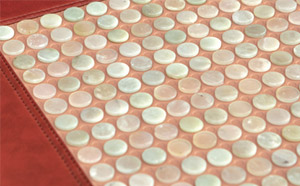
Temperature control bead mattresses incorporate phase change material (PCM) beads or microcapsules embedded within the mattress comfort layers or topper surface. PCM beads are typically made from paraffin wax or other organic compounds encapsulated in polymer shells at a diameter of 10 to 100 microns. These materials are engineered to absorb heat as they melt (at a pre-set transition temperature, commonly 23°C to 28°C) and release stored heat as they re-solidify — creating a passive buffering effect that moderates surface temperature fluctuations without any electrical energy input.
The thermal storage capacity of PCM beads is expressed as latent heat — typically 100 to 200 kJ/kg for paraffin-based PCMs — meaning a mattress topper containing 500g of PCM material can absorb up to 100 kJ of heat energy before becoming thermally saturated. In practical terms, this represents approximately 2 to 4 hours of effective temperature buffering during the critical first half of the night when body heat output is highest.
PCM bead mattresses are passive systems — they cannot actively cool or heat the sleeping surface beyond their phase change temperature range. They are best suited for sleepers who run moderately warm and seek passive cooling during the first sleep cycles, rather than those with extreme thermoregulation needs who require continuous active temperature control throughout the night.
Air-Flow and Fan-Based Mattress Systems
Some temperature control mattress systems use forced air circulation — a bedside unit draws air through perforated or open-cell foam layers in the mattress pad, creating continuous airflow beneath and around the sleeper's body. These systems are primarily cooling-focused, effective at dispersing moisture and reducing humidity at the sleep surface, but they provide less precise temperature control than water-based systems and can generate audible fan noise that disturbs light sleepers.
Electric Heated Mattress Pads
Electric heated mattress pads use resistive heating wires or carbon fiber heating elements embedded in a fabric layer. They provide effective warming for cold sleepers in winter but offer only heating — not cooling — making them a partial solution compared to bidirectional water or PCM systems. Modern variants include dual-zone controls, auto-shutoff timers, and foot-zone boost features. Power consumption for a queen-size heated mattress pad ranges from 80W to 200W depending on heat setting.
Temperature Control Energy Mattress: Understanding Energy Efficiency
The term "temperature control energy mattress" specifically refers to systems designed with energy efficiency as a primary engineering objective — minimizing electrical consumption while maintaining precise, continuous sleep surface temperature regulation. This is a meaningful distinction because some active temperature control systems are energy-intensive enough to have a noticeable impact on household electricity costs.
Energy Consumption by Technology Type
| Technology | Typical Power Draw | Energy per 8hr Night | Heating / Cooling |
|---|---|---|---|
| PCM Bead Mattress (passive) | 0W | 0 kWh | Passive cooling only |
| Electric Heated Mattress Pad | 80–200W | 0.64–1.6 kWh | Heating only |
| Air-Flow Fan System | 50–150W | 0.4–1.2 kWh | Cooling-focused |
| Water Circulation (thermoelectric) | 60–120W | 0.5–1.0 kWh | Heating and cooling |
| Water Circulation (compressor-based) | 200–500W | 1.6–4.0 kWh | Heating and cooling |
Thermoelectric (Peltier-based) water circulation systems represent the most energy-efficient active temperature control technology, achieving effective cooling without a compressor by using solid-state heat pumping. While their maximum cooling delta (typically limited to 10°C to 15°C below ambient) is less than compressor-based systems, they are sufficiently powerful for most sleeping environments and run quietly — a significant practical advantage over compressor units, which can generate 35 to 50 dB of operational noise.
Smart Energy Features in Modern Systems
Premium temperature control energy mattress systems incorporate several smart features to minimize energy consumption without sacrificing thermal comfort:
- Pre-conditioning schedules: The system begins cooling or heating the bed 30 to 60 minutes before the user's scheduled sleep time, allowing the surface to reach the target temperature before the sleeper enters — then reduces power to a maintenance level once the target is reached.
- Biometric temperature adjustment: Smart systems with integrated sleep tracking (heart rate, respiratory rate, skin temperature sensors) automatically adjust the surface temperature dynamically across the night — cooler during deep sleep phases and gently warmer during wake-up — optimizing both comfort and energy use simultaneously.
- Ambient temperature compensation: Sensors in the bedside unit measure room temperature and adjust pump output accordingly — using less energy on cool nights and more on hot nights.
- Auto-off and presence detection: Systems detect when the bed is unoccupied (via weight sensors or biometric signal absence) and enter standby mode, eliminating wasted energy during periods of non-use.
Temperature Control Bead Mattress: Deeper Look at PCM Technology
Because temperature control bead mattresses represent a distinct and often misunderstood technology segment, it is worth examining how PCM bead systems are constructed, how their performance degrades over time, and what distinguishes high-quality PCM integration from superficial marketing claims.
PCM Loading and Effective Thermal Capacity
The thermal performance of a PCM bead mattress is directly proportional to the mass of PCM material incorporated into the comfort layer. Budget PCM mattresses may contain only 50g to 150g of PCM per square meter of surface area — providing minimal and short-lived cooling effect. Quality temperature control bead mattresses designed for genuine thermal management use 300g to 700g of PCM per square meter, delivering meaningful latent heat absorption that can moderate surface temperature for the critical first 2 to 3 hours of sleep.
PCM microcapsules are typically blended into foam formulations (PCM-infused memory foam or latex) or applied as a coating to the mattress cover fabric. The foam integration method provides better thermal contact with the body than surface coating alone, but requires careful foam formulation to avoid compromising the structural performance of the foam.
Thermal Reset and the Recharging Cycle
A passive PCM bead mattress must "recharge" — that is, the PCM must re-solidify and release its stored heat — before it can absorb heat again. In a bedroom maintained at a temperature below the PCM transition point (typically below 23°C to 25°C), this recharging occurs naturally overnight after the sleeper leaves the bed. In warm rooms above 26°C, the PCM may not fully re-solidify, arriving at bedtime already partially charged and providing reduced cooling capacity — a significant limitation for hot climates or poorly air-conditioned bedrooms.
Hybrid PCM + Active Systems
The most effective temperature control mattresses combine passive PCM bead layers with an active water circulation or airflow system. The PCM layer handles the rapid initial heat load as the sleeper warms the bed surface during the first hour, while the active system maintains the target temperature throughout the rest of the night. This hybrid approach reduces the power demand on the active system and provides a more stable, comfortable surface temperature than either technology achieves alone.
Comparing All Major Temperature Control Mattress Types
| Feature | PCM Bead Mattress | Water Circulation | Electric Heated Pad | Air-Flow System |
|---|---|---|---|---|
| Active / Passive | Passive | Active | Active | Active |
| Cooling Capability | Limited (2–4 hrs) | Excellent (all night) | None | Moderate |
| Heating Capability | None | Excellent | Excellent | None / minimal |
| Dual Zone Option | No | Yes (premium models) | Yes | Some models |
| Energy Cost | Zero | Low–Moderate | Low–Moderate | Low |
| Noise Level | Silent | Very quiet–Moderate | Silent | Audible fan noise |
| Price Range | $300–$2,000+ | $400–$2,500+ | $50–$300 | $200–$700 |
| Best For | Mild hot sleepers | All sleeper types | Cold sleepers | Moderate hot sleepers |
Who Benefits Most from a Temperature Control Mattress
While any sleeper can benefit from optimized sleep surface temperature, certain groups see the most significant improvements:
- Hot sleepers and night sweaters: People who routinely wake with damp sheets or feel overheated during sleep often have impaired body thermoregulation. Active cooling systems can reduce nighttime waking by up to 70% in clinically documented hot-sleeping populations.
- Menopausal women: Vasomotor symptoms (hot flashes and night sweats) affect up to 75% of menopausal women and are among the leading causes of sleep disruption in this demographic. Water-cooling mattress systems are particularly effective because they can respond quickly to sudden body temperature spikes.
- Athletes and high-activity individuals: Elevated metabolic rates and greater post-exercise heat load make temperature-controlled sleep surfaces beneficial for recovery quality and training adaptation.
- Couples with different temperature preferences: Dual-zone temperature control systems allow one partner to sleep at 18°C while the other maintains 24°C — eliminating one of the most common sources of sleep-related relationship friction.
- People with chronic pain or fibromyalgia: Thermal comfort significantly modulates pain perception; maintaining optimal sleep surface temperature can reduce nighttime pain-related waking in chronic pain patients.
How to Choose the Right Temperature Control Mattress
Use the following criteria to narrow down the right system for your specific situation:
- Define your primary need — cooling, heating, or both: If you only need warming in winter, an electric heated pad is the most cost-effective solution. If you need cooling, or cooling and heating across seasons, invest in a water circulation or advanced bead hybrid system.
- Assess the severity of your thermal problem: Mild warmth during the first few hours of sleep may be adequately addressed by a quality PCM bead mattress. Severe night sweats, hot flashes, or year-round overheating require an active water circulation system.
- Consider your bedroom ambient temperature: PCM bead mattresses only recharge effectively in rooms below 24°C. If your bedroom regularly exceeds this, an active cooling system is essential for consistent performance.
- Evaluate noise sensitivity: Light sleepers should prioritize thermoelectric water systems or PCM bead options over compressor-based or fan-based systems that generate continuous operational noise.
- Check dual-zone requirements: If sharing a bed with a partner, verify that the system offers independent zone control — not all water circulation systems include this feature at their base price.
- Factor in long-term energy costs: A compressor-based water system running at 400W for 8 hours per night consumes approximately 1,168 kWh per year — a meaningful addition to your electricity bill. Thermoelectric systems at 100W consume around 292 kWh per year, making energy efficiency a legitimate financial consideration over the product's lifespan.
 View More
- +86 188 5837 6736
- [email protected]
- 576 Yunsi West Road, Dayun Town, Jiashan County, Jiaxing City, Zhejiang Province
- Temperature Control Energy Pad
- Temperature-Controlled Energy Cushion
- Temperature Control Energy Belt
- Temperature Control Energy Abdominal Pad
- Temperature-Controlled Energy-Saving Cervical Pillow
- Temperature-Controlled Energy-Saving Lumbar Pillow
- Temperature Control Energy Spinal Pillow
- Electric Cloak (Shoulder And Neck Vest)
- Temperature-Controlled Energy Knee Pads
- Temperature-Controlled Energy-Saving Foot Warmer
- Temperature Control Energy Mattress
- Temperature Control Mattress
Copyright © Jiaxing Fuqiduo Thermal Bed Co., Ltd. All rights reserved.
Wholesale Therapeutic Mattresses Company
 The information provided on this website is intended for use only in countries and jurisdictions outside of the People's Republic of China.