
 EN
EN
 English
 Español
 عربى
عربى

Temperature Control Energy Pad & Thermal Therapy Mat: Full Guide
Mar 24,2026
Content
- 1 What Is a Temperature Control Energy Pad?
- 2 How Thermal Therapy Mats Differ — and Where They Overlap
- 3 Evidence Base for Heat Therapy: What the Research Shows
- 4 Key Applications: Who Benefits Most
- 5 Heating Technologies Inside the Pad or Mat
- 6 Safety Considerations and Contraindications
- 7 What to Look for When Buying a Temperature Control Energy Pad or Thermal Therapy Mat
What Is a Temperature Control Energy Pad?
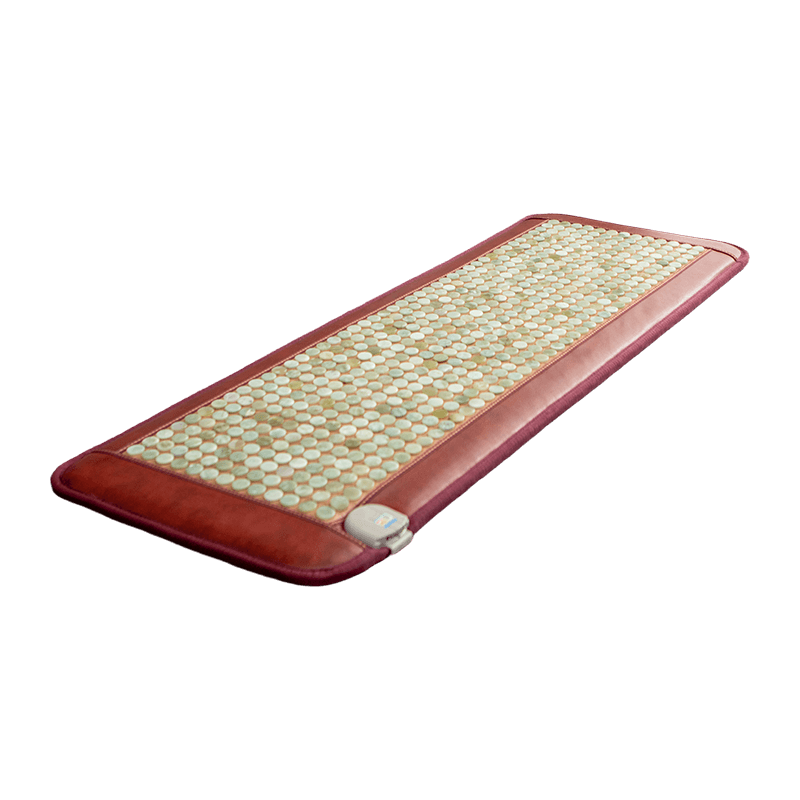
A temperature control energy pad is a flexible, body-conforming heating device that delivers consistent, adjustable warmth directly to targeted areas of the body. Unlike single-temperature electric heating pads, a temperature control energy pad incorporates a precise thermostat or digital controller that allows users to set and maintain a specific surface temperature — typically between 35 °C and 75 °C — without the risk of overheating that accompanies unregulated designs.
The "energy" designation reflects the device's ability to sustain therapeutic heat output over extended sessions — often 30 minutes to several hours — at a stable, user-selected level. This sustained, controlled delivery distinguishes it from disposable chemical heat patches, which peak quickly and then taper unpredictably. Modern temperature control energy pads integrate multiple safety layers: automatic shut-off timers, over-temperature protection circuits, and double-insulated heating elements that maintain surface temperature uniformity to within ±1–2 °C across the full pad area.
How Thermal Therapy Mats Differ — and Where They Overlap
A thermal therapy mat operates on the same core principle of controlled heat delivery but typically covers a larger surface area — full back, full body, or entire sleeping surface — and often incorporates additional therapeutic modalities beyond simple resistance heating. The most clinically relevant additions include:
- Far-infrared (FIR) radiation: Emitted by jade, tourmaline, or carbon fiber panels embedded in the mat surface. FIR wavelengths (4–14 µm) penetrate 3–5 cm into soft tissue, warming muscle and connective tissue from within rather than conducting heat from the skin surface inward.
- Negative ion emission: Certain mineral stones embedded in thermal therapy mats — most commonly tourmaline — release negative ions when heated. Proponents associate elevated negative ion environments with improved mood and reduced oxidative stress, though clinical evidence in this specific application remains limited.
- PEMF (pulsed electromagnetic field): Higher-end thermal therapy mats integrate PEMF coils that emit low-frequency electromagnetic pulses independently of the heat function, targeting bone density and cellular repair at frequencies studied in orthopedic contexts.
- Photon light therapy: Some mats include red and near-infrared LED arrays alongside heating elements, combining photobiomodulation with thermal therapy in a single session.
In everyday consumer use, the boundary between a premium temperature control energy pad and an entry-level thermal therapy mat is blurred. Both deliver regulated heat; the thermal therapy mat simply scales up the area and may layer in one or more additional modalities. The decision between the two is primarily determined by treatment area, budget, and whether supplementary therapies are a clinical priority.
Evidence Base for Heat Therapy: What the Research Shows
Therapeutic heat application is one of the oldest and most consistently validated forms of physical pain management. The physiological mechanisms are well characterized:
- Vasodilation: Superficial heat increases local blood flow, accelerating oxygen and nutrient delivery to injured tissue and removing metabolic waste products that contribute to delayed-onset muscle soreness (DOMS).
- Muscle relaxation: Elevated tissue temperature reduces motor neuron excitability and muscle spindle firing rate, decreasing spasm and involuntary guarding around painful joints.
- Gate control modulation: Thermoreceptor activation in the skin competes with pain signal transmission in the dorsal horn of the spinal cord, reducing the perception of chronic ache through a mechanism similar to TENS (transcutaneous electrical nerve stimulation).
- Collagen extensibility: Connective tissue heated to 40–45 °C becomes significantly more extensible, making heat application prior to stretching or physical therapy particularly effective for improving range of motion in conditions like frozen shoulder or post-surgical adhesions.
A 2006 review published in the Journal of Clinical Rheumatology found that continuous low-level heat therapy provided clinically meaningful pain relief for acute low back pain comparable to oral ibuprofen — without the gastrointestinal side effects. For chronic conditions such as fibromyalgia, osteoarthritis, and dysmenorrhea, regular thermal therapy sessions have demonstrated statistically significant reductions in pain scores across multiple controlled trials.
Key Applications: Who Benefits Most
Temperature control energy pads and thermal therapy mats serve a broad range of users, but certain populations see the most consistent benefit:
| User Profile | Primary Benefit | Recommended Device Type |
|---|---|---|
| Chronic low back pain sufferers | Muscle relaxation, pain gate modulation | Full-back thermal therapy mat with FIR |
| Post-surgical rehabilitation patients | Collagen extensibility, range of motion | Temperature control energy pad (local) |
| Athletes and sports recovery | DOMS reduction, pre-activity warm-up | Portable temperature control energy pad |
| Fibromyalgia and arthritis patients | Widespread pain relief, stiffness reduction | Full-body thermal therapy mat |
| Menstrual cramp relief | Uterine smooth muscle relaxation | Compact temperature control energy pad |
| Older adults with poor circulation | Peripheral vasodilation, comfort | Full-body thermal therapy mat (low setting) |
Heating Technologies Inside the Pad or Mat
The heating element technology embedded in a temperature control energy pad or thermal therapy mat has a direct impact on temperature uniformity, EMF emission, flexibility, and longevity. The three dominant technologies are:
- Carbon fiber heating elements: Woven carbon fiber threads distribute current across the full pad surface, producing highly uniform heat with minimal hot spots. Carbon fiber also generates far-infrared radiation as a byproduct of resistive heating, adding a passive FIR component without additional hardware. Carbon fiber elements are thin, flexible, and durable, making them the preferred choice in premium thermal therapy mats.
- Wire coil heating elements: Traditional resistance wire arranged in parallel or serpentine patterns is the most cost-effective construction. Wire elements are robust and simple to manufacture but can produce uneven temperature distribution if the wire spacing is too wide, and they carry higher EMF emissions than carbon fiber alternatives.
- Graphene heating films: An emerging technology in which a printed graphene layer functions as both heating element and FIR emitter. Graphene films achieve faster warm-up times (often under 2 minutes to operating temperature), very low EMF, and excellent flexibility — but at a higher manufacturing cost that currently limits adoption to premium products.
EMF (electromagnetic field) emissions have become an important purchase consideration, particularly for users intending long daily sessions. Carbon fiber and graphene heating elements typically emit EMF levels below 1 mG at contact distance — well within the 2 mG reference level commonly cited in consumer health contexts — while poorly shielded wire coil designs can exceed 10 mG at the surface.
Safety Considerations and Contraindications
While temperature control energy pads and thermal therapy mats are broadly safe for healthy adults when used as directed, several important contraindications and precautions apply:
- Acute inflammation and fresh injuries: Heat is contraindicated within the first 48–72 hours of an acute sprain, strain, or bruise. During this phase, elevated blood flow from heat application increases swelling and prolongs inflammation. Cold therapy should be used first; heat can be introduced once the acute phase has resolved.
- Impaired sensation: Individuals with peripheral neuropathy, diabetes-related sensory loss, or post-stroke sensory deficits cannot reliably detect overheating and are at elevated risk of contact burns. Medical supervision is advisable for these users.
- Implanted electronic devices: Pacemakers, implanted neurostimulators, and drug infusion pumps may be affected by the electromagnetic fields of PEMF-equipped thermal therapy mats. Consult the device manufacturer and a physician before use.
- Pregnancy: Elevated core body temperature during the first trimester carries potential fetal risk. Pregnant users should avoid full-body thermal therapy mats and restrict heat pad use to extremities at low temperature settings, under medical guidance.
- Active malignancy: Local heat application over a known tumor site may theoretically promote vasodilation and local growth. Oncology team guidance is recommended before using thermal therapy over any active cancer site.
For the general healthy adult population, sessions of 20–40 minutes at temperatures between 40 °C and 50 °C represent the most widely recommended parameters for pain relief without the risk of skin erythema or low-grade thermal injury associated with prolonged high-temperature exposure.
What to Look for When Buying a Temperature Control Energy Pad or Thermal Therapy Mat
With dozens of products available across a wide price range, focusing on a short list of objectively verifiable specifications cuts through marketing noise:
- Temperature range and increment: A minimum range of 35–65 °C with 1–5 °C increments gives sufficient flexibility for both gentle warm-up sessions and deeper therapeutic heat. Controllers with digital displays are significantly easier to set precisely than dial-type analog controls.
- Timer function: Auto shut-off between 30 minutes and 8 hours prevents unintentional overnight use. Some mats offer programmable schedules that pre-warm the surface before the user lies down.
- Cover material and washability: A removable, machine-washable cover in a breathable material (microfiber, cotton, or bamboo fabric) is essential for hygiene in daily-use products.
- Certifications: Look for CE, FCC, RoHS, and — for clinical or therapeutic claims — FDA registration (in the US market). Third-party EMF testing reports from recognized laboratories add meaningful credibility.
- Warranty and support: Quality thermal therapy mats from established manufacturers typically carry 1–3 year warranties. A responsive after-sales support channel is a practical indicator of overall product commitment.
Investing in a well-specified temperature control energy pad or thermal therapy mat from a manufacturer that can document its heating element technology, EMF performance, and safety certifications delivers both better therapeutic outcomes and greater long-term value than budget options that cut corners on uniformity, safety circuits, or build quality.
 View More
- +86 188 5837 6736
- [email protected]
- 576 Yunsi West Road, Dayun Town, Jiashan County, Jiaxing City, Zhejiang Province
- Temperature Control Energy Pad
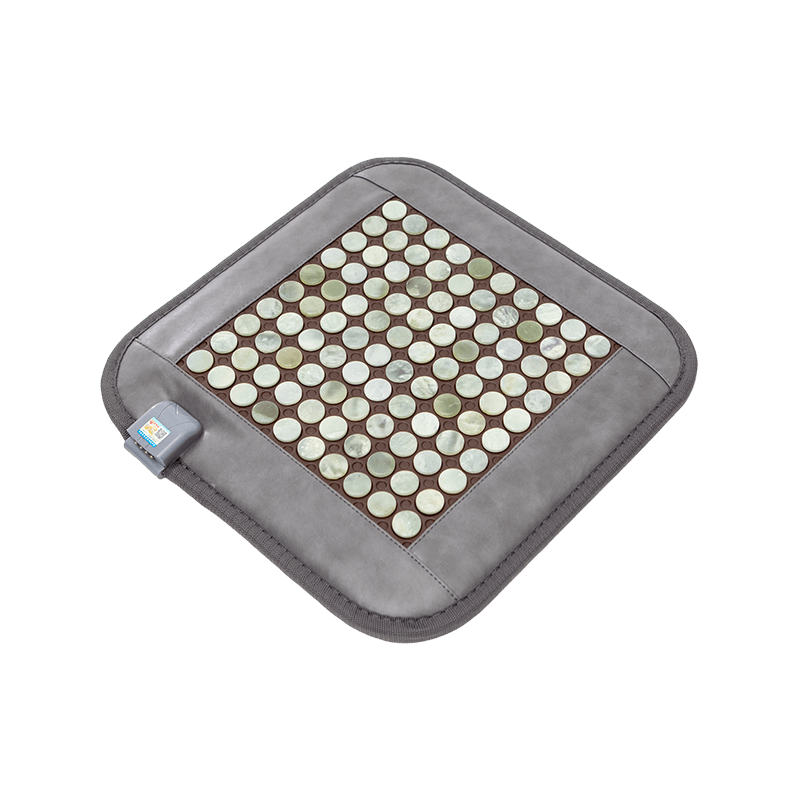
- Temperature-Controlled Energy Cushion
- Temperature Control Energy Belt
- Temperature Control Energy Abdominal Pad
- Temperature-Controlled Energy-Saving Cervical Pillow
- Temperature-Controlled Energy-Saving Lumbar Pillow
- Temperature Control Energy Spinal Pillow
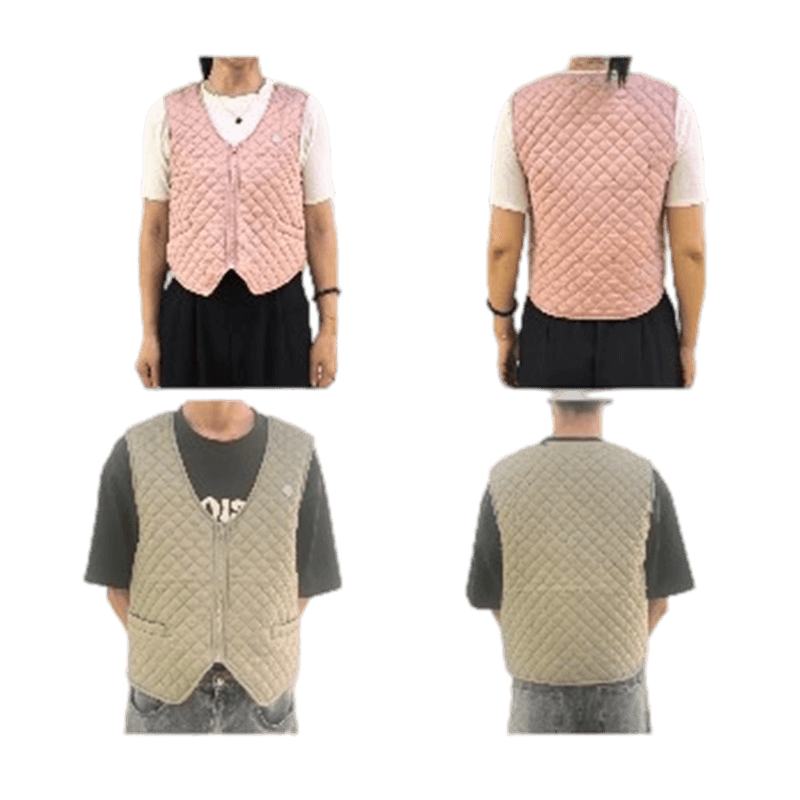
- Electric Cloak (Shoulder And Neck Vest)
- Temperature-Controlled Energy Knee Pads
- Temperature-Controlled Energy-Saving Foot Warmer
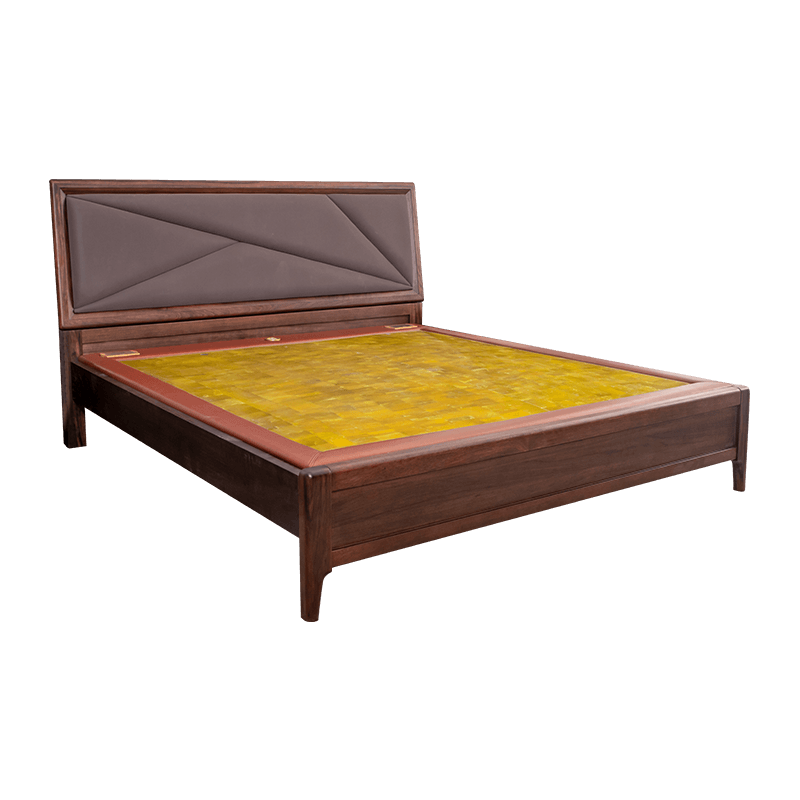
- Temperature Control Energy Mattress
- Temperature Control Mattress
Copyright © Jiaxing Fuqiduo Thermal Bed Co., Ltd. All rights reserved.
Wholesale Therapeutic Mattresses Company
 The information provided on this website is intended for use only in countries and jurisdictions outside of the People's Republic of China.