
 EN
EN
 English
 Español
 عربى
عربى

Temperature Control Jade Energy Belt: Benefits & Buying Guide
Mar 13,2026
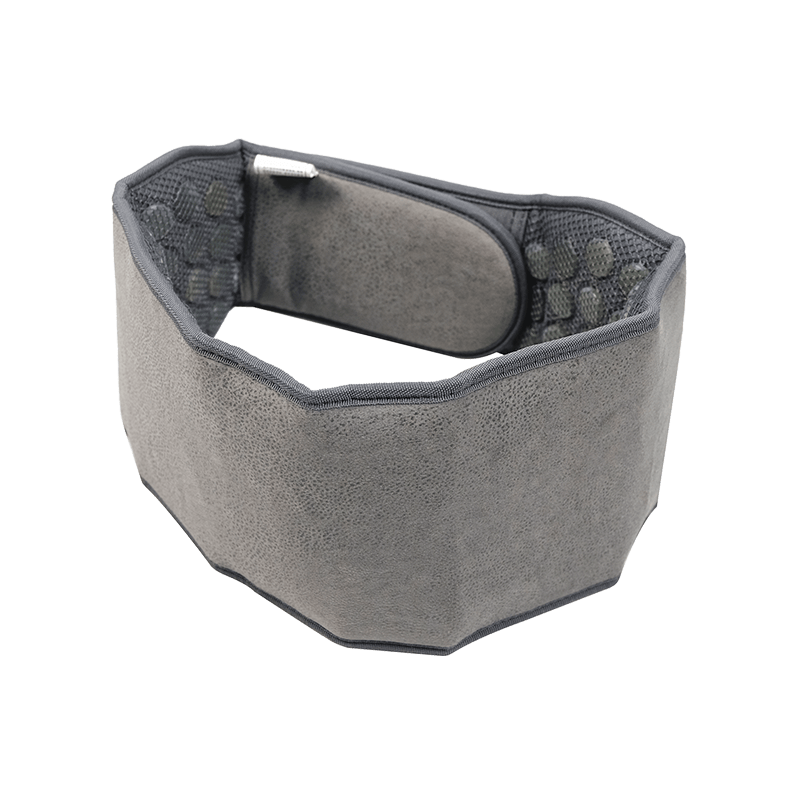
A temperature control jade energy belt is a wearable therapeutic device that combines far-infrared heat emission, jade stone contact therapy, and adjustable temperature control into a single belt worn around the waist, lower back, or abdomen. The core benefit is targeted, sustained warmth delivered directly to soft tissue and muscle groups in the lumbar and abdominal region, supporting circulation, muscle relaxation, and comfort during daily activity or rest. Unlike standard electric heating pads, a temperature control energy belt integrates natural jade or tourmaline stones that emit far-infrared radiation (FIR) when heated, a feature associated with deeper tissue penetration than conventional surface heat alone. Choosing the right model requires understanding heat range, stone type, safety controls, and how the belt fits into a daily wellness routine.
Content
- 1 How a Temperature Control Jade Energy Belt Works
- 2 Key Benefits of Using a Jade Energy Belt with Temperature Control
- 3 Temperature Settings and When to Use Each Level
- 4 Jade vs Tourmaline: Stone Type and Its Practical Difference
- 5 What to Look for When Buying a Temperature Control Energy Belt
- 6 Comparing Standard Energy Belts vs Jade Temperature Control Energy Belts
- 7 Safe Use Guidelines and Contraindications
- 8 How to Get the Most from Your Temperature Control Jade Energy Belt
How a Temperature Control Jade Energy Belt Works
The operating principle of a jade energy belt combines three distinct mechanisms that work simultaneously when the belt is worn and powered on.
Far-Infrared Radiation from Jade and Tourmaline Stones
Jade and tourmaline are piezoelectric and pyroelectric minerals. When these stones are heated—whether by an embedded electrical heating element or by body heat alone—they emit far-infrared radiation in the 4–14 micron wavelength range. This wavelength range overlaps significantly with the absorption spectrum of water molecules in human soft tissue, allowing FIR energy to penetrate 2–3 cm below the skin surface rather than being absorbed entirely at the skin level as conventional conductive heat is.
The practical effect is that the warming sensation from a jade energy belt feels less like surface heat and more like a deep internal warmth—a distinction users frequently report as more comfortable and effective for muscle stiffness and abdominal cramping than a standard heating pad.
Electrical Resistance Heating Element
The heating element embedded in the belt—typically a carbon fiber heating wire or a positive temperature coefficient (PTC) ceramic element—converts electrical energy to heat when powered. PTC heating elements have a self-regulating property: their electrical resistance increases as temperature rises, naturally limiting heat output and reducing the risk of overheating. This makes PTC-based belts inherently safer than simple wire-element designs, particularly during extended use.
Temperature Control System
The temperature control function distinguishes a modern jade energy belt from a basic heated wrap. A built-in digital controller—accessed via a wired remote or wireless panel integrated into the belt—allows the user to select from a range of heat settings. Most quality models offer 3 to 6 discrete temperature levels, with surface temperatures ranging from approximately 35°C (95°F) at the lowest setting to 65°C (149°F) at the highest. Better models include:
- An automatic shut-off timer (typically 30, 60, or 90 minutes) to prevent burns during sleep or inattentive use
- A temperature memory function that restores the last-used setting on power-on
- Over-temperature protection that cuts power if the heating element exceeds a preset maximum
- LED or LCD temperature display showing actual current temperature rather than just a setting level
Key Benefits of Using a Jade Energy Belt with Temperature Control
The practical benefits of a temperature control jade energy belt cluster around four primary areas, each supported by the combined effect of FIR emission and controlled heat delivery.
Lower Back Muscle Relaxation
Sustained, controlled heat to the lumbar region reduces muscle spasm by increasing local tissue temperature, which in turn decreases muscle spindle activity and raises the pain threshold of thermal nociceptors. A 2006 clinical study published in the journal Spine found that continuous low-level heat therapy applied to the lower back produced significantly greater pain relief than oral ibuprofen in participants with acute non-specific low back pain over a 5-day treatment period. A wearable belt allows this therapy to be applied during daily activity rather than requiring the user to remain stationary.
Menstrual and Abdominal Cramp Relief
Heat application to the lower abdomen is a well-established intervention for primary dysmenorrhea (menstrual cramps). A randomized controlled trial published in Evidence-Based Nursing demonstrated that a heat patch applied at 39°C for 12 hours was as effective as 400 mg of ibuprofen in reducing menstrual pain intensity. The adjustable temperature control of a jade energy belt allows users to maintain this therapeutic range precisely, while the FIR component may support additional comfort through deeper tissue warming.
Improved Local Circulation
Heat causes vasodilation of local capillaries and arterioles, increasing blood flow to the warmed area. FIR energy in the 4–14 µm range has been shown in laboratory studies to stimulate nitric oxide production in vascular endothelial cells—a mechanism that independently promotes vasodilation. Improved local circulation supports nutrient delivery to fatigued muscle tissue and assists in clearing metabolic waste products such as lactic acid from exercised muscles.
Comfort During Cold Weather and Sedentary Work
For individuals who work in cold environments or who sit at a desk for extended periods, a low-setting jade energy belt (35°C–40°C) worn around the waist provides consistent core warmth without overheating. This use case is particularly common among office workers, elderly users with chronic cold sensitivity, and individuals recovering from abdominal or back procedures who benefit from gentle, sustained warmth during the recovery period.
Temperature Settings and When to Use Each Level
Matching the temperature setting to the intended use is the most practical decision a user makes each session. Using too high a setting for extended periods increases burn risk; using too low a setting for acute muscle tension provides inadequate therapeutic effect. The following guide covers the most common use cases across a standard 6-level belt.
| Setting Level | Surface Temp (approx.) | Recommended Use | Session Duration |
|---|---|---|---|
| Level 1 | 35–38°C | Gentle daily warmth, cold sensitivity, elderly users | 60–90 minutes |
| Level 2 | 38–42°C | Menstrual comfort, mild lower back stiffness | 30–60 minutes |
| Level 3 | 42–46°C | Post-exercise muscle recovery, moderate tension | 20–40 minutes |
| Level 4 | 46–52°C | Acute back muscle spasm, abdominal cramps | 15–30 minutes |
| Level 5 | 52–58°C | Deep muscle therapy, chronic stiffness (short sessions only) | 10–20 minutes |
| Level 6 | 58–65°C | Maximum heat; not recommended without clothing barrier | 5–10 minutes maximum |
As a general safety principle, always wear a thin cotton layer between the belt and bare skin at settings above Level 3. Skin contact with surfaces above 48°C for more than 30 minutes can cause contact burns, particularly in users with reduced skin sensitivity due to diabetes, peripheral neuropathy, or medication effects.
Jade vs Tourmaline: Stone Type and Its Practical Difference
Most temperature control energy belts use either jade stone, tourmaline stone, or a combination of both embedded in the belt surface. The choice of stone affects the FIR emission profile and the thermal mass of the belt.
- Jade (nephrite or serpentine): Emits FIR consistently in the 8–12 µm range when heated. Has relatively high thermal mass, meaning it heats up more slowly but retains heat longer after power is removed. Jade belts feel smoother and denser against the body. Preferred by users who prioritize sustained warmth during and after sessions.
- Tourmaline: A boron silicate mineral with strong pyroelectric and piezoelectric properties. Emits FIR in the 4–14 µm range—a broader and somewhat stronger emission profile than jade alone. Tourmaline also generates a weak negative ion field when heated, which some manufacturers claim contributes to antioxidant or air quality benefits, though these claims are not well-supported by clinical evidence. Tourmaline heats up faster than jade due to lower thermal mass.
- Jade and tourmaline combination: The most common configuration in mid-to-high-end belts. The tourmaline provides faster heating and broader FIR emission; the jade provides thermal stability and smooth contact. This combination is the practical optimum for most users.
What to Look for When Buying a Temperature Control Energy Belt
The market for jade energy belts includes products ranging from well-engineered therapeutic devices to low-quality heated wraps that use "jade" branding without meaningful stone content. Evaluating the following specifications before purchase prevents disappointment and ensures safety.
Heating Element Type and Safety Certifications
Prioritize belts using PTC (positive temperature coefficient) heating elements over simple wire resistance elements. PTC elements self-limit at a maximum temperature, making them safer for extended use. Look for CE, FCC, or RoHS certification marks, which indicate the product has passed basic electrical safety testing. Avoid products with no certification information provided by the seller.
Temperature Range and Number of Settings
A belt with only 3 heat levels offers limited flexibility compared to a 6-level model. Verify that the manufacturer publishes actual temperature values for each setting rather than vague descriptors like "low/medium/high." The presence of an auto shut-off function (30–90 minutes) is a non-negotiable safety feature for regular home use.
Belt Size, Adjustability, and Coverage Area
Jade energy belts are typically designed to wrap around waist sizes from 60 cm to 130 cm, with hook-and-loop (Velcro) or buckle adjustments. The heated zone—the area containing jade or tourmaline stones and the heating element—typically measures 25–40 cm in length and 18–25 cm in width. A wider heated zone provides better lumbar coverage for taller users. Verify the heated zone dimensions, not just the total belt length, when assessing coverage.
Power Source: Wired vs Rechargeable Battery
Wired (AC-powered) belts deliver consistent, sustained heat output without battery depletion concerns, making them better suited for stationary use at home or at a desk. Rechargeable battery-powered belts offer mobility—useful during commuting, outdoor activities, or office work away from a power outlet—but typically provide 60–120 minutes of runtime per charge at mid-range heat settings, and heat output may decrease as the battery drains. Some premium models offer both wired and battery operating modes.
Outer Material and Washability
The outer surface of the belt should be soft, breathable, and skin-friendly. Common materials include flannel, plush fabric, and neoprene. Detachable heating modules that allow the outer fabric cover to be removed and hand-washed are significantly more hygienic than fixed-element belts that cannot be cleaned. Verify that the product description specifies washability of at least the outer cover.
Comparing Standard Energy Belts vs Jade Temperature Control Energy Belts
| Feature | Basic Heated Waist Belt | Temperature Control Jade Energy Belt |
|---|---|---|
| Heat penetration depth | Surface level only (~0.5 cm) | 2–3 cm via FIR emission |
| Temperature settings | 1–3 fixed levels | 3–6 adjustable levels with display |
| Stone/mineral content | None | Jade, tourmaline, or both |
| Auto shut-off | Often absent | Standard (30–90 min timer) |
| Heating element type | Resistance wire | PTC or carbon fiber (self-regulating) |
| Typical price range | $15–$35 | $45–$150 |
| Best suited for | Occasional mild warmth | Regular therapeutic use, back pain, menstrual relief |
Safe Use Guidelines and Contraindications
A temperature control jade energy belt is safe for most healthy adults when used according to guidelines, but specific conditions require caution or contraindicate use entirely.
General Safety Practices
- Always start at the lowest temperature setting and increase gradually, allowing 5–10 minutes to assess skin response before moving to a higher level.
- Never use the belt while sleeping unless it has an automatic shut-off timer set to no more than 30 minutes.
- Inspect the power cord and control unit for damage before each use. Do not use a belt with frayed wiring, damaged connectors, or a cracked control panel.
- Do not fold or compress the belt tightly while powered on—this can cause localized overheating at the fold point.
- Keep the belt dry. Most models are not waterproof; moisture ingress into the heating element is a fire and shock hazard.
Contraindications
The following conditions are contraindications for jade energy belt use. Consult a physician before use if any of these apply:
- Pregnancy: Prolonged heat application to the abdominal region during pregnancy is not recommended without medical guidance.
- Active inflammation or acute injury: Heat is contraindicated in the first 48–72 hours after a strain, sprain, or acute inflammatory episode—cold therapy is preferred during this window.
- Peripheral neuropathy or reduced skin sensation: Users who cannot reliably detect skin temperature changes are at elevated burn risk at any heat setting above Level 2.
- Implanted electronic devices: Individuals with pacemakers, implanted neurostimulators, or insulin pumps should consult their device manufacturer regarding FIR and electromagnetic compatibility before use.
- Open wounds or skin conditions: Do not apply the belt over broken skin, rashes, dermatitis, or areas of active infection.
How to Get the Most from Your Temperature Control Jade Energy Belt
Consistent, intentional use produces better outcomes than occasional high-heat sessions. The following practical recommendations help users integrate the belt effectively into a wellness routine.
- Use it as a pre-activity warm-up tool: Wearing the belt at Level 2–3 for 15–20 minutes before exercise or a long period of sitting warms the lumbar muscles and increases tissue extensibility, reducing stiffness and the risk of strain during activity.
- Use it as a post-activity recovery tool: After exercise, Level 3–4 for 20–30 minutes supports muscle recovery by promoting circulation and reducing delayed-onset muscle soreness (DOMS) in the lower back and abdominal core.
- Combine with gentle stretching: Performing gentle lower back stretches or yoga postures while wearing the belt at a low setting enhances the flexibility benefit, as warmed muscle tissue responds more readily to stretching than cold tissue.
- Use consistently for chronic conditions: For users managing chronic lower back stiffness, daily use at 35–42°C for 30–45 minutes produces cumulative comfort improvement that single sessions do not replicate. Consistency matters more than session intensity.
- Store flat, not rolled tightly: Repeatedly rolling the belt tightly can stress the heating element wires at the fold points over time. Store the belt loosely coiled or flat to maximize its service life.
 View More
- +86 188 5837 6736
- [email protected]
- 576 Yunsi West Road, Dayun Town, Jiashan County, Jiaxing City, Zhejiang Province
- Temperature Control Energy Pad
- Temperature-Controlled Energy Cushion
- Temperature Control Energy Belt
- Temperature Control Energy Abdominal Pad
- Temperature-Controlled Energy-Saving Cervical Pillow
- Temperature-Controlled Energy-Saving Lumbar Pillow
- Temperature Control Energy Spinal Pillow
- Electric Cloak (Shoulder And Neck Vest)
- Temperature-Controlled Energy Knee Pads
- Temperature-Controlled Energy-Saving Foot Warmer
- Temperature Control Energy Mattress
- Temperature Control Mattress
Copyright © Jiaxing Fuqiduo Thermal Bed Co., Ltd. All rights reserved.
Wholesale Therapeutic Mattresses Company
 The information provided on this website is intended for use only in countries and jurisdictions outside of the People's Republic of China.