
 EN
EN
 English
 Español
 عربى
عربى

Thermal Therapy Mat: Infrared, Jade & Tourmaline Benefits Explained
May 12,2026
Content
What Is a Thermal Therapy Mat and How Does It Work?
A thermal therapy mat is a full-body or targeted heating surface designed to deliver sustained, penetrating warmth for therapeutic purposes. Unlike electric blankets or standard heating pads that only warm the skin surface, most modern thermal therapy mats use a combination of heat-generating stones or crystals embedded within the mat fabric to radiate heat deeply into soft tissue, muscles, and joints.
The core mechanism varies by mat type. The most widely used designs rely on far-infrared (FIR) radiation — a portion of the electromagnetic spectrum that naturally heats organic matter by exciting water molecules within tissue. This produces warmth that penetrates several centimeters below the skin surface rather than simply heating the air or outer skin layer. Many mats operate in a temperature range of 30°C to 70°C (86°F to 158°F), adjustable by the user depending on the intended use case, from gentle relaxation to more intensive therapeutic sessions.
Common applications include pain relief, post-exercise muscle recovery, stress reduction, and improving circulation in individuals with sedentary lifestyles or circulatory conditions. Thermal mats are used in clinical settings such as physiotherapy clinics and massage studios, as well as by individuals at home for daily wellness routines.
Key Benefits of an Infrared Heating Pad
The benefits of an infrared heating pad extend well beyond simple surface warmth. Because far-infrared energy is absorbed directly by tissue rather than heating the surrounding air, the therapeutic effect is more efficient and longer-lasting than conventional resistive heat pads. Several clinically documented benefits have driven the adoption of FIR technology in wellness and rehabilitation products.
Improved Blood Circulation
Far-infrared heat causes blood vessels to dilate, increasing blood flow to muscles and connective tissue. This enhanced microcirculation delivers more oxygen and nutrients to damaged or fatigued tissue while accelerating the removal of metabolic waste products such as lactic acid. For individuals with chronic pain conditions, poor circulation, or diabetes-related peripheral vascular issues, regular use can produce measurable improvements in tissue perfusion.
Muscle Relaxation and Pain Relief
Deep tissue heating reduces muscle tension by decreasing the firing threshold of pain receptors and lowering the viscosity of connective tissue. Studies examining FIR therapy in patients with musculoskeletal pain — including lower back pain, fibromyalgia, and arthritis — have reported significant reductions in pain scores after consistent use. A 30-minute session at 55°C–60°C is commonly cited in clinical protocols for managing chronic lower back pain.
Stress Reduction and Autonomic Balance
Infrared heat activates the parasympathetic nervous system, reducing cortisol levels and shifting the body toward a rest-and-recovery state. Regular sessions have been associated with improved sleep onset, reduced anxiety scores, and measurable decreases in resting heart rate — outcomes also observed in traditional sauna therapy, which shares a similar thermal mechanism.
Detoxification Through Perspiration
Because FIR heat raises core body temperature gradually, it induces mild perspiration even at moderate mat temperatures. This supports the skin's natural detoxification role — the elimination of trace heavy metals, BPA, and other lipophilic compounds through sweat — a process that is less pronounced with conventional surface heat due to lower penetration depth.
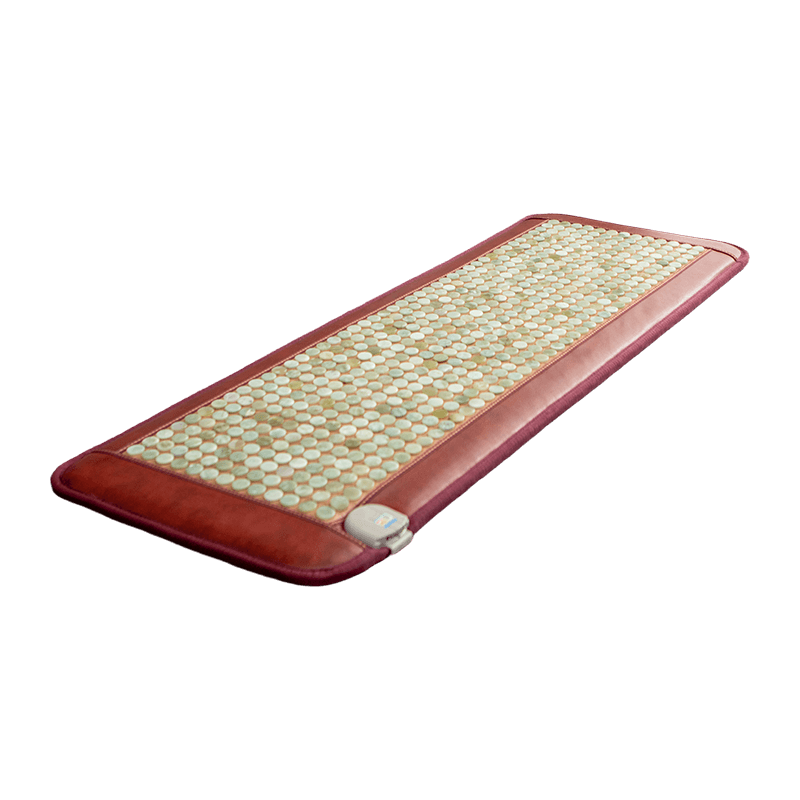
Jade and Tourmaline Heating Pad Benefits: Why Stone Type Matters
The choice of stone embedded in a thermal mat directly affects its therapeutic output. Jade and tourmaline heating pad benefits are distinct from each other and from mats that use only carbon fiber or metal heating elements, and understanding those differences helps buyers choose the right product for their needs.
Jade: Consistent FIR Emission and Thermal Mass
Nephrite and serpentine jade are both widely used in thermal mats due to their high far-infrared emissivity — typically in the range of 8–14 microns, which closely matches the natural infrared emission of the human body. This resonance effect is believed to maximize tissue absorption efficiency. Jade also has a high specific heat capacity, meaning it stores and releases heat slowly and evenly, reducing the risk of hot spots and providing a more uniform thermal profile across the mat surface. Traditional Chinese and Korean medicine has attributed energetic and calming properties to jade contact, and while these claims are not verified by Western clinical research, the physical properties of jade as an FIR emitter are well-documented.
Tourmaline: Negative Ions and Enhanced Infrared Output
Tourmaline is a boron silicate mineral with a unique property: it is piezoelectric and pyroelectric, meaning it generates a small electrical charge when heated or subjected to pressure. This charge leads to the emission of negative ions — electrically charged air molecules that, in research on air ionization, have been associated with improved mood, reduced fatigue, and enhanced respiratory comfort. In a thermal mat context, tourmaline tiles heat up quickly and produce a notably high negative ion output, with some commercial mats rated at 1,500–3,000 negative ions per cubic centimeter at operating temperature. Tourmaline also emits far-infrared radiation, though its thermal mass is lower than jade, making it better suited for rapid-heat applications.
Combination Mats: Optimizing Both Properties
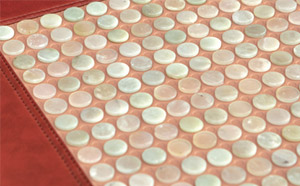
Many premium thermal therapy mats use alternating jade and tourmaline tiles to leverage both materials simultaneously — jade for steady, deep FIR penetration and tourmaline for elevated negative ion output. Some designs also incorporate amethyst crystals, which have a high FIR emissivity similar to jade and add a third thermal layer. The combination approach has become a market standard in full-body mats targeting the wellness and physiotherapy segments.
| Stone Type | FIR Emission | Negative Ions | Heat Retention | Best For |
|---|---|---|---|---|
| Jade | High (8–14 μm) | Low | High | Deep tissue heating, uniform warmth |
| Tourmaline | Moderate–High | High | Moderate | Rapid heat, ion therapy, mood support |
| Jade + Tourmaline | High | High | High | Full-body therapy, combined benefits |
Choosing and Using a Thermal Therapy Mat Effectively
To get consistent therapeutic results from a thermal mat, both product selection and usage protocol matter. Key variables to evaluate when purchasing include:
- EMF shielding: All electric heating elements emit electromagnetic fields. Quality mats include a shielding layer that reduces EMF exposure to below 2 milligauss at the surface, aligned with internationally recognized precautionary thresholds.
- Temperature controller precision: A digital controller with 1°C increments and an auto-shutoff timer is standard on therapeutic-grade mats. Analog dials with broad temperature bands make it difficult to maintain consistent sessions.
- Stone coverage density: Mats with denser tile layouts (more stones per square meter) distribute heat more evenly and reduce pressure point gaps. Budget mats with sparse stone placement often produce noticeable uneven heating.
- Certifications: Look for CE, FCC, or RoHS certification depending on your market. Medical-grade mats targeting clinical use should carry FDA 510(k) clearance or equivalent regulatory registration.
For routine home use, sessions of 20–45 minutes at a moderate temperature (40°C–55°C) are typically recommended. Drinking water before and after sessions supports circulation benefits and prevents mild dehydration from perspiration. Individuals with active inflammation, cardiovascular conditions, or pregnancy should consult a healthcare provider before beginning regular thermal mat therapy.
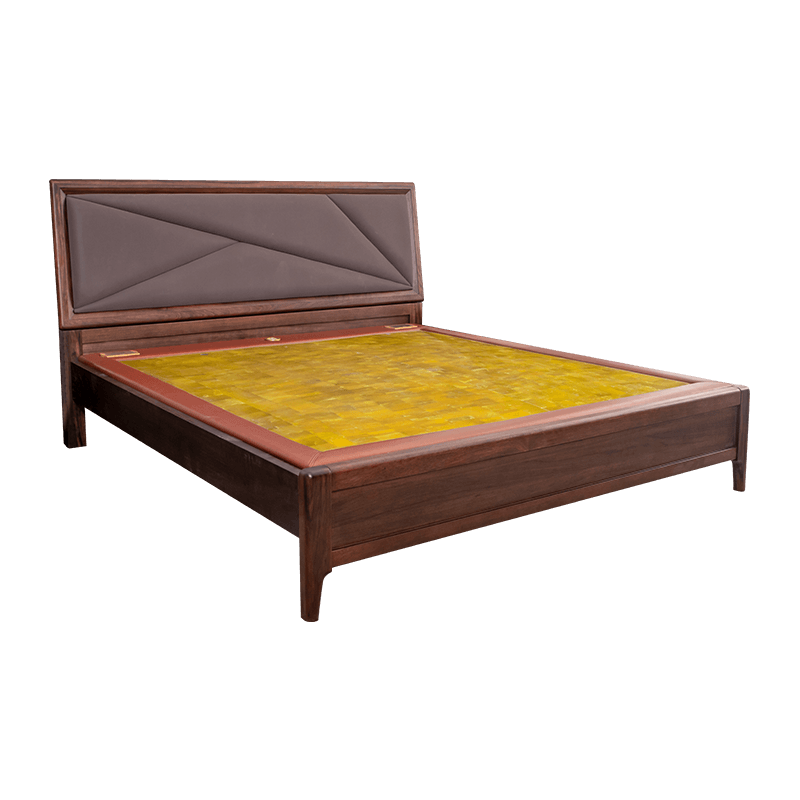
 View More
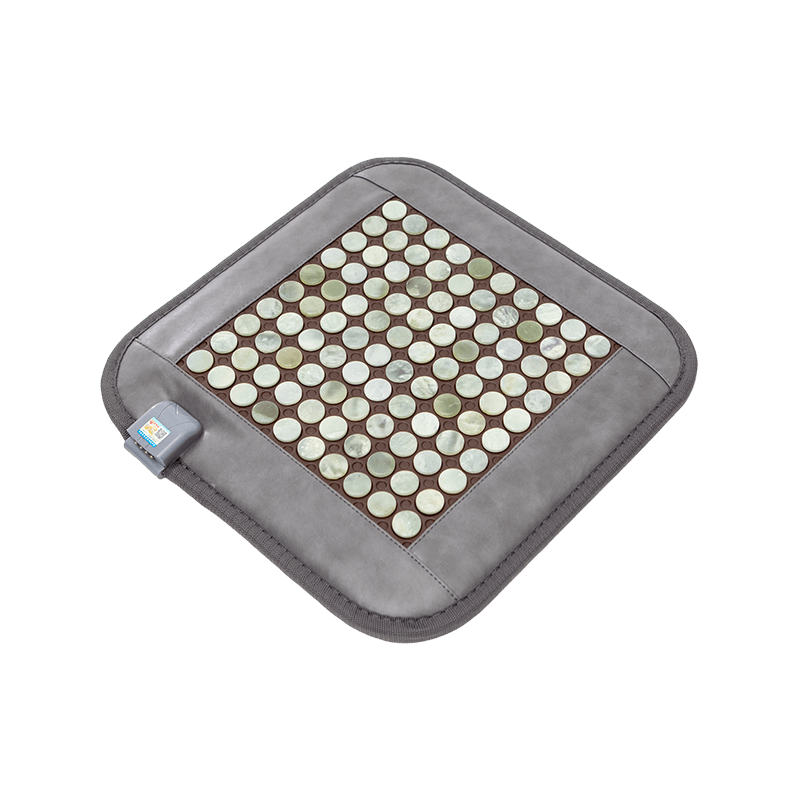
- +86 188 5837 6736
- [email protected]
- 576 Yunsi West Road, Dayun Town, Jiashan County, Jiaxing City, Zhejiang Province
- Temperature Control Energy Pad
- Temperature-Controlled Energy Cushion
- Temperature Control Energy Belt
- Temperature Control Energy Abdominal Pad
- Temperature-Controlled Energy-Saving Cervical Pillow
- Temperature-Controlled Energy-Saving Lumbar Pillow
- Temperature Control Energy Spinal Pillow
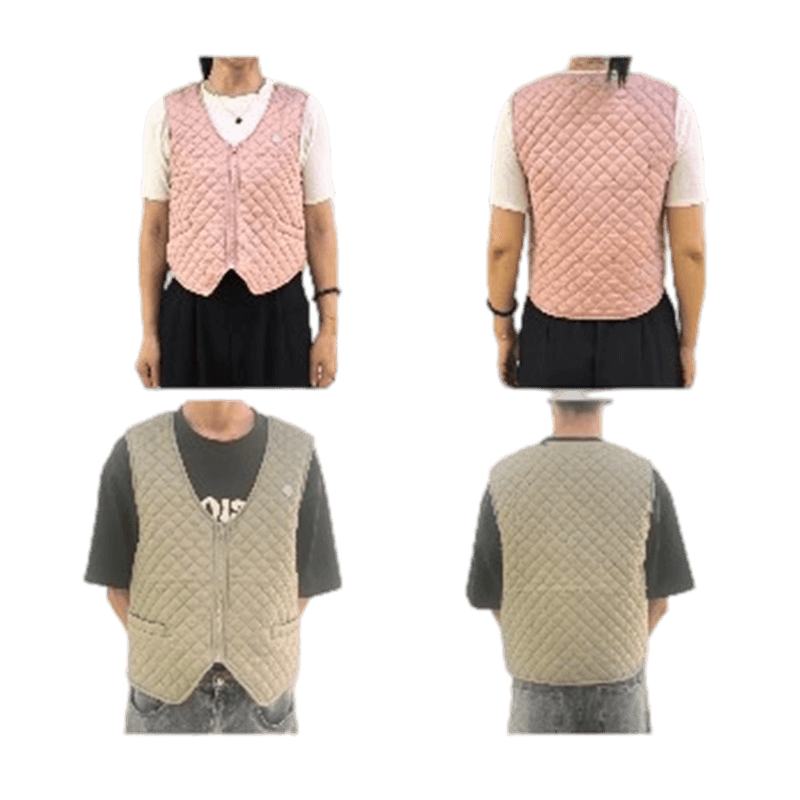
- Electric Cloak (Shoulder And Neck Vest)
- Temperature-Controlled Energy Knee Pads
- Temperature-Controlled Energy-Saving Foot Warmer
- Temperature Control Energy Mattress
- Temperature Control Mattress
Copyright © Jiaxing Fuqiduo Thermal Bed Co., Ltd. All rights reserved.
Wholesale Therapeutic Mattresses Company
 The information provided on this website is intended for use only in countries and jurisdictions outside of the People's Republic of China.