
 EN
EN
 English
 Español
 عربى
عربى

Thermal Therapy Mat Guide: Benefits, Types & How to Choose
May 21,2026
A thermal therapy mat is a purpose-built device that delivers controlled heat or cold to the body to relieve pain, reduce muscle stiffness, and accelerate recovery. The direct and most practical conclusion is that consistent use of a thermal therapy mat providing deep, penetrating warmth at 40 to 60 degrees Celsius can increase localized blood flow by 20 to 30 percent, directly relaxing muscle spasms and reducing joint stiffness. Unlike a generic heating pad, modern therapy mats—particularly those using far-infrared rays or heated gemstones—distribute heat uniformly and can sustain therapeutic temperatures for extended periods without the risk of hot spots. This article examines how these mats work, the specific thermal technologies available, and how to select the right mat for targeted pain relief and wellness.
Content
What Is a Thermal Therapy Mat
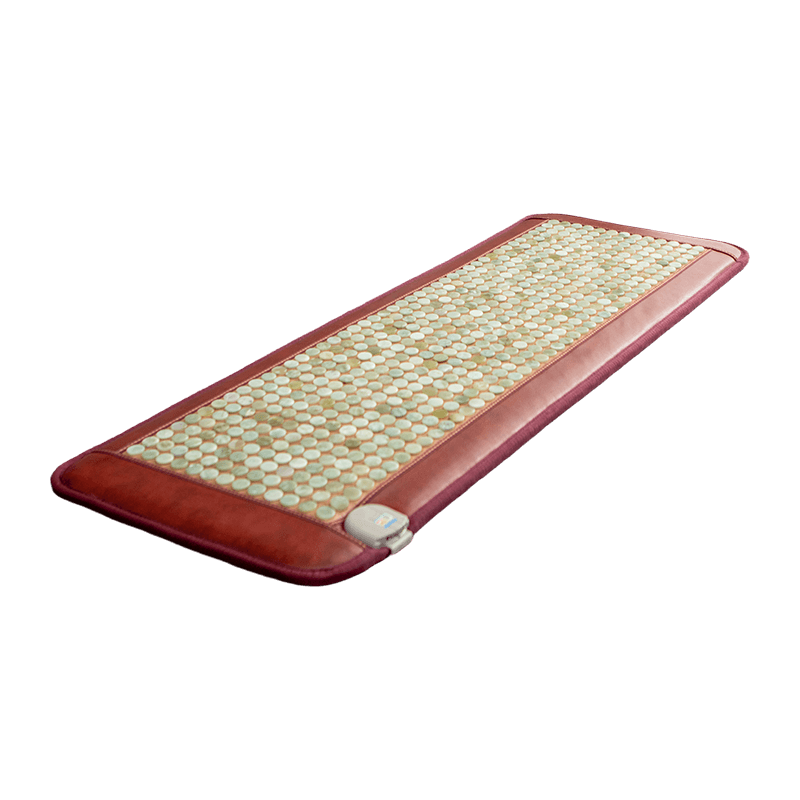
A thermal therapy mat is a padded, flexible surface embedded with heating elements or thermally conductive materials designed to transfer heat energy to the body through conduction or radiant heat. The core function is thermotherapy, the application of heat to induce vasodilation, which increases the delivery of oxygen and nutrients to tissues while flushing out metabolic waste. These mats differ from simple electric blankets by focusing on therapeutic temperature ranges—typically 40°C to 70°C (104°F to 158°F)—that penetrate deep into muscles without burning the skin. Many models also incorporate passive thermal components, such as amethyst or jade stones, which absorb the generated heat and emit it as steady far-infrared energy over a broader surface area.
Key Thermal Technologies Used in Therapy Mats
Not all heat therapy is the same. The therapeutic outcome depends heavily on the underlying technology used to generate and deliver the heat. The table below breaks down the most common systems found in modern thermal therapy mats and their specific physiological effects.
| Technology | Heat Mechanism | Typical Max Temp | Primary Therapeutic Benefit |
|---|---|---|---|
| Far-Infrared (FIR) Mats | Radiant heat via carbon fiber or ceramic elements emitting 5-20 micron wavelengths | 60°C to 70°C | Deep tissue penetration up to 4 cm; detoxification and inflammation reduction |
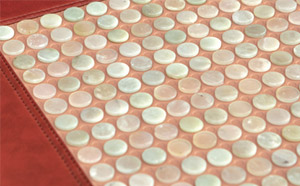
| Heated Gemstone Mats (Photon) | Conductive heat from internal heating wires warming natural amethyst or jade stones | 50°C to 65°C | Negative ion generation; gentle, uniform surface warmth for full-body relaxation |
| Traditional Electric Heating Mats | Resistance wires generating conductive heat through a fabric pad | 40°C to 55°C | Localized pain relief and muscle relaxation for specific body parts |
| Chemical/Exothermic Mats | Single-use oxidation of iron powder upon air exposure | 40°C to 50°C | Portable, on-demand heat for outdoor activities or acute injury first aid |
Physiological Benefits of Consistent Thermal Therapy
The therapeutic effects of a thermal therapy mat are measurable and scientifically grounded. The primary mechanism is the heat-induced increase in tissue blood flow. When skin temperature rises to 40°C–45°C, capillary beds dilate and blood perfusion can double. This heightened circulation accelerates the removal of lactic acid and inflammatory mediators like prostaglandins, which are responsible for chronic pain signaling.
The secondary benefit is the relaxation of skeletal muscle. Heat reduces the firing rate of alpha motor neurons and decreases the sensitivity of muscle spindles, effectively breaking the pain-spasm-pain cycle common in back injuries. A 30-minute session on a FIR therapy mat at 60°C can reduce lower back muscle tension by approximately 25 to 40 percent, as measured by surface electromyography. Additionally, specific far-infrared wavelengths stimulate the production of heat shock proteins, which provide cellular protection and repair mechanisms against subsequent stressors. For individuals with arthritis, regular deep-heat therapy has been shown to reduce morning joint stiffness duration by up to 20 minutes and decrease paracetamol intake.
Practical Criteria for Selecting a Therapy Mat
Choosing an effective thermal therapy mat requires matching the device’s technical specifications to your primary health objective. The following checklist provides a constructive framework for evaluation.
- Therapeutic temperature range and stability. The mat must consistently hold a temperature between 40°C and 65°C. A high-quality mat will use a PID temperature controller or at least a multi-level thermostat to prevent thermal runaway. Avoid mats that merely cycle between scorching hot and room temperature.
- Heat distribution and surface area. For spinal therapy or full-body relaxation, a full-length mat (typically 160 cm x 50 cm or larger) is required. The placement of heating elements must be dense and uniform. Heated gemstone mats have the advantage of filling gaps between heating wires with thermal mass.
- Safety certifications and materials. Verify that the mat has EMF (electromagnetic field) shielding—good mats reduce EMF exposure to less than 10 mG—and certifications such as CE, RoHS, or UL. The outer covering should be medical-grade PU leather or natural cotton that can withstand repeated thermal cycling without releasing volatile organic compounds.
- Targeted therapy versus general wellness. A large gemstone mat suits full-body recovery and sleep improvement. A small, high-intensity FIR pad is better for a targeted joint, such as a knee or elbow. For abdominal cramps, a flexible wrap-around design with a dedicated controller is superior to a flat mat.
Safe Usage Protocols and Time Management
To extract the maximum benefit without skin damage, thermal therapy must be timed correctly. The standard protocol for chronic back pain using a FIR mat is 30 to 40 minutes per session, once or twice daily. Sessions exceeding 60 minutes at temperatures above 60°C can lead to erythema ab igne, a persistent skin discoloration caused by chronic thermal exposure. For acute muscle injuries, the initial 48-hour window should use cold therapy only; transitioning to thermal therapy too early can exacerbate swelling. A practical approach is to follow the “20-minute rule” for localized heat: apply heat for no more than 20 minutes, then allow the skin surface to return to baseline temperature for at least 20 minutes before reapplying. Always place a thin cotton cloth or towel barrier between bare skin and the mat surface to normalize heat transfer and prevent direct burns.
Integrating Thermal Therapy into a Comprehensive Routine
A thermal therapy mat is most effective when integrated with active recovery rather than used as a passive stand-alone treatment. The optimal sequence for chronic joint stiffness involves 10 minutes of active stretching to pre-warm the synovial fluid, followed by a 30-minute thermal therapy session at 50°C to 55°C to maintain tissue elasticity, and concluding with gentle mobilization exercises while the tissues remain pliable. For sleep improvement, using a full-body photon mat for 40 minutes before bedtime raises core body temperature slightly, and the subsequent natural drop in body temperature signals the onset of deep sleep. This routine has been shown to increase slow-wave sleep duration by approximately 15 percent in clinical trials focused on thermal regulation. Used correctly, a thermal therapy mat functions as a drug-free, low-effort intervention that directly addresses the underlying circulatory and muscular tension patterns responsible for many common pain syndromes.
 View More
- +86 188 5837 6736
- [email protected]
- 576 Yunsi West Road, Dayun Town, Jiashan County, Jiaxing City, Zhejiang Province
- Temperature Control Energy Pad
- Temperature-Controlled Energy Cushion
- Temperature Control Energy Belt
- Temperature Control Energy Abdominal Pad
- Temperature-Controlled Energy-Saving Cervical Pillow
- Temperature-Controlled Energy-Saving Lumbar Pillow
- Temperature Control Energy Spinal Pillow
- Electric Cloak (Shoulder And Neck Vest)
- Temperature-Controlled Energy Knee Pads
- Temperature-Controlled Energy-Saving Foot Warmer
- Temperature Control Energy Mattress
- Temperature Control Mattress
Copyright © Jiaxing Fuqiduo Thermal Bed Co., Ltd. All rights reserved.
Wholesale Therapeutic Mattresses Company
 The information provided on this website is intended for use only in countries and jurisdictions outside of the People's Republic of China.