
 EN
EN
 English
 Español
 عربى
عربى

Temperature-Controlled Energy-Saving Foot Warmers: Smart Heating Solutions
Apr 09,2026
Content
- 1 Direct Comparison: Heating Technologies and Efficiency
- 2 Heating Technologies: Carbon Fiber and Electric Elements
- 3 Intelligent Temperature Control Systems
- 4 Energy Efficiency and Operating Economics
- 5 Safety Systems and Protection Mechanisms
- 6 Application Environments and Use Cases
- 7 Material Construction and Comfort Features
- 8 Selection Criteria and Procurement Guidance
- 9 Maintenance and Longevity Considerations
Direct Comparison: Heating Technologies and Efficiency
Temperature-controlled energy-saving foot warmers utilizing intelligent thermostats and carbon fiber heating elements consume 70-220 watts while maintaining precise temperature control from 95°F to 149°F, delivering targeted warmth with 95% less energy consumption than conventional 1500-watt space heaters. These devices employ advanced control systems including multiple heat settings, automatic shutoff timers, and overheat protection to optimize both comfort and safety. Heated feet warmers with adjustable thermostats enable users to customize warmth levels while minimizing electricity costs through localized heating rather than whole-room temperature elevation.
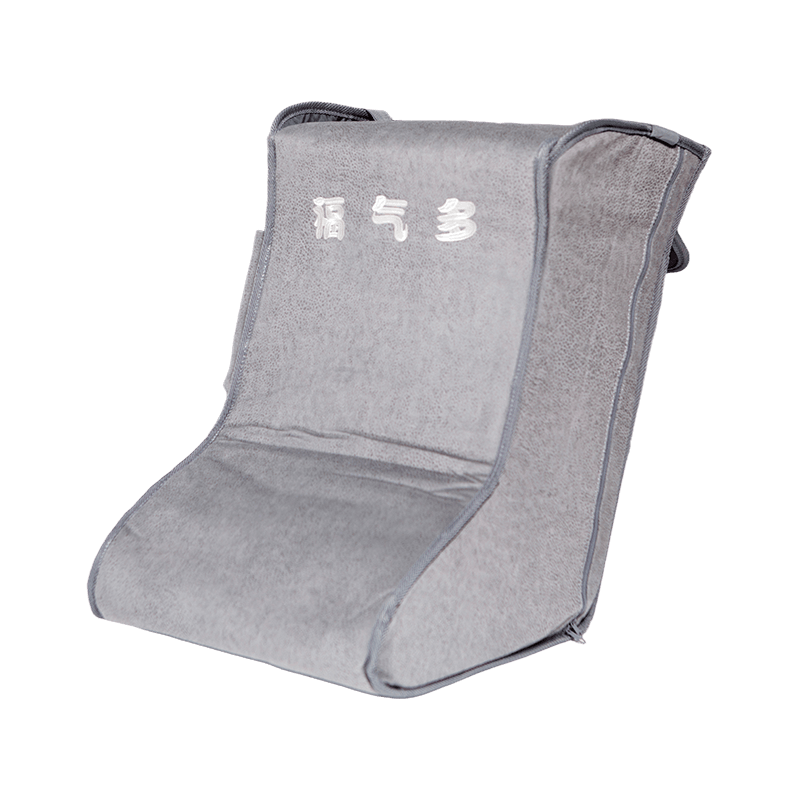
Heating Technologies: Carbon Fiber and Electric Elements
Modern foot warmers employ two primary heating technologies. Carbon fiber heating elements provide rapid response times, reaching operating temperatures within 30 to 60 seconds while distributing heat evenly across the foot surface. These flexible elements integrate into fabric designs including heated socks, insoles, and mat-style warmers, offering lightweight solutions for mobile applications. Carbon fiber systems typically operate at lower wattages of 5 to 10 watts for battery-powered wearable options and 60 to 200 watts for plug-in mat configurations.
Traditional electric heating elements utilize metal alloy wires or ceramic components embedded within insulated mats or pocket-style warmers. These systems deliver consistent radiant heat with surface temperatures ranging from 95°F to 160°F depending on model specifications. Infrared radiant panels represent an advanced variant, operating at surface temperatures around 70°C while maintaining safe touch temperatures through indirect heating mechanisms. The 165-watt flat panel designs provide space-efficient solutions for under-desk applications without exposed heating elements.
Heat Distribution and Coverage Patterns
Foot warmer designs vary significantly in coverage area and heat distribution methodology. Flat mat designs primarily warm the sole of the foot through direct contact conduction, with dimensions typically ranging from 16.5 x 16.5 inches to 40 x 60 centimeters. Three-dimensional surround designs incorporating 3-sided or 4-sided heating panels create enclosed thermal environments that warm feet, ankles, and lower legs simultaneously. Pocket-style warmers with teddy fleece or flannel linings trap heat around the entire foot surface, providing more comprehensive warmth than flat mat alternatives.
Intelligent Temperature Control Systems
Advanced temperature control systems distinguish modern energy-saving foot warmers from basic heating pads. Multi-level thermostats typically offer 3 to 8 preset temperature settings, allowing users to select optimal warmth levels from 95°F on low settings to 149°F on maximum output. Digital displays provide precise temperature monitoring and adjustment, while analog dial controls offer simpler operation for users preferring tactile feedback.
Smart control systems incorporate programmable timers with automatic shutoff functions ranging from 0.5 to 8 hours, preventing unnecessary energy consumption and enhancing safety. WiFi-enabled models connect to smartphone applications enabling remote operation, 7-day scheduling, and integration with voice assistants such as Amazon Alexa and Google Assistant. These intelligent systems learn usage patterns and can pre-heat before scheduled use times, optimizing both comfort and energy efficiency.
| Feature | Basic Models | Advanced Models | Smart Models |
|---|---|---|---|
| Temperature Settings | 3 levels | 6-8 levels | Continuous adjustment |
| Timer Range | 2-4 hours | 0.5-8 hours | Programmable 7-day |
| Control Interface | Manual switch | Digital display | Smartphone app |
| Power Consumption | 100-150W | 60-200W | 70-220W |
Energy Efficiency and Operating Economics
The energy efficiency advantage of temperature-controlled foot warmers stems from targeted heating rather than ambient air warming. A typical 105-watt foot warmer operating for 8 hours consumes 0.84 kilowatt-hours, costing approximately $0.12 per day at average electricity rates of $0.14 per kilowatt-hour. This represents monthly operating costs of $3.50 compared to $50 per month for a 1500-watt space heater providing equivalent personal comfort.
The efficiency mechanism involves multiple factors. Direct conduction from heated surfaces to skin eliminates energy losses associated with heating and circulating air. Thermal mass within the foot warmer materials stores heat and releases it gradually, allowing heating elements to cycle off for significant periods while maintaining comfort. Under-desk placement creates a semi-enclosed microclimate where a 105-watt device can raise local temperature by 15 to 20°F above ambient room conditions.
Thermostat Cycling and Duty Cycles
Intelligent thermostats optimize energy consumption through cycling patterns. Once reaching set temperature, heating elements typically cycle on for 45 seconds and off for 90 seconds, resulting in active power consumption only 40% of operating time despite continuous warmth delivery. This duty cycle reduces actual energy consumption below rated wattage specifications. Temperature sensors embedded near heating elements monitor surface conditions and adjust power delivery to maintain consistent warmth without overheating.
Safety Systems and Protection Mechanisms
Comprehensive safety systems distinguish quality temperature-controlled foot warmers from basic heating devices. Overheat protection incorporates primary thermostats that cycle power at preset temperature thresholds and secondary thermal fuses that permanently disconnect power if internal temperatures exceed safe limits of 185°F to 200°F. This redundant protection ensures safe operation even in the event of primary control system failure.
Automatic shutoff timers prevent extended operation beyond safe durations, with standard settings ranging from 2 to 4 hours and advanced models offering adjustable timing up to 8 hours. Tip-over protection utilizes accelerometers or mechanical switches to disconnect power if the device tilts beyond 45 degrees, preventing contact with combustible materials. Fire-resistant outer materials and low surface temperature designs maintain external temperatures below burn thresholds while internal heating elements operate at higher temperatures.
Certification and Compliance Standards
Reputable foot warmer manufacturers obtain safety certifications including ETL, UL, CE, and ROHS markings verifying compliance with electrical safety and material standards. These certifications indicate independent testing of thermal protection systems, electrical insulation, and fire-resistant materials. Office environments often prohibit space heaters while specifically permitting ETL-certified foot warmers under 150 watts due to their superior safety profiles and lower fire risks.
Application Environments and Use Cases
Temperature-controlled foot warmers serve diverse application environments with specific requirements. Office and workplace applications benefit from silent operation, compact under-desk dimensions, and energy efficiency that reduces facility heating costs. Studies demonstrate that providing personal foot warmers enables reduction of room heating setpoints from 70°F to 66°F while maintaining equivalent thermal comfort, resulting in heating energy savings of 38% to 75% depending on outdoor conditions and building characteristics.
Home applications prioritize comfort features including soft fleece linings, washable covers, and multiple heat settings for family members with varying temperature preferences. Elderly users and individuals with circulation issues benefit from consistent warmth that promotes blood flow to extremities, though diabetic users should consult medical professionals due to potential neuropathy risks affecting temperature sensation. Travel and portable applications favor foldable designs, USB-powered options compatible with power banks, and lightweight constructions suitable for luggage transport.
Material Construction and Comfort Features
Outer materials for foot warmers balance durability, thermal retention, and comfort. Polyester and suede fabrics provide water resistance and easy cleaning while maintaining soft textures against skin. Inner linings utilize teddy fleece, flannel, or plush materials that trap heat and provide cushioning. Removable and washable covers extend product lifespan while maintaining hygiene standards for shared or long-term use.
Structural designs accommodate various usage patterns. Flat mat configurations suit users who prefer resting feet on a heated surface while wearing shoes or socks. Pocket-style designs with enclosed tops provide comprehensive warmth for bare feet or slipper-clad use. Three-dimensional tent or box designs create enclosed thermal environments maximizing heat retention while allowing leg movement. Foldable and portable designs prioritize storage efficiency and transport convenience for users requiring mobility between locations.
Selection Criteria and Procurement Guidance
Selecting appropriate temperature-controlled foot warmers requires evaluation of power source availability, usage environment, and individual comfort requirements. Plug-in models delivering 100 to 220 watts provide maximum heat output suitable for cold office environments or home use with accessible electrical outlets. USB-powered options drawing 5 to 10 watts offer portability compatible with computer ports, power banks, and vehicle adapters, though with reduced heat output suitable for mild cold conditions or supplemental warming.
Temperature range requirements vary by user preference and environmental conditions. Standard models offering 3 heat settings from 95°F to 140°F satisfy most users, while advanced models with 8 levels extending to 149°F accommodate users requiring intense warmth or operating in drafty environments. Timer functionality should match usage patterns, with 4-hour automatic shutoff suitable for standard workdays and adjustable timers benefiting users with variable schedules.
Maintenance and Longevity Considerations
Proper maintenance extends foot warmer lifespan and ensures consistent performance. Removable covers should be washed according to manufacturer specifications, typically requiring gentle cycles and air drying to prevent shrinkage or damage to heating element connections. Non-removable surfaces require spot cleaning with damp cloths and mild detergents, avoiding saturation that could compromise electrical components.
Storage practices impact long-term durability. Foldable models should be stored in dry conditions avoiding sharp creases that could damage heating elements. Devices should be unplugged when not in use for extended periods, and periodic inspection of cords and connections prevents safety hazards. Quality foot warmers with proper maintenance typically provide 3 to 5 years of reliable service, with heating element longevity exceeding cover material lifespan in most designs.
 View More
- +86 188 5837 6736
- [email protected]
- 576 Yunsi West Road, Dayun Town, Jiashan County, Jiaxing City, Zhejiang Province
- Temperature Control Energy Pad
- Temperature-Controlled Energy Cushion
- Temperature Control Energy Belt
- Temperature Control Energy Abdominal Pad
- Temperature-Controlled Energy-Saving Cervical Pillow
- Temperature-Controlled Energy-Saving Lumbar Pillow
- Temperature Control Energy Spinal Pillow
- Electric Cloak (Shoulder And Neck Vest)
- Temperature-Controlled Energy Knee Pads
- Temperature-Controlled Energy-Saving Foot Warmer
- Temperature Control Energy Mattress
- Temperature Control Mattress
Copyright © Jiaxing Fuqiduo Thermal Bed Co., Ltd. All rights reserved.
Wholesale Therapeutic Mattresses Company
 The information provided on this website is intended for use only in countries and jurisdictions outside of the People's Republic of China.