
 EN
EN
 English
 Español
 عربى
عربى

Temperature Control Jade Energy Pad: How It Works & Buying Guide
Jul 01,2026
Content
What a Temperature Control Jade Energy Pad Is
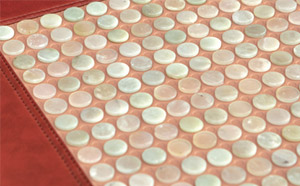
A temperature control jade energy pad is a heated mat embedded with natural or tumbled jade stones, connected to an electric heating element and a control unit that lets the user set and hold a specific surface temperature. Unlike a basic electric heating pad, the stone layer distributes heat more evenly and retains warmth longer after the heater cycles off, giving a steadier, more consistent surface temperature over a session.
These pads are typically used for localized warmth on the back, neck, or joints, and are common in both home wellness routines and professional spa or massage settings.
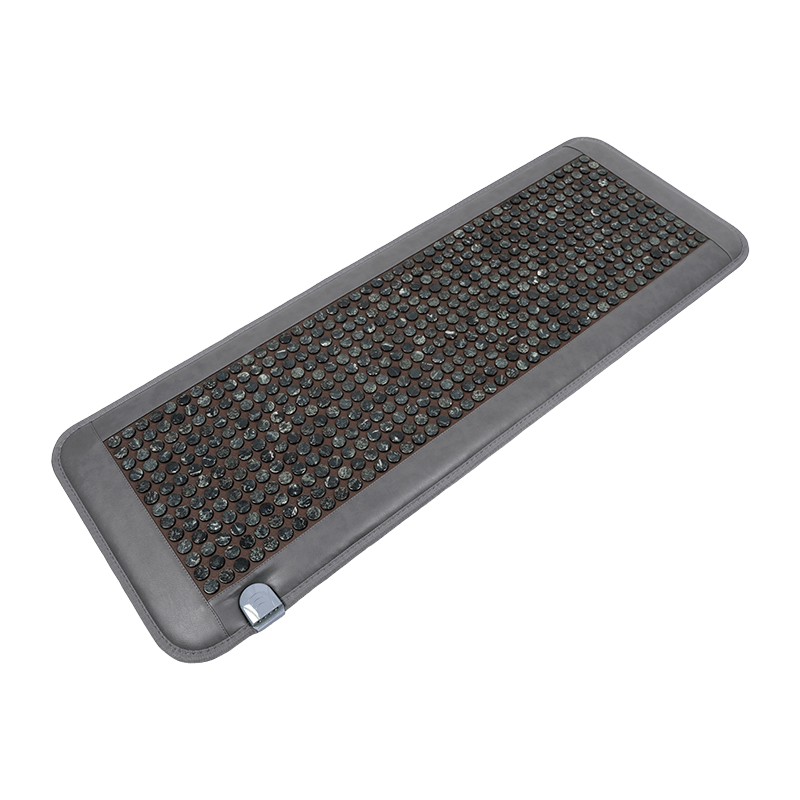
How the Heating and Temperature Control System Works
- Heating wire layer: A resistive heating element runs beneath the jade stones, warming them gradually rather than heating the surface directly.
- Temperature sensor and controller: A built-in thermostat monitors surface temperature and cycles the heater on and off to hold the setting steady, rather than heating continuously.
- Digital or dial control unit: Lets the user select a target temperature, and on higher-end models, set a timer for automatic shutoff.
- Insulated base layer: Directs heat upward toward the body rather than losing it through the underside of the pad.
The stone layer itself acts as a thermal buffer — because jade holds heat well, the surface temperature fluctuates less between heater cycles than it would on a stoneless electric pad, which is part of why these pads are described as producing steadier warmth.
Jade vs. Other Stone Types Used in Heated Pads
Jade is the most common stone in this product category, but tourmaline and obsidian pads are also on the market. Each has different thermal and physical properties worth knowing before choosing between them.
| Stone Type | Heat Retention | Weight / Feel |
|---|---|---|
| Jade | High, gradual release | Smooth, moderate weight |
| Tourmaline | Moderate, faster response | Lighter, coarser texture |
| Obsidian | High, retains heat longest | Heavier, glassy smooth surface |
Common Use Cases
- Everyday relaxation: Used on the lower back or shoulders during downtime as part of an evening wind-down routine.
- Post-activity muscle soothing: Applied after exercise or long periods of sitting to provide localized warmth to tense muscles.
- Spa and massage settings: Used as a warm-up layer before manual massage or as a standalone treatment surface.
- Cold-weather comfort: Placed on chairs or beds for consistent warmth during colder months.
These pads are a comfort and wellness accessory rather than a medical device, and anyone with a specific health condition should check with a healthcare provider before regular use.
Safety Features Worth Checking
- Auto shutoff timer: Prevents the pad from running continuously for extended, unattended periods.
- Overheat protection: A secondary sensor that cuts power if the surface temperature exceeds a safe threshold.
- Certified wiring and materials: Look for relevant electrical safety certification (such as CE or UL, depending on the target market) on the control unit and power cord.
- Low-EMF heating wire: Some manufacturers use shielded wiring to reduce electromagnetic field emissions during use.
Choosing Size and Heat Settings
Pad size should match intended use: smaller mats (roughly 15-20 inches) work well for targeted areas like the neck or lower back, while full-body mats extend coverage for lying down flat during longer sessions. Multi-level temperature control (typically ranging from low, around 40°C, to high, around 70°C) gives more flexibility than fixed single-setting pads, and a digital display makes it easier to maintain a consistent, repeatable setting session to session.
Maintenance and Longevity Tips
- Wipe the stone surface with a soft, slightly damp cloth rather than soaking or submerging the pad, since the heating element and wiring are not designed for water exposure.
- Store the pad flat or loosely rolled to avoid stressing the stone-to-fabric bonding over time.
- Inspect the power cord periodically for fraying, especially near the connection point to the control unit.
What to Check Before Buying
- Confirm whether the stones are natural jade, dyed, or a composite blend, since this affects both price and heat retention performance.
- Check the warranty period on the heating element specifically, not just the overall product warranty.
- Ask about voltage compatibility if purchasing for use in a different country than the manufacturer's home market.
 View More
- +86 188 5837 6736
- [email protected]
- 576 Yunsi West Road, Dayun Town, Jiashan County, Jiaxing City, Zhejiang Province
- Temperature Control Energy Pad
- Temperature-Controlled Energy Cushion
- Temperature Control Energy Belt
- Temperature Control Energy Abdominal Pad
- Temperature-Controlled Energy-Saving Cervical Pillow
- Temperature-Controlled Energy-Saving Lumbar Pillow
- Temperature Control Energy Spinal Pillow
- Electric Cloak (Shoulder And Neck Vest)
- Temperature-Controlled Energy Knee Pads
- Temperature-Controlled Energy-Saving Foot Warmer
- Temperature Control Energy Mattress
- Temperature Control Mattress
Copyright © Jiaxing Fuqiduo Thermal Bed Co., Ltd. All rights reserved.
Wholesale Therapeutic Mattresses Company
 The information provided on this website is intended for use only in countries and jurisdictions outside of the People's Republic of China.