
 EN
EN
 English
 Español
 عربى
عربى

Thermal Waist Belt & Temperature Control Abdominal Pad: Buyer's Guide
Apr 29,2026
Content
- 1 Thermal Waist Belts and Temperature Control Abdominal Pads: What the Products Actually Do
- 2 How Temperature Control Technology Works in Modern Heating Belts
- 3 Primary Use Cases: Who Uses Thermal Waist Belts and Abdominal Pads
- 4 Thermal Waist Belt vs. Temperature Control Abdominal Pad: Feature Comparison
- 5 Materials, Construction, and What to Look for in a Quality Product
- 6 Safe Use Guidelines for Thermal Waist Belts and Abdominal Heat Pads
Thermal Waist Belts and Temperature Control Abdominal Pads: What the Products Actually Do
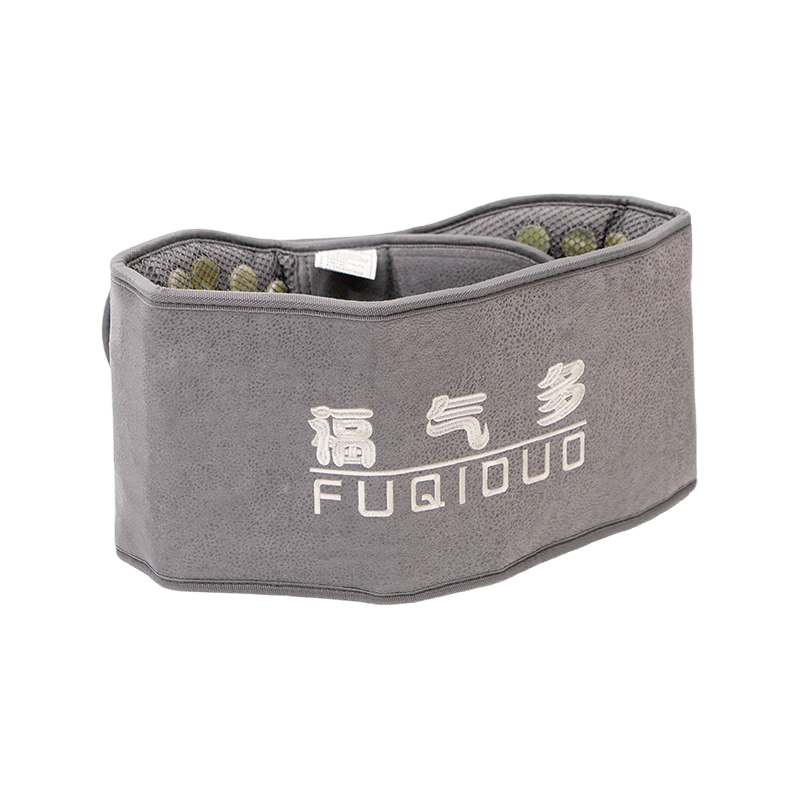
A thermal waist belt is a wearable device worn around the lumbar and abdominal region that delivers sustained, regulated heat to the soft tissue underlying the skin. A temperature control energy abdominal pad is the electronic variant of this category: a flexible heating element embedded in a wrap or pad that allows the user to set a precise target temperature and maintain it automatically, rather than relying on passive heat retention from materials alone. Both products address the same core need — controlled warmth applied directly to the core — but differ substantially in how precisely that warmth is managed and for how long it can be sustained.
The clinical rationale for applying heat to the abdominal and lumbar region is well established. Superficial heat at 40–45°C increases local tissue temperature to a depth of 1–2 cm, causing vasodilation, reduced muscle spindle firing rate, and decreased viscosity of connective tissue — effects that collectively reduce perceived pain intensity and improve passive range of motion. For menstrual cramp relief specifically, heat at 40°C has been shown in controlled trials to match the analgesic effect of ibuprofen 400 mg during the first treatment hour, making temperature-controlled abdominal pads a non-pharmacological option with a documented evidence base.
How Temperature Control Technology Works in Modern Heating Belts
Entry-level thermal waist belts use resistive heating elements — carbon fibre ribbons, graphene films, or metallic wire — powered by a battery pack or USB source, with a fixed output level controlled only by a simple on/off or low/medium/high switch. The actual skin-contact temperature in these products is not regulated; it rises with ambient temperature, contact pressure, and cumulative exposure time, meaning the user may receive substantially more heat than intended if the belt is worn for extended periods under clothing.
Temperature control energy abdominal pads incorporate a feedback loop: a thermistor or NTC (negative temperature coefficient) sensor embedded near the heating element continuously reads surface temperature and reports to a microcontroller, which modulates power delivery — typically via PWM (pulse-width modulation) — to maintain the setpoint within ±1–2°C. The practical difference in user experience is significant:
- Consistent therapeutic temperature throughout the session, regardless of whether the user is seated, moving, or lying down
- Automatic shutdown or step-down if sensor temperature exceeds the safety ceiling (typically 50–55°C surface limit), preventing burns during sleep use or when the belt shifts position
- Predictable battery life because power draw is proportional to heat loss rather than running at maximum output continuously
- Multiple selectable setpoints (commonly 38°C, 42°C, 46°C, and 50°C) allowing the user to match heat intensity to the specific application — gentle warming for menstrual discomfort, higher intensity for post-exercise muscle recovery
Higher-end models integrate graphene composite heating films, which offer more uniform heat distribution across the pad surface compared to wire-based elements that create hotspot gradients between wire runs. Graphene films also respond to power changes faster — reaching setpoint in 15–30 seconds versus 60–90 seconds for wire-based systems — which matters for users who want immediate relief rather than a gradual warm-up.
Primary Use Cases: Who Uses Thermal Waist Belts and Abdominal Pads
The thermal waist belt and temperature control abdominal pad market is driven by several distinct user groups with partially overlapping but distinct product requirements:
Menstrual Pain Relief
This is the largest single use case by volume. An estimated 45–95% of menstruating women experience dysmenorrhea, and heat is one of the most consistently recommended first-line non-drug interventions in clinical guidelines from OB/GYN societies in both Europe and North America. Users in this segment prioritize thin profile for discreet wear under clothing, quiet operation, and cordless battery-powered designs that allow normal daily activity during treatment.
Lower Back and Lumbar Pain Management
Chronic low back pain affects approximately 8% of the global adult population at any given time, and heat therapy is listed as a Grade B recommendation in the American College of Physicians' guidelines for non-specific acute low back pain. Users managing lumbar pain typically want broader coverage wrapping from the iliac crest to the lower thoracic region, higher maximum temperature settings, and longer session duration than menstrual users — driving demand for larger belt dimensions and higher-capacity battery packs.
Post-Exercise Muscle Recovery
Athletes and fitness users apply abdominal heat pads after core or lumbar training to accelerate recovery by increasing local blood flow and reducing delayed-onset muscle soreness (DOMS). This segment tends to use higher temperature setpoints (44–50°C) for shorter sessions (20–30 minutes) and prioritizes washable, sweat-resistant materials and secure fastening systems that remain in place during light post-workout movement.
Gastrointestinal Comfort and Cold Sensitivity
A growing segment uses abdominal heat pads for irritable bowel syndrome (IBS) symptom management, general abdominal cramping, and for individuals with cold sensitivity — particularly in colder climates — who wear thermal wraps as core warmth aids throughout the day rather than for acute pain relief. These users prioritize long battery life (4–8 hours), lightweight construction, and low-profile designs compatible with all-day wear.
Thermal Waist Belt vs. Temperature Control Abdominal Pad: Feature Comparison
The two product types overlap in form factor but diverge on the technical features that determine therapeutic precision and user safety. The table below maps the key differentiators relevant to a purchasing decision.
| Feature | Basic Thermal Waist Belt | Temperature Control Energy Abdominal Pad |
|---|---|---|
| Temperature regulation | Fixed power levels (L/M/H) | Closed-loop sensor feedback, ±1–2°C accuracy |
| Heat uniformity | Variable; hotspots possible | High (graphene film); ±3–5°C across surface |
| Overheat protection | Basic thermal fuse only | Active shutdown at configurable limit |
| Typical temperature range | ~38–55°C (uncontrolled) | 38–50°C (selectable setpoints) |
| Time to reach setpoint | 60–120 seconds | 15–45 seconds (graphene) |
| Battery life (typical) | 2–4 hours | 3–8 hours (setpoint-dependent) |
| Sleep-safe use | Not recommended | Yes (with auto-shutoff timer) |
| Typical retail price range | USD 15–40 | USD 35–120 |
Materials, Construction, and What to Look for in a Quality Product
The outer shell and skin-contact layer of a thermal waist belt determine comfort during extended wear as much as the heating element itself. Key material considerations:
- Skin-contact layer: Soft-touch fabrics such as velvet, flannel, or bamboo-cotton blends are preferred for sensitive-skin users and long wear sessions. Neoprene and nylon shells are more durable and water-resistant for sports use but retain more moisture, which can cause skin irritation after 60+ minutes of continuous wear.
- Fastening system: Hook-and-loop (Velcro) closures with wide adjustment ranges (typically 60–130 cm circumference) accommodate different body sizes and allow fine tension adjustment. Elastic-only designs without hook-and-loop tend to shift during active wear and reduce skin contact uniformity.
- Controller and cable routing: Controllers mounted centrally at the front add bulk that prints visibly under fitted clothing. Side-mounted or rear-mounted controller pockets with flat-flex cable connections to the heating element produce a lower profile for discreet daily use.
- Washability: Detachable controller and battery packs with IPX2 or higher-rated heating elements allow machine washing of the fabric shell, which is a practical necessity for daily-use products. Products rated only spot-clean accumulate skin oils and require frequent replacement.
- Battery capacity and charging standard: 3,000–5,000 mAh lithium polymer batteries via USB-C are now the baseline for portable abdominal pads; products still using Micro-USB or proprietary charging cables impose unnecessary inconvenience given that USB-C has become universal.
Safe Use Guidelines for Thermal Waist Belts and Abdominal Heat Pads
Heat therapy to the abdominal and lumbar region is safe for the vast majority of users when applied correctly, but several precautions reduce the small risk of skin burns or complications:
- Do not exceed 20–30 minutes per session at temperatures above 44°C on bare skin without a fabric barrier. Sessions longer than 30 minutes at high settings increase the risk of erythema ab igne (heat-induced skin discolouration) with repeated use.
- Use the lowest effective temperature setpoint. For menstrual cramps and general abdominal discomfort, 38–42°C is therapeutically effective and well below the burn threshold. Higher settings are not more effective for this indication — they simply increase risk without added benefit.
- Do not use over broken skin, rashes, recent surgical incisions, or areas with reduced sensation (relevant for diabetic users with peripheral neuropathy, where heat perception is impaired).
- Avoid use during pregnancy without medical advice. Prolonged abdominal heat application above 38.9°C during the first trimester is associated with increased neural tube defect risk in epidemiological studies; thermal waist belts should not be used in the abdominal region during pregnancy without a healthcare provider's guidance.
- Allow the skin to cool completely between sessions. Repeated back-to-back sessions without a cooling interval accumulate cumulative heat dose in the tissue even if each individual session is within safe parameters.
- Check for CE, FCC, or equivalent certification marks confirming that the product has been tested to applicable electrical safety standards (EN 60335-2-17 in Europe covers electrically heated blankets and pads). Uncertified products from unverified sources may lack adequate thermal protection circuitry.
 View More
- +86 188 5837 6736
- [email protected]
- 576 Yunsi West Road, Dayun Town, Jiashan County, Jiaxing City, Zhejiang Province
- Temperature Control Energy Pad
- Temperature-Controlled Energy Cushion
- Temperature Control Energy Belt
- Temperature Control Energy Abdominal Pad
- Temperature-Controlled Energy-Saving Cervical Pillow
- Temperature-Controlled Energy-Saving Lumbar Pillow
- Temperature Control Energy Spinal Pillow
- Electric Cloak (Shoulder And Neck Vest)
- Temperature-Controlled Energy Knee Pads
- Temperature-Controlled Energy-Saving Foot Warmer
- Temperature Control Energy Mattress
- Temperature Control Mattress
Copyright © Jiaxing Fuqiduo Thermal Bed Co., Ltd. All rights reserved.
Wholesale Therapeutic Mattresses Company
 The information provided on this website is intended for use only in countries and jurisdictions outside of the People's Republic of China.